Packer in Well Completion- Functions, Types & How to Select the Right One
Packers are installed in nearly every cased-hole completion worldwide, yet the packer in well completion remains one of the most consequential pieces of downhole hardware to understand. For anyone just trying to understand the basics, the packer is the component that makes controlled production possible by sealing the space between the tubing and the casing.
Packers are installed in nearly every cased-hole completion worldwide, yet the packer in well completion remains one of the most consequential pieces of downhole hardware to understand. For anyone just trying to understand the basics, the packer is the component that makes controlled production possible by sealing the space between the tubing and the casing.
This guide explains what a packer is, the four parts it is built from, what it does, the main types, and how engineers set and select one. It is written to build working knowledge, the kind that lets a junior engineer discuss completions confidently with a team or a vendor.
KEY ANSWER A packer in well completion is a downhole tool that seals the annular space between the production tubing and the casing, isolating zones and directing reservoir fluids up the tubing. It protects the casing from pressure and corrosion, anchors the tubing string, and is a standard component of nearly every cased-hole completion. |
What Is a Packer? Anatomy of the Tool
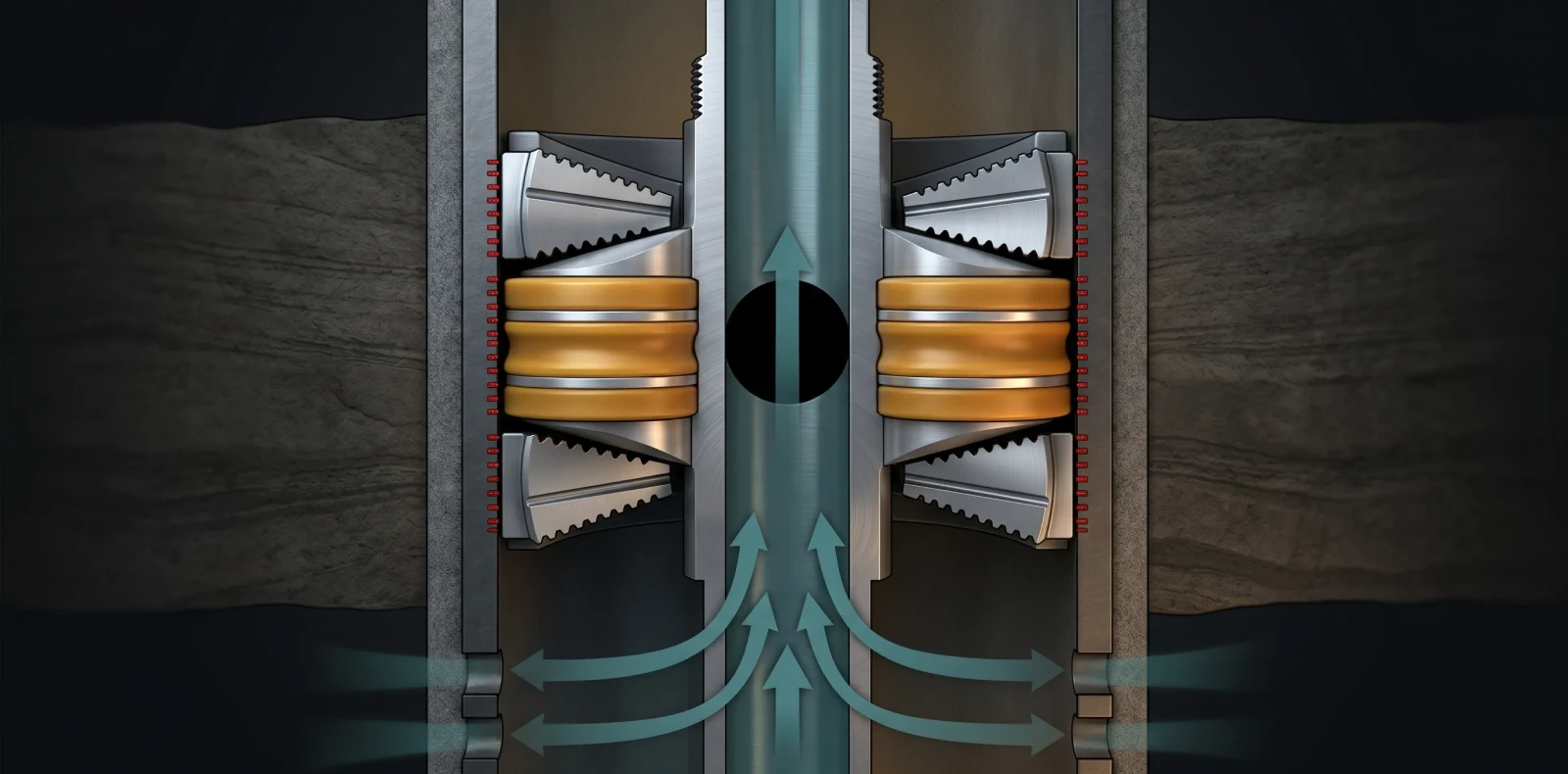
A packer is a downhole tool set inside the casing, usually just above the perforations or sand screens, to seal the annulus between the production tubing and the casing wall. It is standard completion hardware: the production packer is the canonical example that ranks across the industry's reference sources.
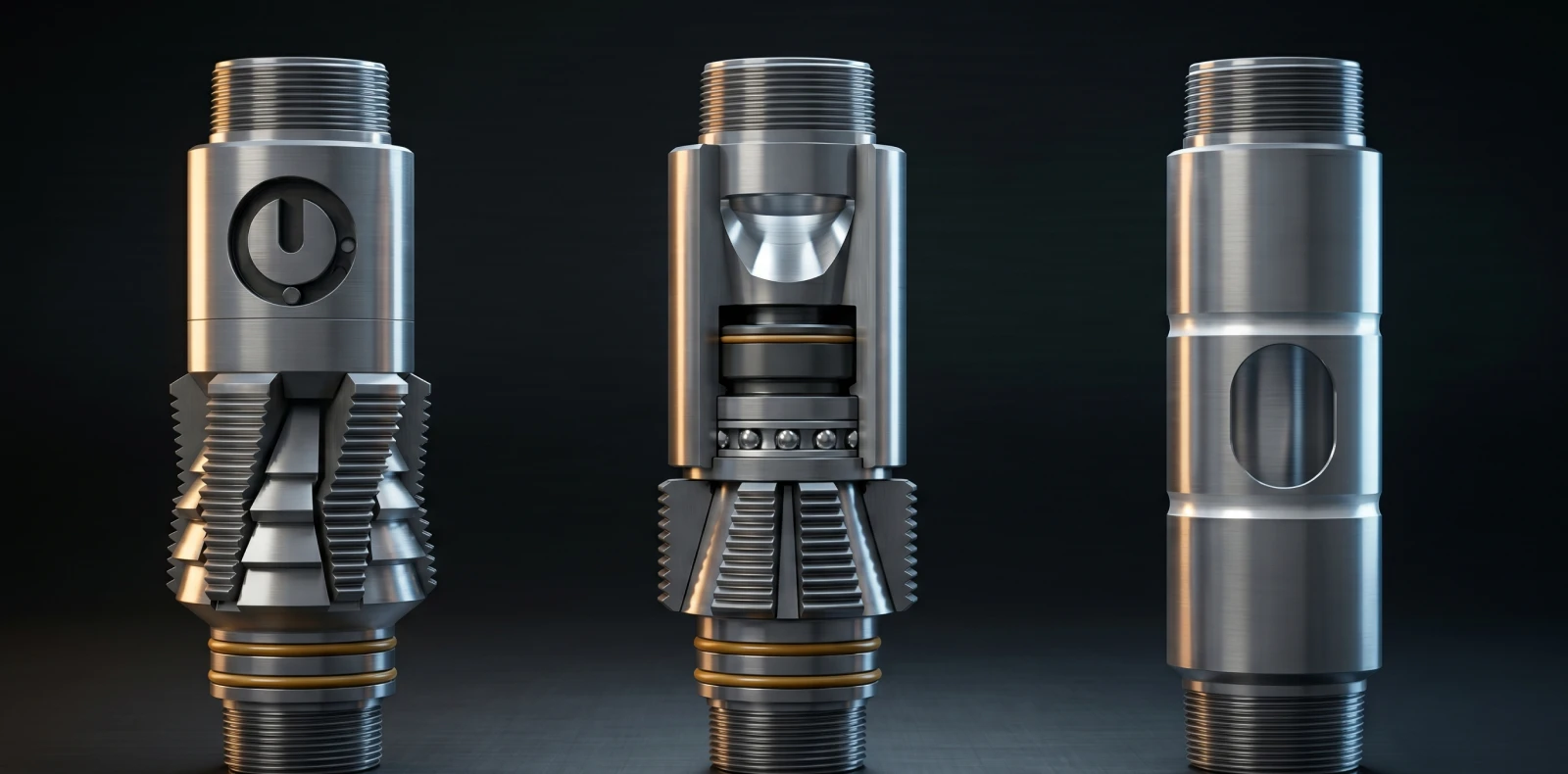
The tool is built from four core parts. The mandrel is the central steel tube that carries both fluid flow and structural load. Slips are carburized metal wedges that bite into the casing wall to anchor the tool. Cones are tapered pieces that ramp the slips outward when load is applied. The packing element is the rubber that expands to form the seal.
Setting a packer applies axial load that pushes the slips up the cone ramp and compresses the packing element outward against the casing. Above roughly 5,000 psi, metal backup rings sit behind the element to stop the rubber extruding under pressure.
What a Packer Does: Functions in Oil and Gas Wells
The reason packers in oil and gas wells are nearly universal comes down to one job done well: the pressure-tight seal between tubing and casing forces production to flow up the tubing rather than the annulus. When you need to explain this to non-technical stakeholders, that single sentence is the whole point of the tool.
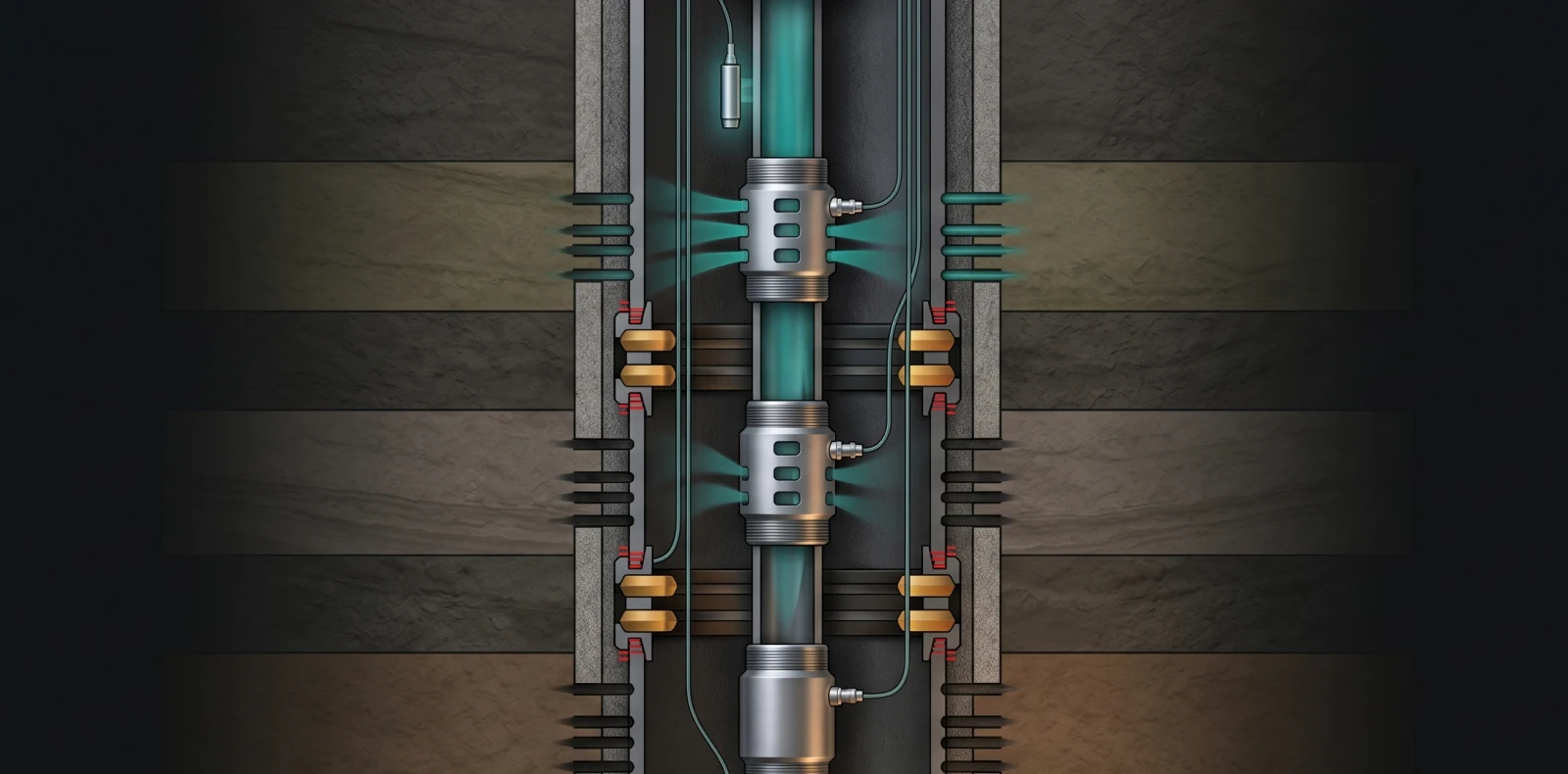
Once the annulus is sealed, the rest of the packer's functions follow. It isolates multiple producing zones so they can be managed separately, protects the casing from corrosive fluids and high pressure, anchors the tubing against axial tension and compression, holds packer fluids in the annulus, and provides the platform for artificial lift and subsurface safety systems.
| Function | What it does | Why it matters |
|---|---|---|
| Seal the annulus | Closes the tubing-casing gap | Forces production up the tubing, not the annulus |
| Zonal isolation | Separates producing intervals | Allows each zone to be managed independently |
| Casing protection | Shields casing from fluids/pressure | Extends casing life, prevents corrosion damage |
| Tubing anchoring | Resists axial tension/compression | Holds the string stable against downhole loads |
| Fluid holding | Retains packer fluids in annulus | Maintains hydrostatic balance and corrosion control |
| Lift / safety platform | Supports artificial lift and SSSVs | Enables flow assurance and well control |
Not every completion runs a packer. Where the annulus itself is used as a production conduit, the well may be completed without one, but those cases are the exception rather than the rule.
Types of Packers: An Overview
Packers are grouped two ways. By service life: production packers stay in the well for the life of the completion, while service packers are temporary tools used for cementing, acidizing, fracturing, and well testing. By retrievability: permanent packers are milled or drilled out to remove, while retrievable packers can be unset and pulled.
The trade-off is straightforward. Permanent packers offer higher pressure and temperature ratings, larger bores, better sealing and gripping, and lower cost, but removing one means a milling run. Retrievable packers unset by tubing manipulation through a shear ring, shifting sleeve, or J-slot and can be reused, at the cost of greater mechanical complexity and generally lower sealing capacity.
| Attribute | Permanent packer | Retrievable packer |
|---|---|---|
| Removal | Milled / drilled out | Unset and pulled by tubing manipulation |
| Pressure / temp rating | Higher | Lower |
| Bore size | Larger | Smaller |
| Reusability | Single-use | Reusable |
| Typical use | Long-life production | Wells expecting re-entry / workover |
This overview covers the categories; for a full type-by-type comparison with selection criteria, see the dedicated guide to the types of packers used in well completion.
How Packers Are Set and Selected
There are four main ways to set a packer. Mechanical setting uses tubing weight, tension, or rotation; hydraulic setting drives a piston with tubing pressure; electric-line setting fires a setting tool on wireline; and chemical setting uses a slow-burning charge. The choice often follows depth: shallow wells favor cheaper mechanical tension-set packers, while deep wells beyond about 12,000 ft (3,658 m) favor hydraulic or electric-line permanent packers, because tubing rotation becomes unreliable at depth.
Selection starts from a single rule worth knowing before specifying this equipment: sealing is the prerequisite, and everything else is matched to the well. After confirming the seal requirement, engineers match the packer to pressure, temperature, fluid chemistry, depth, expected well life, and whether re-entry or workover is planned.
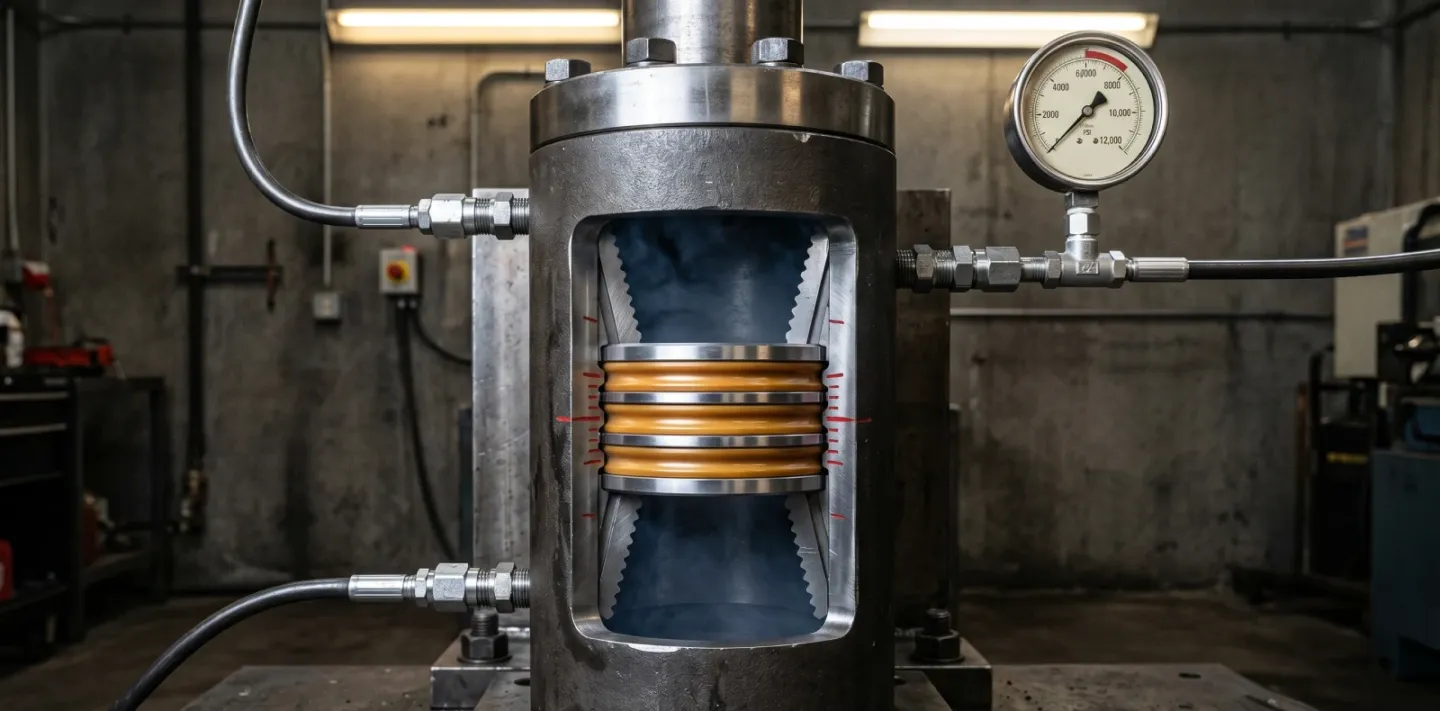
Packer performance is validated under API 11D1 / ISO 14310, which defines validation grades from V6 up to gas-tight V0, where V0 is tested with air or nitrogen and V3 adds a temperature-cycle test. As a benchmark, industry permanent packers rate up to 20,000 psi at 475 deg F (246 C) and retrievable packers up to 15,000 psi at 400 deg F (204 C).
Need expert guidance on the right solution?
Talk to our engineers about your project requirements.
Maximus OIGA Packer Capability
Maximus OIGA is a well completion specialist offering a full range of packer systems, and as an established packer manufacturer it backs that range with an in-house, ISO-certified test facility in Vadodara and a pressure-testing-to-failure protocol.
Certifications are current and verifiable: API Q1, ISO 14310 for packer systems, and ISO 9001, with full traceable documentation supplied on every shipment. The track record spans 200+ packer installations across India, the Middle East, and Southeast Asia.
For specialized service, the SpectraMax line includes heavy-duty, high-temperature cup and swab-cup packers alongside the standard production and service range, so the same manufacturer can cover both routine and demanding completions.
Common Misconceptions
Myth: all packers are permanent. Reality: packers split into production versus service and permanent versus retrievable, and retrievable packers are pulled without any milling run.
Myth: a packer is the same as a bridge plug. Reality: a packer seals the annulus while keeping the bore open for production, whereas a bridge plug seals the entire wellbore cross-section with no flow path through it.
Myth: one packer type fits any well. Reality: the setting method and the pressure-temperature rating are matched to depth, pressure, temperature, fluid, and whether the well will be re-entered.
Frequently Asked Questions
What is a packer in well completion?
A packer in well completion is a downhole tool that seals the annular space between the production tubing and the casing or wellbore, isolating zones and directing fluid up the tubing. It is standard completion hardware, usually set just above the perforations or sand screens. The packer also protects the casing from pressure and corrosive fluids and anchors the tubing string against downhole loads.
What is the role of a packer in a well?
The primary role of a packer is to provide a pressure-tight seal between the tubing and the casing so production flows up the tubing rather than the annulus. From that seal, the packer also isolates multiple zones, protects the casing, anchors the tubing against axial loads, holds packer fluids in the annulus, and provides a platform for artificial lift and subsurface safety control. Sealing is the prerequisite; the other functions follow from it.
What is the difference between a permanent and a retrievable packer?
A permanent packer stays in the well and must be milled or drilled out to remove, offering higher pressure and temperature ratings, a larger bore, and better sealing at lower cost. A retrievable packer can be unset and pulled by tubing manipulation through a shear ring, shifting sleeve, or J-slot, and can be reused, though it is more complex and generally has lower sealing capacity. The choice depends on well life, pressure and temperature, and whether re-entry or workover is expected.
What is the difference between a packer and a bridge plug?
A packer seals the tubing-casing annulus while keeping the bore open for production or injection, whereas a bridge plug seals the entire wellbore cross-section to isolate a zone with no flow path through it. In practice, engineers choose a packer for production isolation and a bridge plug for full-bore zone isolation, such as during abandonment or pressure testing.
Next Steps
Understanding the packer in well completion comes down to a few fundamentals: it seals the annulus, it comes in production and service forms, it is permanent or retrievable, and its setting method and rating are matched to the well. With those in hand, the next move is to go a level deeper.
Related Blogs
More Information
Related News & Insights
ISO 14310 & API 11D1 Validation Grades: V6 to V0 Explained
Many engineers assume a higher V-number means a tougher packer. It is the opposite. Under ISO 14310 packer validation grades, the scale runs from V6, the minimum, down to V0, the most demanding gas-tight grade — so a lower number means more severe testing, not less. For anyone just trying to understand the basics, that inversion is where most confusion starts.
June 8, 2026
Intelligent Well Completion: Technologies, Market Trends & Equipment Guide
Imagine adjusting flow from each zone of a multi-zone reservoir in real time, from surface, without ever sending a rig downhole. That is the promise of intelligent well completion, and for an engineer just trying to understand the basics, the concept is more concrete than the marketing suggests once you see how the pieces connect.
June 8, 2026
Oil & Gas Equipment Companies in India: Manufacturer Directory 2026
Navigating India's oilfield equipment landscape is challenging without a comprehensive directory, and procurement teams asking "who are the best manufacturers for this?" often lose weeks to vendor research. This directory profiles the key oil and gas equipment companies in India with verified capabilities, so you can build a qualified shortlist faster.
June 8, 2026
Liner Hanger Types & Selection: Complete Engineering Reference
What type of liner hanger does your well design require? The answer depends on setting depth, liner weight, and whether hydraulic or mechanical actuation suits the hole. For an engineer just trying to understand the basics, the liner hanger types break down into three categories — and knowing how they differ is the first step toward specifying the right one.
June 6, 2026
Swellable Packer Applications- Open Hole, HPHT & Water Shutoff Guide
When an operator needs to isolate an open hole section in a horizontal well without cementing, swellable packer applications offer the most direct route to a reliable annular seal. Across open hole zonal isolation, multistage fracturing, and water shutoff, the swellable packer has become the interventionless tool completion engineers reach for when running cement or mechanical packers is impractical or costly
June 6, 2026
How to Choose an Oilfield Equipment Supplier A Procurement Guide
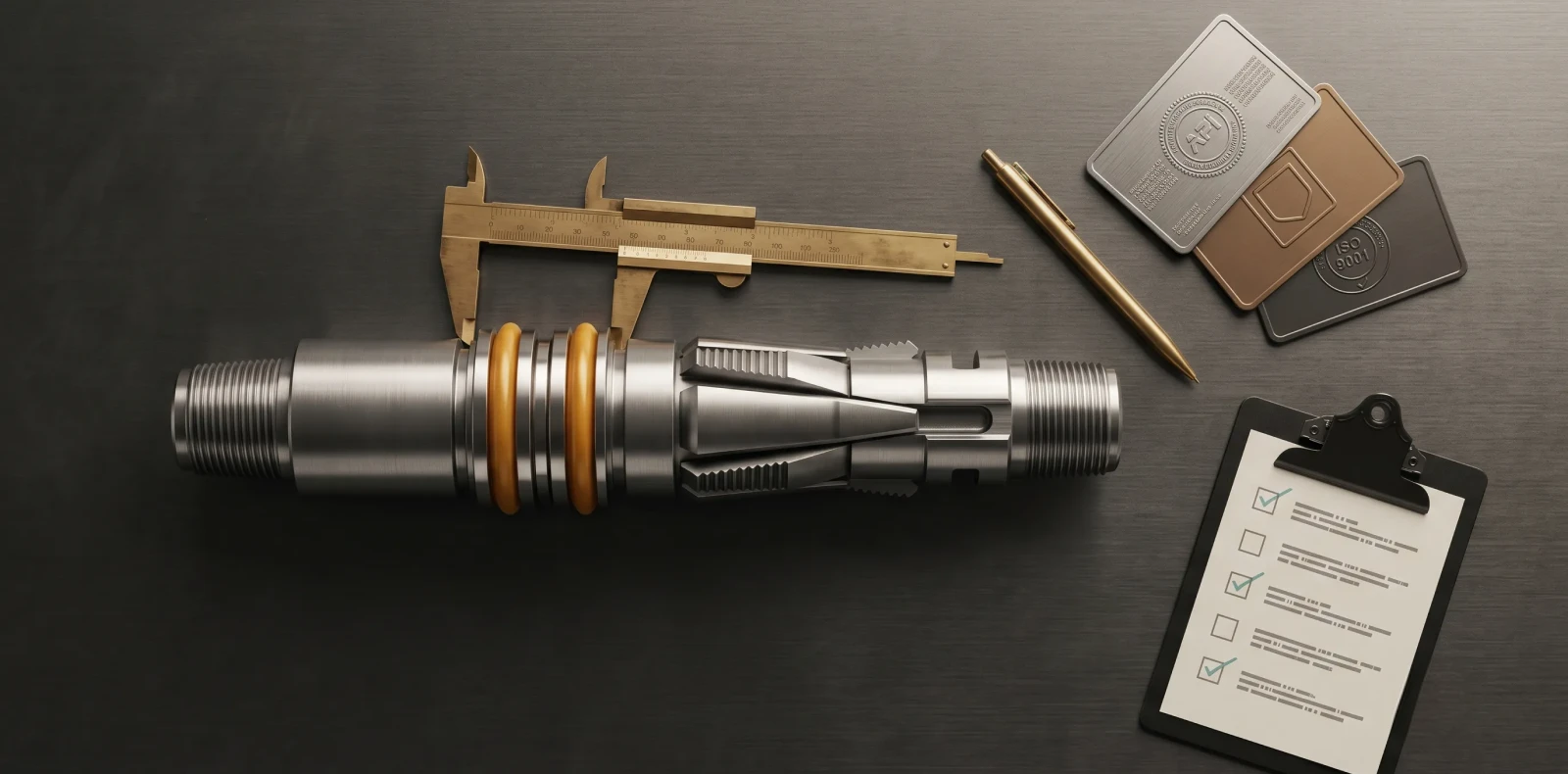
Choosing the wrong oilfield equipment supplier does not just waste procurement budget; it risks downhole failures that cost ten times the equipment price. Knowing how to choose an oilfield equipment supplier means looking past the catalog and the quotation to the evidence that a vendor can actually deliver safety-critical completion equipment. Procurement engineers who get this right treat the decision as risk management, not purchasing
June 6, 2026
Top Downhole Tool Manufacturers & Suppliers 2026 Global Guide
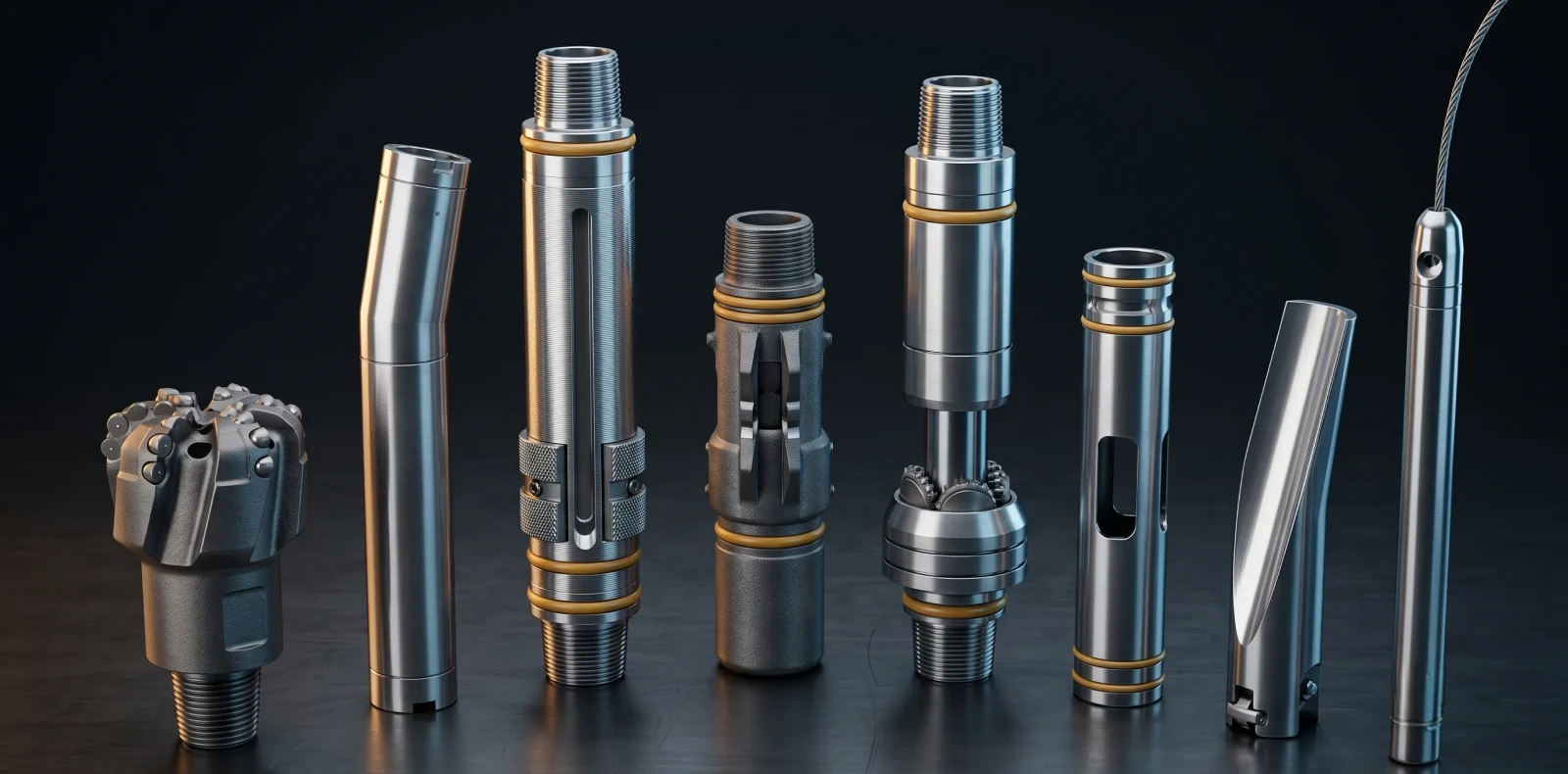
The global downhole tools market exceeds 5 billion US dollars annually, and the list of companies claiming to serve it is far longer than any procurement team has time to vet. This guide narrows the field: it covers how to evaluate a downhole tool manufacturer, then profiles the global majors, the India-based OEMs, and Maximus OIGA — fairly, with real pros and cons, so you can build an RFQ shortlist without months of vendor research.
June 6, 2026
Sliding Sleeve Applications in Well Completion Types & Selection Guide
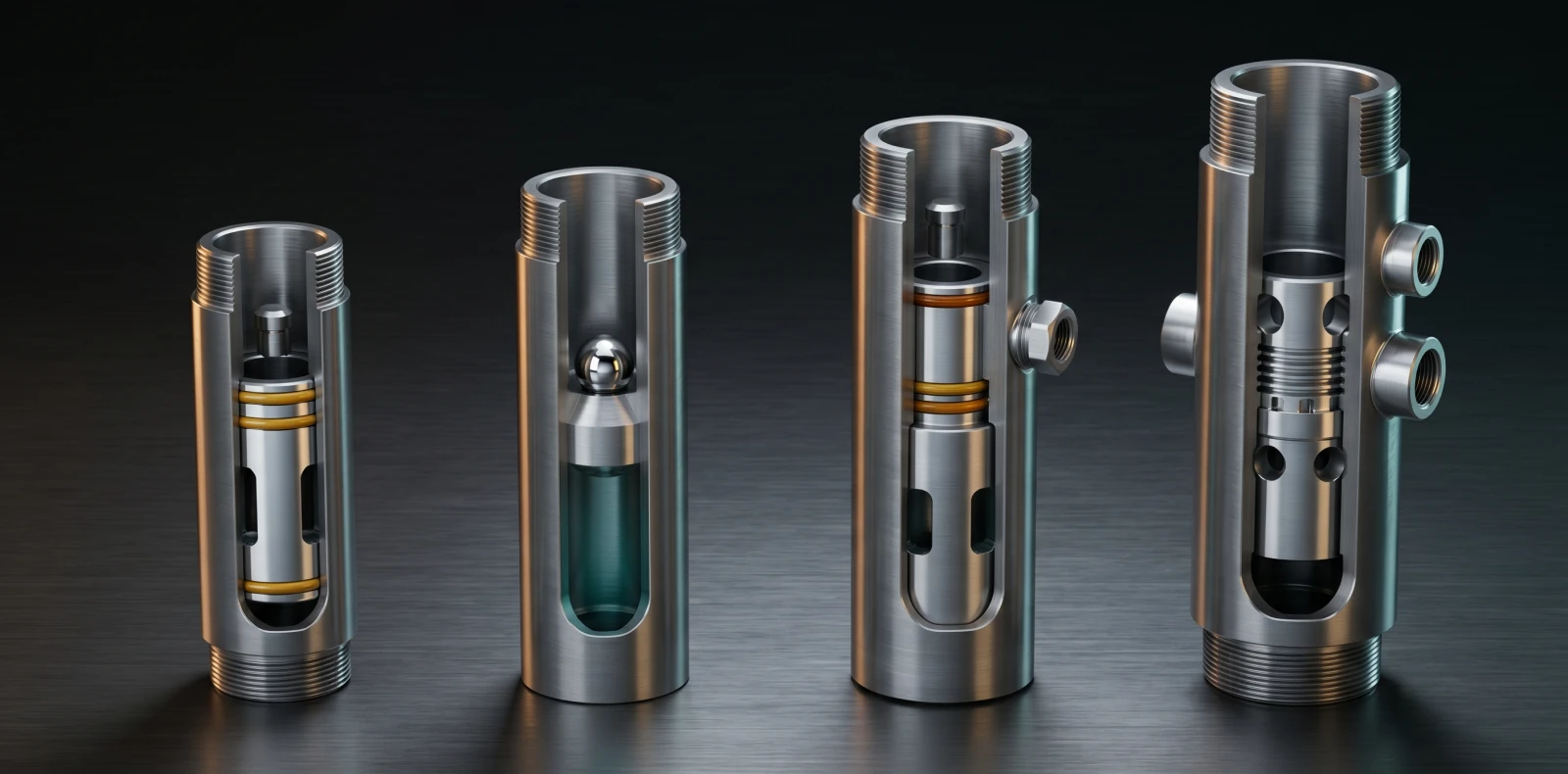
Sliding sleeves have evolved from simple open/close mechanisms into precision multi-zone flow control devices, and understanding their applications is now central to modern well completion design. This guide covers what a sliding sleeve does, the main types, real downhole applications, and how to select the right one — written for engineers trying to understand the basics and go a level deeper, not for a sales pitch.
June 6, 2026
Bridge Plug Setting Procedure Step-by-Step Guide for Wireline Operations
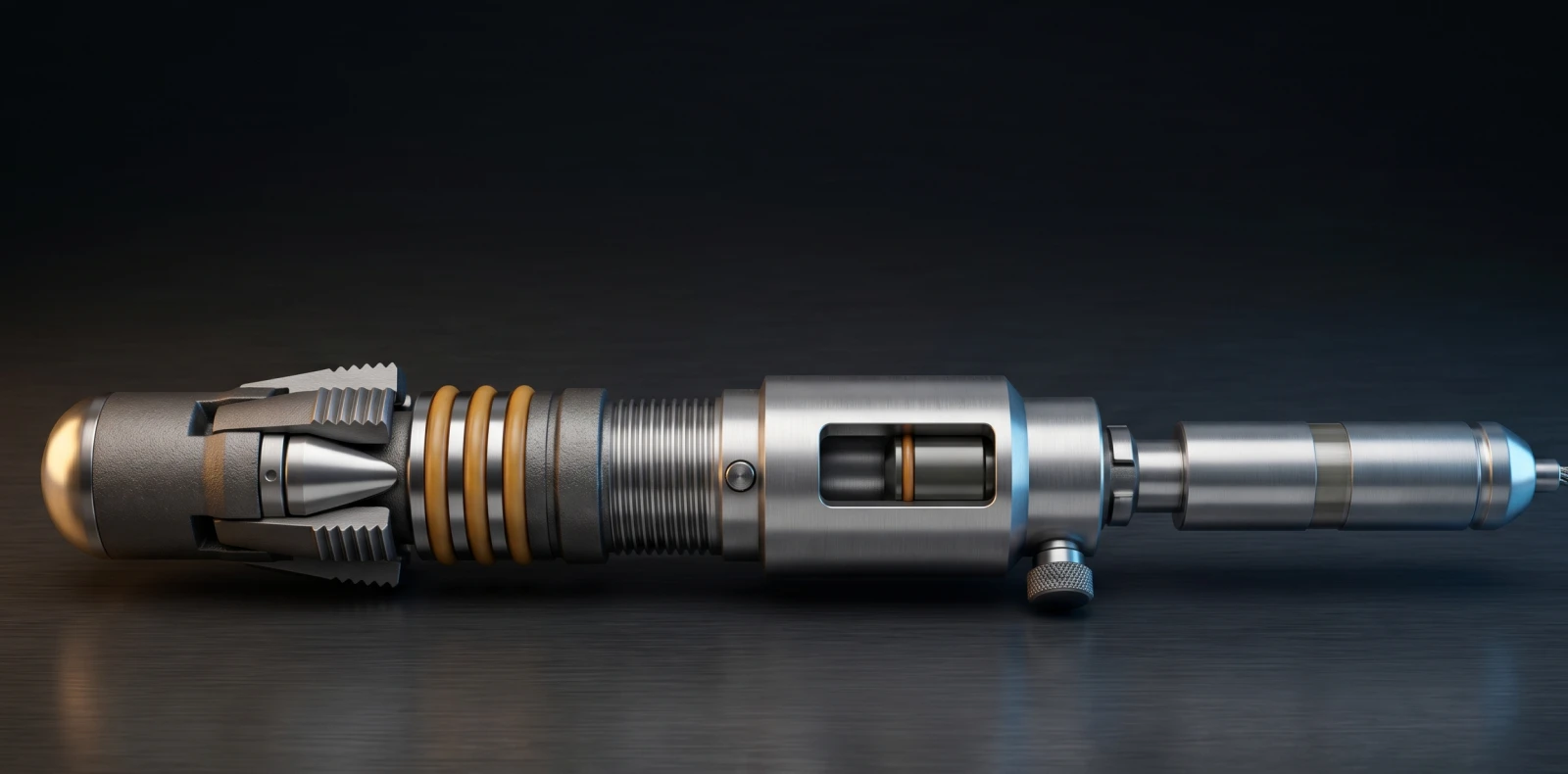
How do you properly set a bridge plug using wireline? This step-by-step procedure covers tool string assembly, depth correlation, setting tool activation, and pressure testing for confirmed well isolation. It is written for field engineers who need the exact sequence right the first time, with 200+ Maximus OIGA installations across India, the Middle East, and Southeast Asia behind it
June 6, 2026

HPHT Completion Equipment: Packer & Tool Selection for Extreme Conditions
HPHT wells operating above 300°F and 10,000 PSI require completion equipment rated 2–3× higher than standard applications, with materials and seal designs qualified for the conjunction of pressure and temperature. HPHT completion equipment refers to the packers, bridge plugs, liner hangers, subsurface safety valves, and flow control accessories validated for those conditions. This guide covers how the industry classifies HPHT wells, which equipment categories belong in an HPHT string, how elastomer and metal-seal selection drives performance, and what API and ISO standards engineers cite when verifying ratings.
May 19, 2026