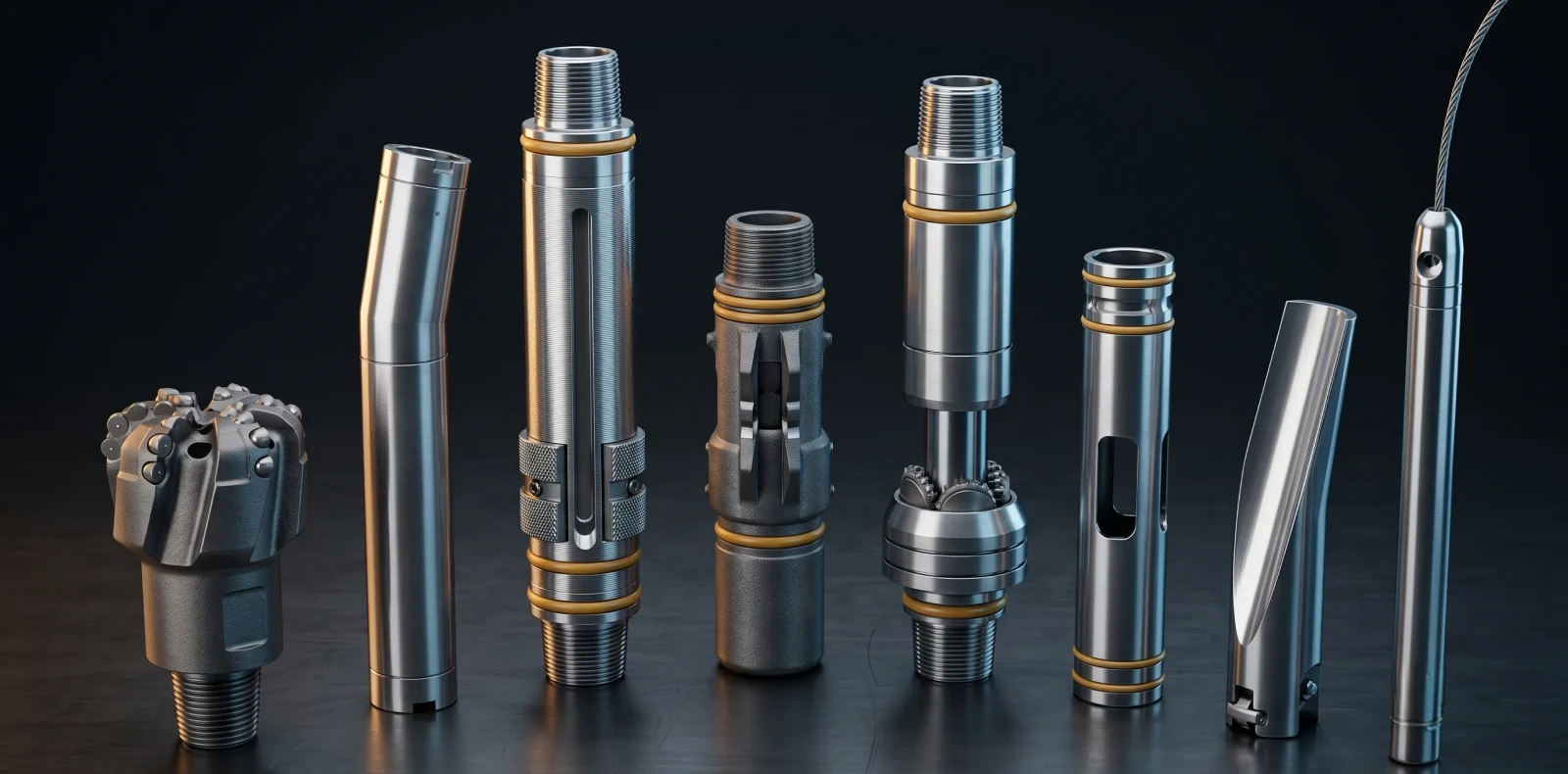
Top Downhole Tool Manufacturers & Suppliers 2026 Global Guide
Published:
The global downhole tools market exceeds 5 billion US dollars annually, and the list of companies claiming to serve it is far longer than any procurement team has time to vet. This guide narrows the field: it covers how to evaluate a downhole tool manufacturer, then profiles the global majors, the India-based OEMs, and Maximus OIGA — fairly, with real pros and cons, so you can build an RFQ shortlist without months of vendor research.
The global downhole tools market exceeds 5 billion US dollars annually, and the list of companies claiming to serve it is far longer than any procurement team has time to vet. This guide narrows the field: it covers how to evaluate a downhole tool manufacturer, then profiles the global majors, the India-based OEMs, and Maximus OIGA — fairly, with real pros and cons, so you can build an RFQ shortlist without months of vendor research.
The global downhole tools market is valued at roughly 5 billion US dollars in 2025 and is forecast to grow at a mid-single-digit CAGR through the early 2030s. Selecting the right manufacturer determines well integrity, tool reliability, and total cost of ownership across drilling, completion, and intervention operations.
How to Evaluate a Downhole Tool Manufacturer
A credible downhole tool manufacturer should hold verifiable API and ISO certifications, operate an in-house testing facility, document a field installation track record, and offer custom engineering support. For completion equipment, API Q1 quality management and ISO 14310 packer validation are the key benchmarks procurement teams should confirm before shortlisting.
Which companies are API certified? Verification is concrete: request the API license or monogram number and check it against the API Composite List, then ask for ISO 9001 and, for completion tools, ISO 14310 certificates. Confirm in-house testing and require material test reports with shipments.
| Evaluation Criterion | What to Confirm |
| Certification | API license number (verify on API Composite List); ISO 9001; ISO 14310 for completion tools |
| Testing capability | In-house test facility; MTR / test certificates supplied with shipments |
| Product range breadth | Coverage across drilling, completion, and intervention tools |
| Installation track record | Documented reference installations for your well type |
| Custom engineering | Ability to engineer to well-specific requirements; lead time and documentation |
Leading Downhole Tool Manufacturers
Schlumberger (SLB)
Overview: The world's largest oilfield services company, with the broadest downhole portfolio of any single supplier.
Range: Drill bits, mud motors, packers, and completion accessories across drilling, completion, and intervention.
Specialization: Technology breadth and integrated digital services.
Pros: Unmatched product range and engineering depth.
Cons / Site: SLB — large-account focus and premium pricing can be a barrier for smaller operators.
Halliburton
Overview: A global major with particular dominance in cementing and completion services.
Range: Drill bits, reamers, and packers, with deep completion-tool coverage.
Specialization: Completion and cementing depth.
Pros: Strong completion engineering and field support footprint.
Cons / Site: Halliburton — enterprise-scale order minimums suit large programs more than one-off purchases.
Baker Hughes
Overview: A diversified energy technology company with a strong intelligent-completion line.
Range: Drilling motors, drill bits, liner hangers, whipstocks, and sliding sleeves.
Specialization: Completion plus intelligent and ICV systems.
Pros: Advanced intelligent-completion technology.
Cons / Site: Baker Hughes — premium pricing positioning.
Weatherford International
Overview: A well intervention, completion, and production specialist.
Range: Intervention and completion tools, including ISO Ultra Extreme HPHT bridge plugs.
Specialization: Well intervention breadth.
Pros: Strong intervention and HPHT completion capability.
Cons / Site:Weatherford — a leaner footprint following post-restructuring consolidation.
NOV Inc.
Overview: A major supplier of downhole drilling and intervention solutions.
Range: Drilling tools and ball-drop sleeves across the downhole spectrum.
Specialization: Drilling-tool depth.
Pros: Deep drilling-tool engineering.
Cons / Site:NOV — portfolio weighted toward drilling rather than completion.
United Drilling Tools Ltd. (UDT)
Overview: An established Indian OEM founded in 1985, based in Noida, supplying ONGC and OIL.
Range: Wireline winches, gas-lift equipment, stabilizers, casing connectors, and downhole tools; 29 trademarks and 18 patents.
Certifications: ISO 9001 / 14001 / 45001 plus API 11V1, 5CT, 7-1, and 5L.
Specialization: Drilling and gas-lift equipment.
Pros: Established, broad-range Indian manufacturer with a long track record.
Cons / Site: United Drilling Tools — drilling and gas-lift focus rather than completion specialism.
Wellcare Oil Tools
Overview: An India-based completion-tool manufacturer in Khushkhera, Rajasthan, with an in-house test well.
Range: Liner hangers, packers, float equipment, stage collars, wireline-set and retrievable bridge plugs, and cement retainers.
Certifications: ISO 9001 / 14001 / OHSAS 18001.
Specialization: Completion-tool range, India-based.
Pros: Broad completion range with in-house testing.
Cons: Narrower certification scope than ISO 14310, and limited published technical content for procurement reference.
Maximus OIGA
Maximus OIGA is an API Q1 and ISO 14310 certified well completion equipment manufacturer based in Vadodara, India, producing packers, bridge plugs, liner hangers, and SpectraMax flow control tools. With over 200 installations across India, the Middle East, and Southeast Asia, it supplies integrated completion strings from a single specialist source rather than tool-by-tool.
Range: Packers (hydraulic, mechanical, thermal, cup, swellable), bridge plugs (cast iron and composite), liner hangers, the SpectraMax flow control line (sliding and circulating sleeves, landing nipples), and downhole tools.
Certifications: API Q1, ISO 14310, and ISO 9001, backed by an in-house test facility at Manjusar, Gujarat.
Specialization: Well-completion specialist — depth over breadth, with the SpectraMax branded line and integrated complete-string supply from one source.
Pros: Matched completion strings from a single specialist; API Q1 + ISO 14310; 200+ installations.
Cons: A newer entrant (founded 2011), India-focused manufacturing, and a completion specialist rather than a drilling-tools generalist.
Procurement teams sourcing a matched completion string can view the Maximus OIGA downhole tools range.
Need expert guidance on the right solution?
Talk to our engineers about your project requirements.
Summary Comparison Table
| Manufacturer | HQ | Certifications | Product Range | Key Differentiator |
| SLB | Global | API / ISO | Full drilling + completion + intervention | Broadest portfolio + tech |
| Halliburton | Global | API / ISO | Cementing, completion, drill bits | Completion + cementing depth |
| Baker Hughes | Global | API / ISO | Liner hangers, sleeves, motors | Intelligent / ICV systems |
| Weatherford | Global | API / ISO | Intervention, completion, HPHT plugs | Intervention + HPHT |
| NOV | Global | API / ISO | Drilling tools, ball-drop sleeves | Drilling-tool depth |
| United Drilling Tools | Noida, India | API + ISO 9001/14001/45001 | Wireline, gas-lift, stabilizers | Established Indian OEM |
| Wellcare Oil Tools | Rajasthan, India | ISO 9001/14001/OHSAS | Liner hangers, packers, plugs | India completion range |
| Maximus OIGA | Vadodara, India | API Q1 + ISO 14310 + ISO 9001 | Packers, plugs, liner hangers, SpectraMax flow control | Integrated completion-string specialist |
Frequently Asked Questions
How do I verify a downhole tool manufacturer's API certification?
Request the API license or monogram number and verify it directly on the API Composite List, which is the authoritative public register. Ask for ISO 9001 and, for completion tools, ISO 14310 certificates covering the specific products you intend to source. Finally, confirm the manufacturer operates in-house testing and will supply material test reports or test certificates with each shipment - certification on paper means little without traceable documentation behind the parts you receive.
What's the difference between a manufacturer and a supplier?
A manufacturer designs and produces the tools in its own facility, while a supplier or distributor resells products made by others. Manufacturers can offer custom engineering, full material traceability, and direct technical support, because they control the design and production process. For critical downhole equipment, sourcing from the manufacturer reduces both quality risk and lead-time risk, since there is no intermediary between the engineering team and the part in your well.
Who are the leading downhole tool manufacturers globally?
The global majors are SLB, Halliburton, Baker Hughes, Weatherford, and NOV, which together hold the largest share of the market, particularly in North America. India-based manufacturers include United Drilling Tools, Wellcare Oil Tools, and Maximus OIGA. The right choice depends on product category-drilling versus completion-and on region, since a drilling-tool generalist and a completion specialist serve different needs.
What questions should I ask a downhole tool manufacturer before an RFQ?
Ask which certifications they hold, what testing capability they operate in-house, and for reference installations relevant to your well type. Confirm lead time, custom engineering capability, material traceability, and the documentation package supplied with delivery. A useful differentiator is whether the manufacturer can supply a matched completion string rather than individual tools, which simplifies compatibility and accountability across the string.
Are Indian downhole tool manufacturers API certified?
Yes - leading Indian manufacturers hold API and ISO certifications. Maximus OIGA holds API Q1 and ISO 14310, and United Drilling Tools holds API 11V1, 5CT, and 7-1 among others. India-based manufacturing can offer competitive lead times and cost for global supply. Always verify the specific certification scope for the exact product you are sourcing, since a company-level certification does not automatically cover every product line.
Next Steps
Ready to evaluate Maximus OIGA for your project? Request specifications from the API Q1 and ISO 14310 certified Maximus OIGA downhole tools team.
Related Blogs
More Information
Related News & Insights
Best bridge plug manufacturers in Asia
Thirteen bridge plug manufacturers in Asia — China, India and the UAE — compared on seven points, across drillable, retrievable, composite and dissolvable plug types.
October 20, 2026
Best downhole tool manufacturers in Asia
Fourteen downhole tool makers in Asia — China, India, Indonesia and the UAE — compared on seven points and on which of the six completion-tool families each one builds.
October 20, 2026
API 11D1 vs ISO 14310 - what a V0 rating actually certifies
What a V0 rating really means under API 11D1 and ISO 14310 — and ten checks that take a packer or bridge plug claim from the brochure line to the validation record behind it.
October 20, 2026
Indian downhole completion tool manufacturers compared: API status, plants, catalogue and lead times
Most Indian suppliers list packers, bridge plugs and liner hangers. The harder question is who actually makes the goods, where, and what documents arrive with the order. This comparison puts six Indian downhole tool manufacturers side by side on manufacture, plant location, catalogue breadth, published lead times and the documentation pack, using only what each company publishes about itself.
September 25, 2026
Zonal isolation systems
A bridge plug, a packer, a cement retainer, a straddle packer or a stage cementing collar can each be the right way to isolate an interval in a cased well. Which one depends on where the zone sits, how long the isolation must hold, and whether cement goes through the tool. This guide maps each isolation job to its tool class and its named SpectraMax models, then covers what to specify, how each tool sets and seals, and where each option stops working. It also sets out the records that ship with the order and the lead-time bands by product class, so you can plan the run before the quotation arrives.
September 25, 2026
Casing scrapers
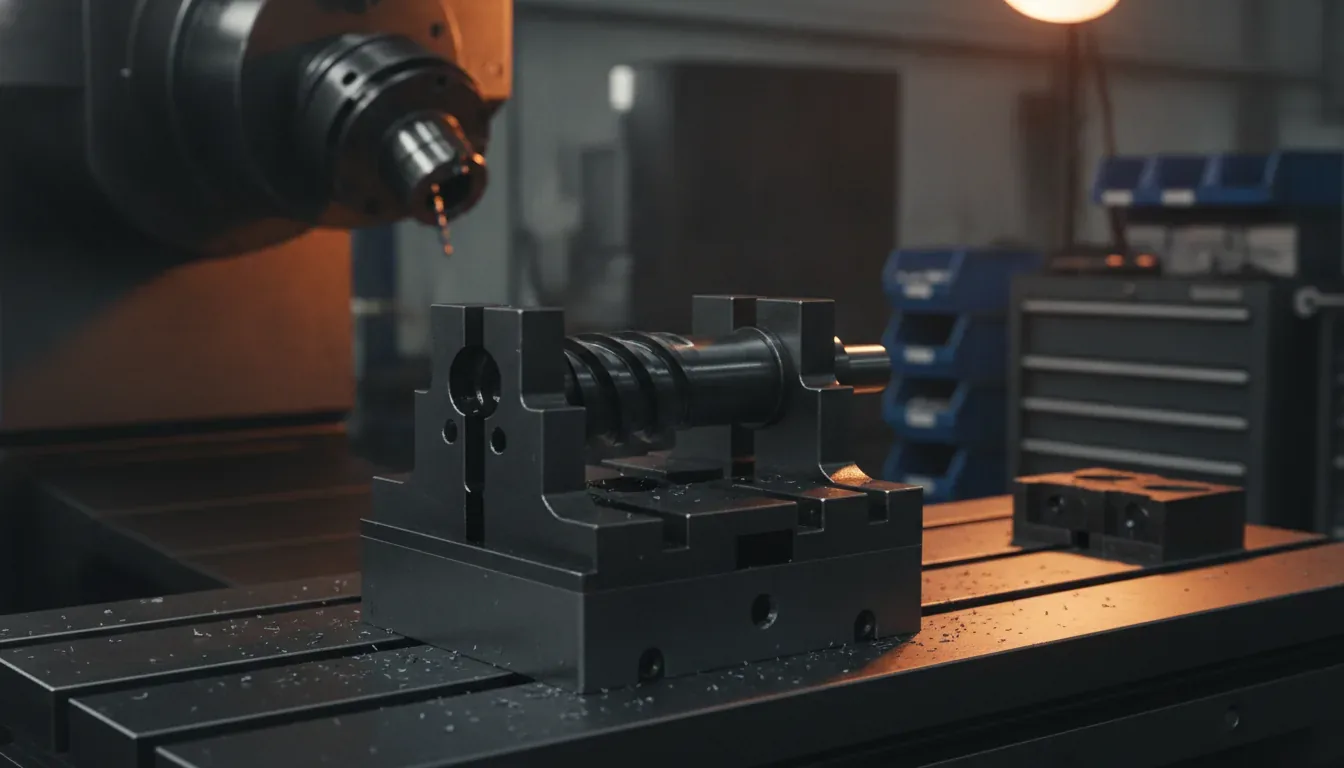
A packer, bridge plug or cement retainer only grips and seals on a clean casing wall, and the scraper that cleans it has to fit your casing on the way down and at depth. This guide covers how a casing scraper cleans, the three main configurations, and how to size one to your casing OD and weight range, with worked ID and drift figures for 5-1/2 in, 7 in and 9-5/8 in casing. It then matches each configuration to its well condition, sets out where every option stops working, and lists the records that should ship with the order.
September 25, 2026
Gas anchors
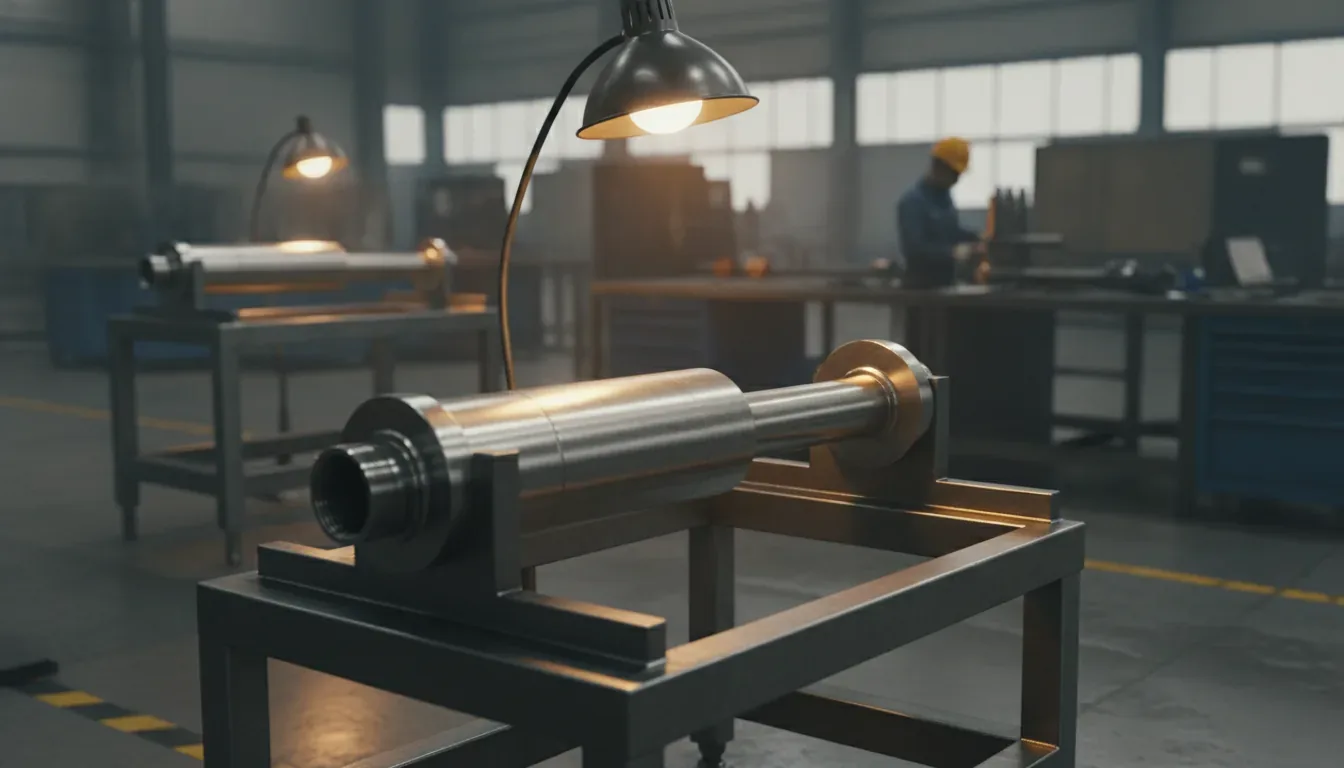
Low fillage, fluid pound or a gas-locked rod pump usually points to the same tool below the pump: a gas anchor. Which configuration fits depends on whether the pump can sit below the perforations, how much liquid it displaces, and whether solids or deviation are in play. This guide works through the four configurations by well condition, then covers the sizing rule, the specifications a quotation has to fix, and where each option stops working. It also sets out the records that should ship with the part and the SpectraMax lead-time bands by product class.
September 25, 2026
Coiled tubing tools
"Coiled tubing tools" covers three different things: the surface spread, the intervention bottom-hole assembly, and the completion tools coiled tubing conveys and sets. Only the third group is manufactured completion equipment, and it is the group this page is about. It covers what conveyance changes about the tool itself, which of the three families (bridge plug, cement retainer, packer) suits which job, and the six inputs a supplier needs to quote one. It also sets out where each option stops, the records to ask any supplier for, and the lead-time bands by product class.
September 21, 2026
Saudi Aramco vendor registration for completion equipment suppliers
Saudi Aramco vendor registration is a prequalification on Aramco's e-Marketplace that ends in a Vendor ID, and being registered is not the same as being qualified. This guide walks the out-of-Kingdom route for a completion equipment manufacturer: how Aramco weighs financial strength, technical qualification and IKTVA local content, and which documents an international supplier actually files instead of the Saudi statutory set. It also sets out what a manufacturer can carry for your submission, what stays with you, and the records to ask any supplier for before a purchase order.
September 21, 2026
ONGC vendor registration for downhole tool suppliers: the actual sequence
Selling downhole tools to ONGC starts with a commercial gate, not the technical bid: you complete supplier self-registration on ONGC e-Procurement, get a bidder User-ID, then finish vendor enlistment before you can bid on a single tender. This guide walks the actual sequence, the documents an Indian or overseas applicant submits, how ONGC weighs a bid once local content is applied, and a realistic timeline. It is honest about what a manufacturer can and cannot do for your bid, and what to ask any supplier for in writing.
September 21, 2026