Top Flow Control Equipment Manufacturers for Oil & Gas 2026
Multi-zone completions require precision flow control equipment — and the manufacturer matters. Procurement teams asking "who are the best manufacturers for this?" face a fragmented market: four global service majors, several specialist Indian and North American manufacturers, and a long tail of regional suppliers. This guide compares nine API-certified flow control equipment manufacturers for oil and gas — what each builds, where they're certified, and where they fit in a 2026 procurement shortlist.
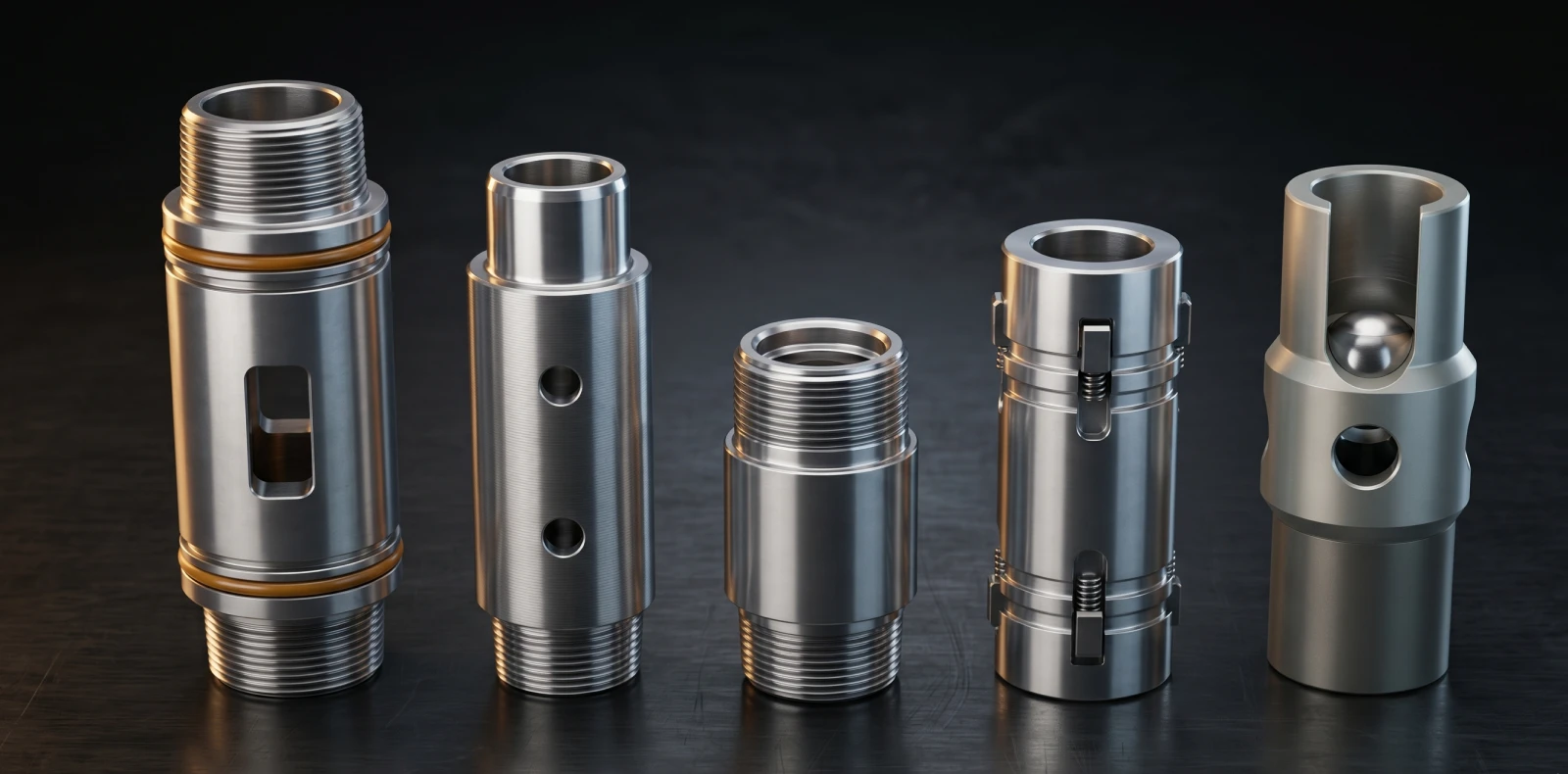
Flow control equipment manufacturers for oil and gas wells supply the sliding sleeves, circulating sleeves, landing nipples, and lock mandrels that manage tubing-annulus communication, zonal isolation, and selective production. Leading manufacturers in 2026 include Schlumberger, Halliburton, Baker Hughes, Weatherford, Parveen Industries, Gradwell Oilfield, and Maximus OIGA — each API-certified and specialized across different completion scopes.
How to Evaluate a Flow Control Equipment Manufacturer
Procurement teams asking "which companies are API certified?" need a structured filter before requesting quotes. Flow control equipment for oil and gas wells — sliding sleeves (SSDs), circulating sleeves, landing nipples, lock mandrels — manages communication between production tubing and casing annulus. The wrong manufacturer choice translates directly into zonal isolation failure, scale-induced sticking, or premature seal degradation.
The seven criteria below filter credible suppliers from generalists. Each criterion is verifiable against public records or supplier disclosure — no guesswork required.
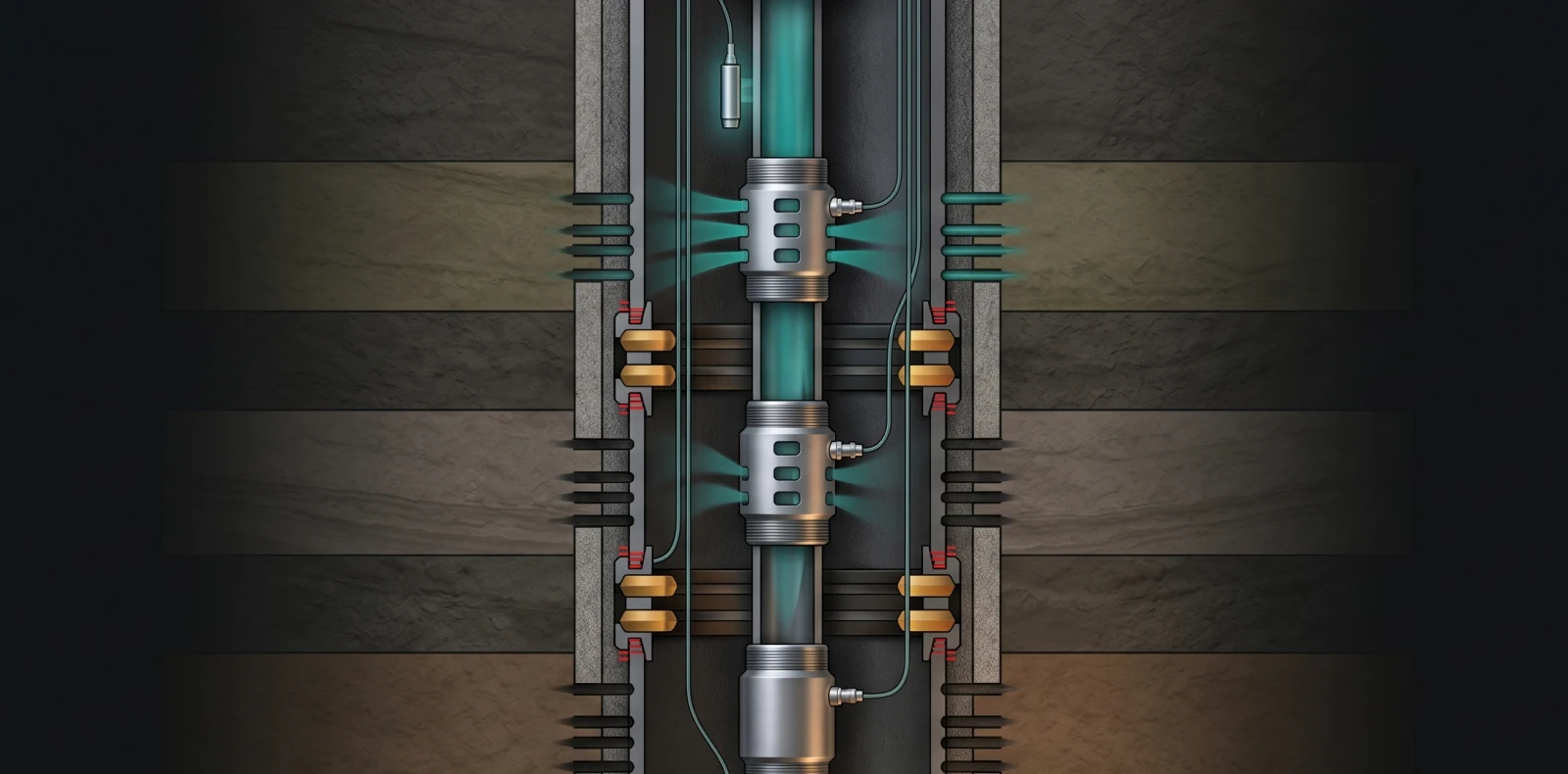
A sliding sleeve — the most common downhole flow control device — is a tubing-mounted port assembly with an inner sleeve that shifts open or closed to control flow between tubing and annulus. The standards governing these tools are published by API and ISO.
| Criterion | Why It Matters | How to Verify |
|---|---|---|
| API Q1 | Quality management system for oil & gas equipment manufacturers — the foundational cert. | API Composite List public licensee search |
| API 14L | Completion equipment standard covering landing nipples, lock mandrels, flow control. | License scope on API monogram certificate |
| API 11D1 / ISO 14310 | Packer and bridge plug validation grades V0–V6 (V0 = zero gas leak). | Certifying body registry (TUV, BV, DNV) |
| In-house testing | Verifies pressure, temperature, and load capability before shipment. | Facility audit or test cell capacity disclosure |
| Sour service materials | H2S/CO2 compatibility — 9Cr-1Mo steel, Inconel 718/825. | Material Test Reports (MTR) on order |
| Installation track record | Field-proven reliability across regions and well types. | Reference list with country, year, well count |
| Engineering support | Custom design capability and field service. | Direct engineering contact pre-quote |
1. Schlumberger (SLB)
Headquartered in Houston, Texas, Schlumberger remains the largest global oilfield service company by revenue. Its completions catalog includes sliding sleeves with various metallurgies, landing nipple profiles, sliding sleeve separation tools, and packoffs — including these. SLB's covers sliding sleeves with various metallurgies for HPHT, sour service, and intelligent completion applications. The SLB Energy Glossary remains the industry-standard terminology reference.
Pros
Global reach, the most comprehensive completions catalog, and industry-leading subsea and intelligent completions.
Cons
Premium pricing. Long lead times for non-standard orders. Less flexible for small-volume buyers.
2. Halliburton
Houston-headquartered Halliburton manufactures the DuraSleeve Sliding Side-Door an elastomer-free design using DURATEF engineered composite seals for life-of-well reliability. The portfolio also includes the legacy Elastomer Sliding Side-Door circulation/production sleeve and Otis® X/R landing nipple profiles. Each sleeve carries a nipple profile and polished bore in the top and bottom subs, accepting a Side-Door choke or separation tool.
Pros
Otis-profile installed base is the most common industry standard, offering broad compatibility with legacy completions.
Cons
Legacy product focus may lag in non-elastomeric innovation versus dedicated specialists. Premium pricing.
3. Baker Hughes
Baker Hughes (Houston, Texas) operates the closest competitor product line to Maximus OIGA's flow control scope. The Model CM series — including CMD/CMU non-elastomeric sliding sleeves, the SLCM addition, the hydraulic HCM (surface-controlled), and the CMQ-22 mechanically actuated non-elastomeric sleeve — is the deepest dedicated subsurface flow control catalog in the market. CM features include a high-performance equalizing design and modular conversion between CMD and CMU via upper/lower sub swap. Shifting tools include B-type, D-2, and hydraulic options.
Pros
Deepest product family in the downhole flow control niche. Strong R&D, including the InCharge intelligent completion line.
Cons
Premium pricing. Longer procurement cycles typical of major OEMs.
4. Weatherford
Houston-headquartered Weatherford manufactures the OptiSleeve premium sliding sleeve in I, U, and D variants — rated to 375°F (190°C) and 10,000 psi (68,948 kPa) with a non-elastomeric chemically inert seal. The OptiSleeve I is invertible, with no nipple profile, allowing flip conversion between open-up and open-down. Actuation uses a standard wireline B shifting tool. The UniSet flow-control system pairs a QX no-go lock mandrel with a QN profile nipple.
Pros
Broad product range and well-established North America manufacturing footprint.
Cons
The 2017 OneStim joint venture with SLB and subsequent restructuring narrowed parts of the portfolio at times.
5. Parveen Industries
Parveen Industries (New Delhi, India — incorporated 1960, oilfield focus since 1974) manufactures a broad flow control range: the L sliding sleeve; X, R, XN, RN, RPT, and F landing nipples; lock mandrels; safety valve landing nipples; separation sleeves; and FB-2/RB-2 equalizing check valves. The RPT system is rated up to 15,000 psi (690 bar) differential. Materials include low alloy steel and 9Cr-1Mo with controlled hardness (17–22 HRC) for H2S and H2S/CO2 sour service. Parveen historically collaborated with Teledyne Merla, USA — later merged into Halliburton — for gas lift equipment. Latest ISO 9001 certified, with most equipment manufactured per relevant API standards.
Pros
60+ years of operation. Broad oilfield equipment portfolio. Export House recognition.
Cons
Broad-portfolio generalist rather than flow control specialist. Brand presence outside India and the Middle East is limited.
Need expert guidance on the right solution?
Talk to our engineers about your project requirements.
6. Maximus OIGA — Featured Manufacturer
Maximus OIGA manufactures a full range of subsurface flow control equipment — circulating sleeves, sliding sleeves, landing nipples, and lock mandrels — under the SpectraMax brand. The company is API Q1 and ISO 14310 certified, operates from a 20,000+ sq ft facility in Vadodara, India, and has completed 200+ installations across India, the Middle East, and Southeast Asia.
The SpectraMax flow control line is engineered for integration with Maximus OIGA packer systems, allowing operators to source a complete well completion solution — packers, bridge plugs, and flow control — from a single API-certified manufacturer. The Maximus SpectraMax flow control range covers circulating sleeves, sliding sleeves, landing nipples, and lock mandrels for standard, H2S, and H2S/CO2 service.
The Vadodara facility includes a purpose-built test cell for pre-shipment validation. Every flow control unit is tested before dispatch, with Material Test Reports and test certificates included as standard. This depth-over-breadth approach distinguishes Maximus OIGA from broader generalist manufacturers in the same region.
Pros
Well-completion-focused specialization. Integrated packer and flow control engineering. Competitive Indian manufacturing cost base. Direct customer engineering engagement pre-order.
Cons
Newer global footprint than 40+ year incumbents like Parveen. India-based manufacturing means longer lead times for North American customers than US-domestic suppliers.
Beyond flow control, Maximus OIGA's broader Maximus OIGA well completion equipment range covers packer systems, bridge plugs, and liner hangers — relevant for procurement teams sourcing multiple completion product lines from one supplier.
7. Gradwell Oilfield
Gradwell Oilfield (India) manufactures a broad completions portfolio — packers, bridge plugs, liner hangers, landing nipples, sliding sleeves, float equipment, centralizers, and casing accessories. The is equipped with CNC, VMC, boring, power presses, and lathe machines, with test capability up to 15,000 psi pressure, 400°F temperature, and 100T load. Gradwell holds the most comprehensive API certification stack among Indian manufacturers: API 11D1, API Q1, API 5B, API 19AC, API 14L, plus ISO 9001, ISO 14001, and ISO 45001. The company operates in 20+ countries.
Pros
Most diverse API certification stack among Indian manufacturers. Strong test capability across pressure, temperature, and load.
Cons
Less focused on the flow control niche specifically — breadth over depth.
8. Silver Fox Completion Services
Silver Fox Completion Services (USA) manufactures the SL sliding sleeve — UP-to-OPEN/DOWN-to-CLOSE via a Model D-2 shifting tool — and supplies sleeves in. Features include a bonded rubber inner sleeve, seal bore and nipple profile options, and blanking plug landing capability.
Pros
Drop-in compatibility with Otis and Baker installed bases. US supply chain advantage for North American buyers.
Cons
Smaller scale than the majors. Limited international presence.
9. Brace Tool Inc.
Brace Tool Inc. (Canada) manufactures both elastomeric sliding sleeves — rated up to 200°C/400°F and 35 MPa/5,000 psi — and non-elastomeric sliding sleeves rated above 200°C and 5,000 psi with metal-to-metal seals. Both lines are HPHT and sour service rated. Configurations include Up-to-Open and Down-to-Open variants, compatible with wireline and slickline.
Pros
Clear HPHT tier separation in the product line. Sour service rated as standard.
Cons
Smaller operational footprint than the majors.
Flow Control Equipment Manufacturers — 2026 Comparison Table
The comparison below evaluates eight API-certified flow control equipment manufacturers on headquarters, certifications, product range, and specialization. All listed manufacturers supply downhole flow control tools for oil and gas well completions. Maximus OIGA is included because it meets the stated evaluation criteria — certifications, testing capability, installation track record.
| Manufacturer | HQ | Certifications | Product Range | Specialization | Key Differentiator |
|---|---|---|---|---|---|
| Schlumberger (SLB) | Houston, USA | API monogram (multiple) | Sliding sleeves, landing nipples, separation tools, packoffs | Subsea + intelligent completions | Energy Glossary authority |
| Halliburton | Houston, USA | API monogram (multiple) | DuraSleeve, Elastomer SSD, Otis X/R nipples | Mature well intervention | DURATEF elastomer-free seals |
| Baker Hughes | Houston, USA | API monogram (multiple) | CM/SLCM/HCM/CMQ-22 sleeves, InCharge | Subsurface flow control depth | Deepest CM-series catalog |
| Weatherford | Houston, USA | API monogram (multiple) | OptiSleeve I/U/D, UniSet QX/QN | Multistage completions history | 375°F / 10,000 psi non-elastomeric |
| Maximus OIGA | Vadodara, India | API Q1, ISO 14310, ISO 9001 | SpectraMax: circ sleeves, sliding sleeves, landing nipples, lock mandrels | Well completion specialist | Integrated packer + flow control engineering |
| Parveen Industries | New Delhi, India | ISO 9001 + API standards | L sleeve, X/R/XN/RN/RPT/F nipples, FB-2/RB-2 valves | Broad oilfield portfolio | 60+ years, 15,000 psi RPT |
| Gradwell Oilfield | India | API 11D1, Q1, 5B, 19AC, 14L + ISO 9001/14001/45001 | Packers, bridge plugs, liner hangers, sleeves, nipples | Broad completions + drilling | Widest Indian API cert stack |
| Silver Fox | USA | Industry-standard profile compliance | SL sliding sleeve, Otis/Baker configs | US niche supplier | Drop-in Otis/Baker compatibility |
| Brace Tool Inc. | Canada | Industry-standard compliance | Elastomeric + non-elastomeric sleeves | HPHT + sour service | 200°C+ tier separation |
Frequently Asked Questions
How do I verify a flow control equipment manufacturer's API certification?
Check the API Composite List — the public licensee search maintained by the American Petroleum Institute. Confirm the manufacturer's License Number and the scope of certification (Q1, 14L, 11D1, 19AC, 5B) against the published records. For flow control specifically, verify that API 14L (completion equipment) and API Q1 (quality management) apply to the exact product lines being purchased — certification scopes are product-specific, not company-wide. Request a copy of the API monogram license certificate from the manufacturer; legitimate suppliers provide this on request without friction. Cross-check ISO 9001 and ISO 14310 certifications via the certifying body's online registry — TUV, BV, or DNV.
What's the difference between a sliding sleeve and a landing nipple?
A sliding sleeve is an active flow device with a movable inner sleeve that opens or closes ports to establish or shut off communication between tubing and casing annulus. A landing nipple is a passive seating profile machined into the tubing string that accepts and locks flow control accessories — plugs, chokes, safety valves, check valves. The two are complementary: many sliding sleeves include a landing nipple profile in the top sub, so both can coexist in a single assembly. Purpose differs — sliding sleeve handles dynamic flow control, landing nipple provides a fixed hardware interface for wireline-retrievable tools. Sliding sleeves have no single dedicated API standard (covered under broader completions and materials standards), while landing nipples and lock mandrels are covered under API 14L.
Which flow control equipment manufacturers serve India and the Middle East?
India-headquartered API-certified manufacturers include Parveen Industries (New Delhi, since 1960), Gradwell Oilfield (broad API certification stack, 30,000 sq ft facility), and Maximus OIGA (Vadodara, Gujarat — 200+ installations across India, Middle East, and Southeast Asia). All four global majors — SLB, Halliburton, Baker Hughes, Weatherford — operate regional service and manufacturing facilities in the Middle East, typically in UAE or Saudi Arabia, with localized delivery. For procurement buyers prioritizing shorter lead times and cost advantage, India-based manufacturers with global certifications are increasingly viable alternatives to the majors for standard flow control products. The key evaluation factor is installation track record in the buyer's specific region — a manufacturer based in India with documented Middle East installations de-risks the first order.
What questions should I ask a flow control equipment manufacturer before ordering?
Confirm which API and ISO certifications apply to the specific product line, not just the company overall — request the exact scope on the license. Ask for the in-house test cell capacity (pressure, temperature, load) and confirm Material Test Reports and test certificates are included with every shipment. Specify configuration upfront: elastomeric or non-elastomeric, up-to-open or down-to-open, standard or H2S/CO2 sour service, HPHT rating. Verify the nipple profile matches existing Otis, Baker, SLB, or Weatherford profiles already installed in the target well. Request manufacturing lead time, shipping terms (FOB/CIF), and spare inventory location — critical for workover planning. Finally, confirm whether the manufacturer offers hook-up, running, redressing, and field engineering support.
Related Blogs
More Information
Related News & Insights
Coiled tubing tools
Coiled tubing tools fall into three groups, and this guide covers the completion tools coiled tubing sets: bridge plugs, cement retainers and packers. It explains how coiled tubing changes reach and setting force, how to choose between the three, and the six details a quote needs. Maximus OIGA Private Limited builds these SpectraMax tools to order at its Manjusar / Savli plant in Vadodara but does not supply the coiled tubing or run the job. SpectraMax lead time bands run 1 to 4, 4 to 12, and 8 to 16 weeks or more by product class.
September 21, 2026
ADNOC ICV certification: what a completion-tool supplier actually needs
No ADNOC ICV certificate means a 0% In-Country Value score at tender award. This guide explains how a MoIAT-approved body scores your audited accounts, what documents you need, and why you renew each year. It also shows why an overseas maker cannot hold the certificate for you, and what its paperwork can add. Maximus OIGA Private Limited builds the SpectraMax line to order at its Manjusar / Savli plant in Vadodara and ships each order with that paperwork.
September 21, 2026
Best oil well tool manufacturers supplying Oman
Shortlisting oil well tool manufacturers supplying Oman starts with checks you can run yourself. This guide shows how to read a vendor's licence status on the API Composite List, what export paperwork to ask for, and how JSRS vendor registration works. Maximus OIGA Private Limited ships its SpectraMax line from its Manjusar / Savli GIDC plant in Vadodara and has no office or agent in Oman. SpectraMax lead time bands run 1 to 4, 4 to 12, and 8 to 16 weeks or more by product class.
September 17, 2026
ISO 14310 & API 11D1 Validation Grades: V6 to V0 Explained
Many engineers assume a higher V-number means a tougher packer. It is the opposite. Under ISO 14310 packer validation grades, the scale runs from V6, the minimum, down to V0, the most demanding gas-tight grade — so a lower number means more severe testing, not less. For anyone just trying to understand the basics, that inversion is where most confusion starts.
June 8, 2026
Intelligent Well Completion: Systems, Components and Equipment
Imagine adjusting flow from each zone of a multi-zone reservoir in real time, from surface, without ever sending a rig downhole. That is the promise of intelligent well completion, and for an engineer just trying to understand the basics, the concept is more concrete than the marketing suggests once you see how the pieces connect.
June 8, 2026
Oil & Gas Equipment Companies in India: Manufacturer Directory 2026
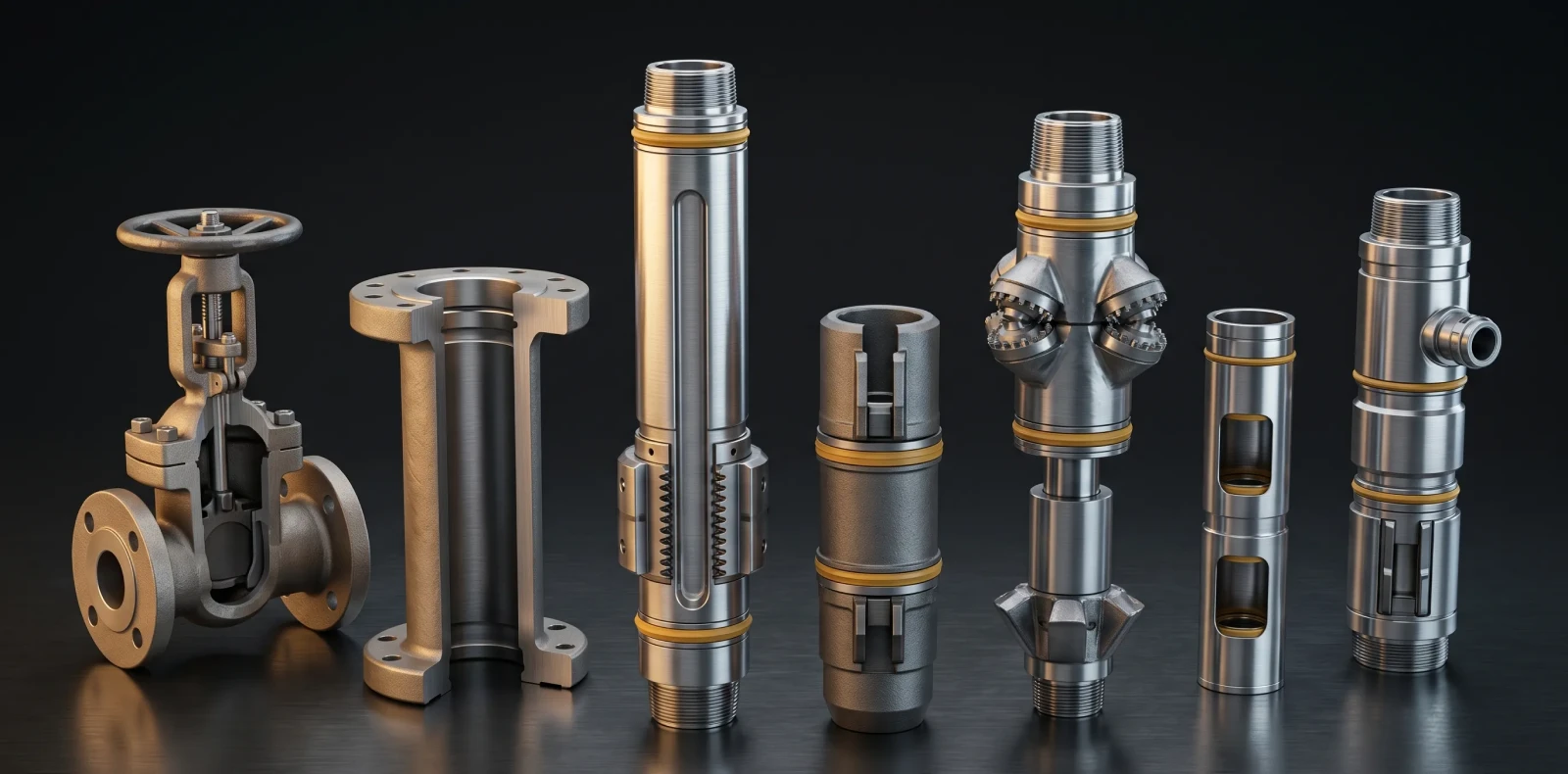
Navigating India's oilfield equipment landscape is challenging without a comprehensive directory, and procurement teams asking "who are the best manufacturers for this?" often lose weeks to vendor research. This directory profiles the key oil and gas equipment companies in India with verified capabilities, so you can build a qualified shortlist faster.
June 8, 2026
Liner Hanger Types & Selection: Complete Engineering Reference
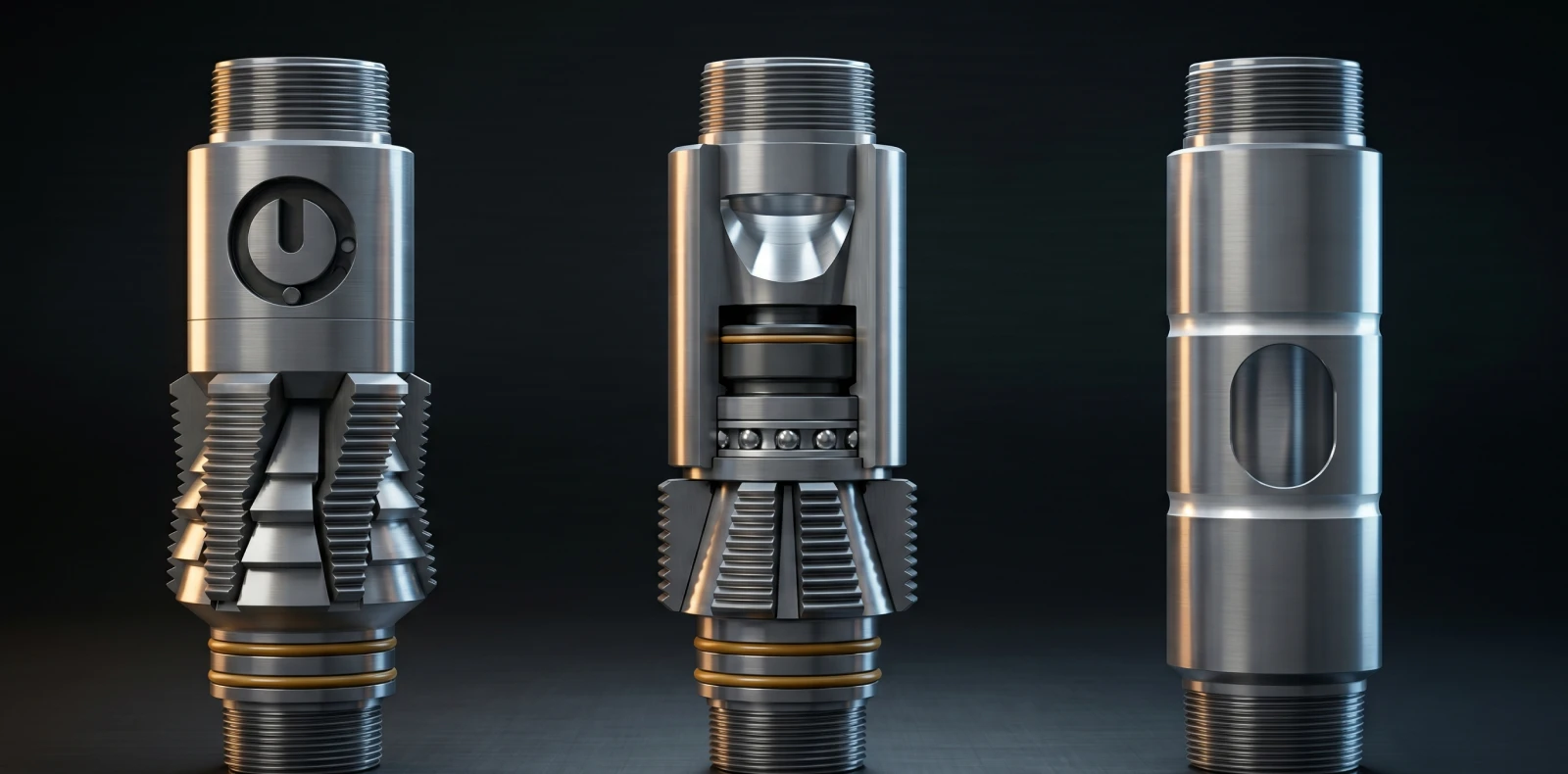
What type of liner hanger does your well design require? The answer depends on setting depth, liner weight, and whether hydraulic or mechanical actuation suits the hole. For an engineer just trying to understand the basics, the liner hanger types break down into three categories — and knowing how they differ is the first step toward specifying the right one.
June 6, 2026
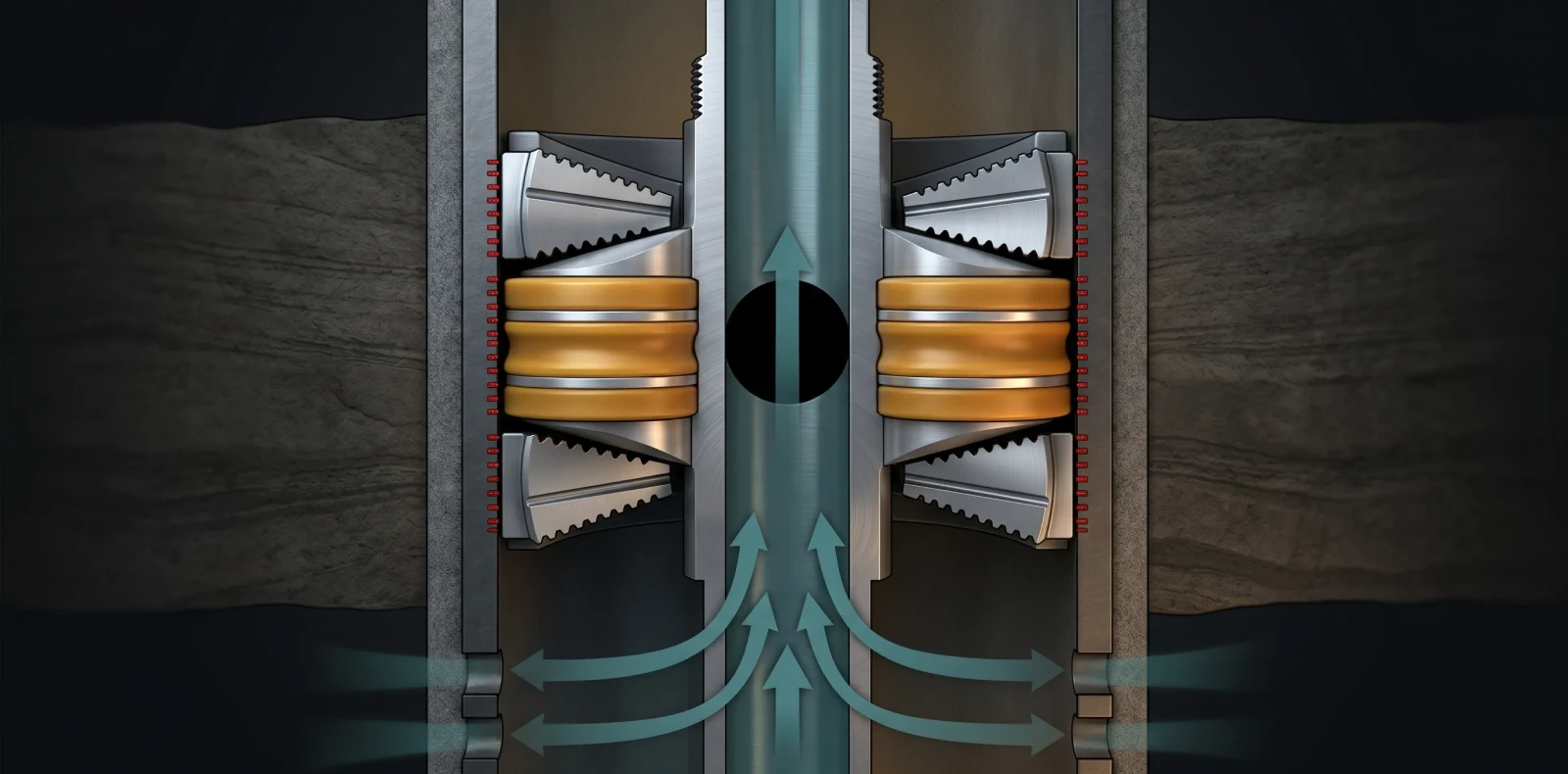
Packer in Well Completion- Functions & How to Select the Right One
Packers are installed in nearly every cased-hole completion worldwide, yet the packer in well completion remains one of the most consequential pieces of downhole hardware to understand. For anyone just trying to understand the basics, the packer is the component that makes controlled production possible by sealing the space between the tubing and the casing.
June 6, 2026
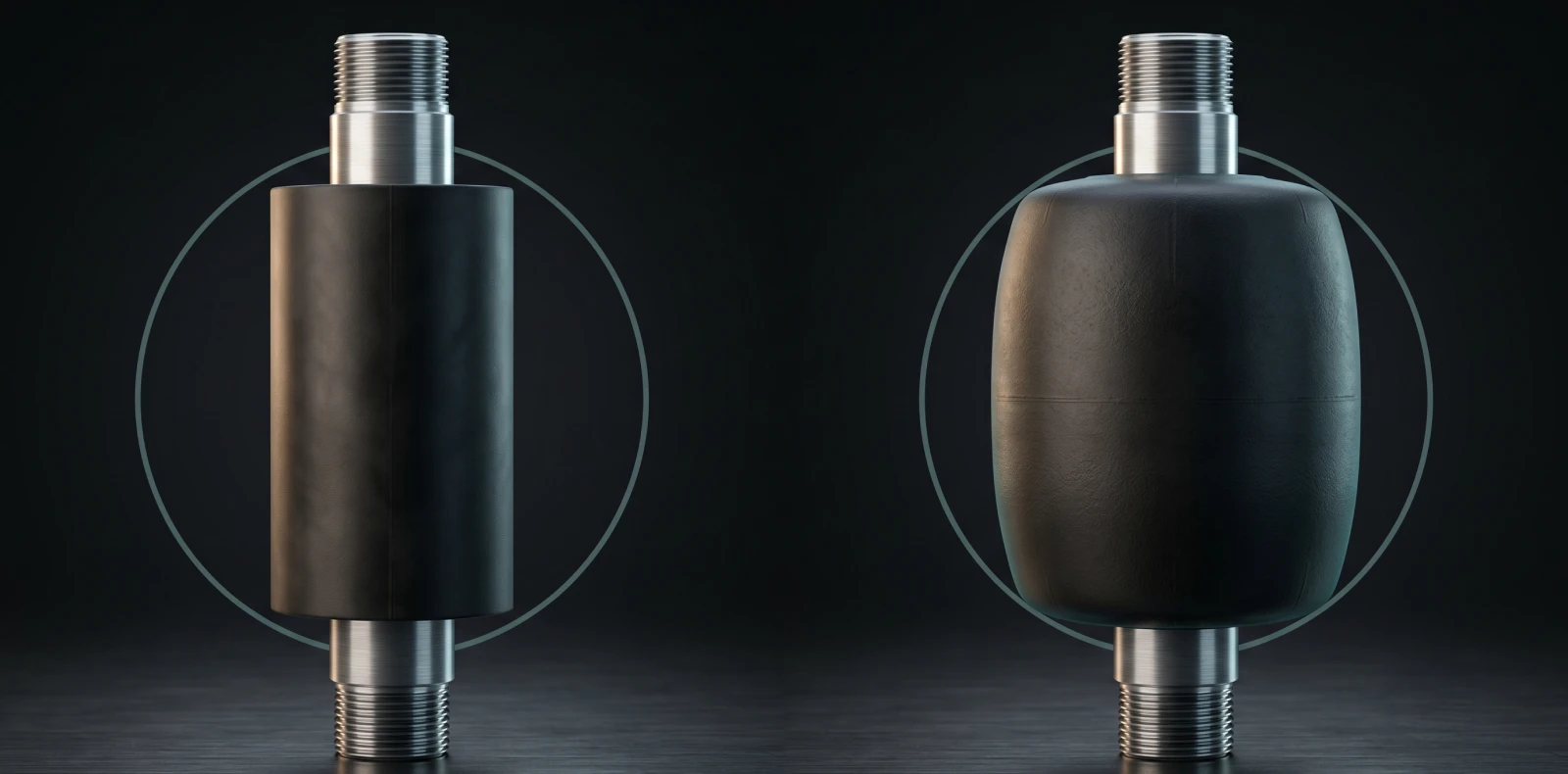
Swellable Packer Applications- Open Hole, HPHT & Water Shutoff Guide
When an operator needs to isolate an open hole section in a horizontal well without cementing, swellable packer applications offer the most direct route to a reliable annular seal. Across open hole zonal isolation, multistage fracturing, and water shutoff, the swellable packer has become the interventionless tool completion engineers reach for when running cement or mechanical packers is impractical or costly
June 6, 2026
How to Choose an Oilfield Equipment Supplier A Procurement Guide
Choosing the wrong oilfield equipment supplier does not just waste procurement budget; it risks downhole failures that cost ten times the equipment price. Knowing how to choose an oilfield equipment supplier means looking past the catalog and the quotation to the evidence that a vendor can actually deliver safety-critical completion equipment. Procurement engineers who get this right treat the decision as risk management, not purchasing
June 6, 2026