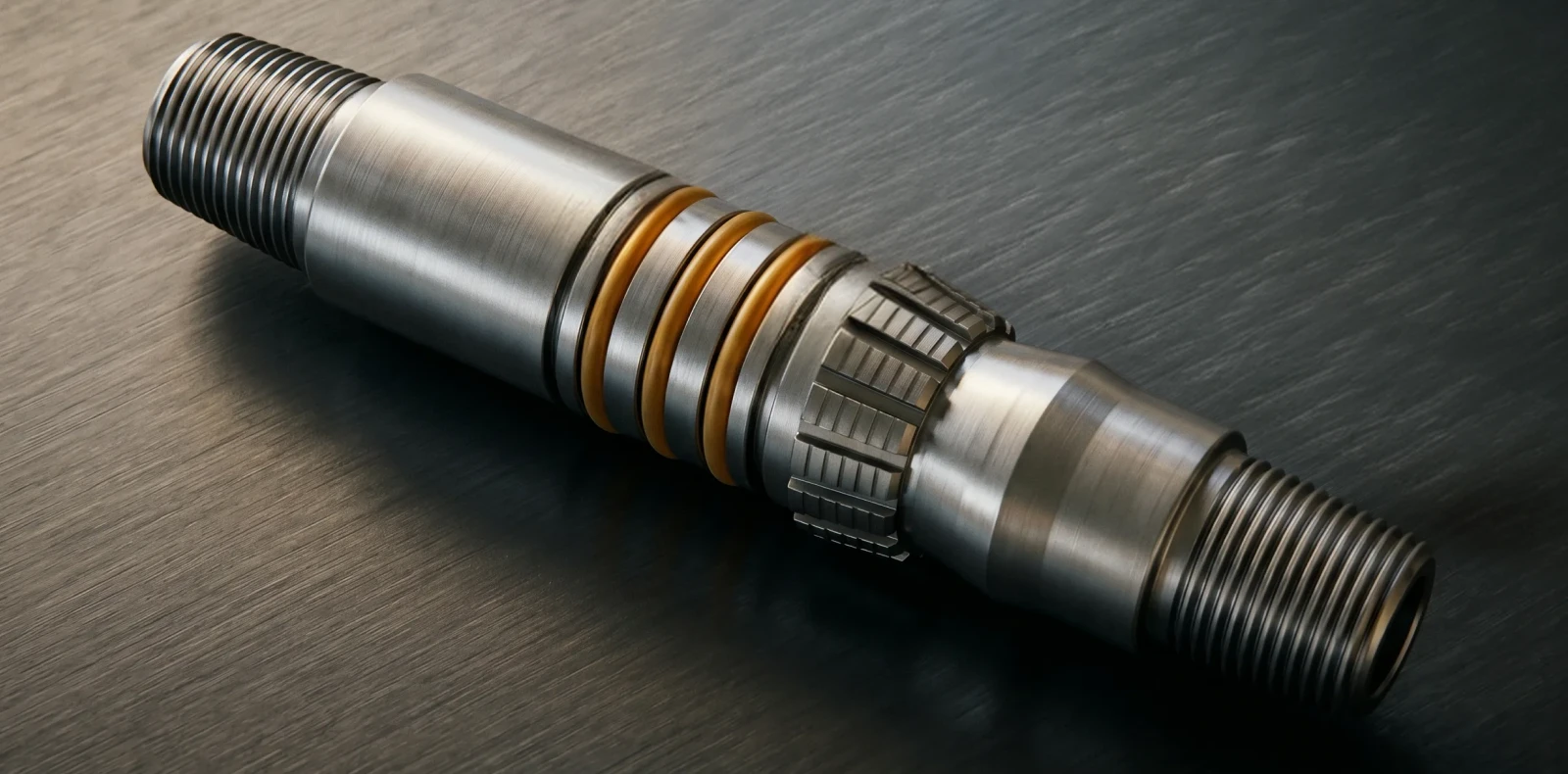
Best Well Completion Equipment Manufacturers: How to Choose - 2026
An operator specifying well completion equipment faces a critical choice: single-source from a specialist or assemble a multi-vendor stack from generalists. The decision shapes lead times, traceability, failure response, and total program cost long after the equipment is downhole. Engineers evaluating vendors at this stage need technical reference they can trust, not marketing brochures.
An operator specifying well completion equipment faces a critical choice: single-source from a specialist or assemble a multi-vendor stack from generalists. The decision shapes lead times, traceability, failure response, and total program cost long after the equipment is downhole. Engineers evaluating vendors at this stage need technical reference they can trust, not marketing brochures.
Selecting a well completion equipment manufacturer requires evaluating three things: certification rigor, specialist depth, and in-house testing capability. The global well completion equipment market is projected at USD 11.9 billion in 2026, growing at 8.8% CAGR, and operators increasingly distinguish API Q1-certified specialists from generalist suppliers when sourcing packers, bridge plugs, liner hangers, and flow-control equipment.
Why Manufacturer Choice Matters Now
The global well completion equipment market reached USD 11.9 billion in 2026 and is projected to grow to USD 25.4 billion by 2035 at an 8.8% CAGR per Market Growth Reports. Mordor Intelligence places the comparable market at USD 12.22 billion in 2025 with a 5.21% CAGR through 2030 — both forecasts confirm sustained expansion driven by deepwater capital and intelligent completion adoption.
Deepwater spending is expected to exceed USD 300 billion in 2025, rising 11% year over year, and intelligent completion deployments now account for roughly 29% of new installations. More than 68% of global wells require multi-stage completion systems, and over 74% of horizontal wells use advanced completion equipment.
Two procurement consequences follow. First, demand concentration is pushing equipment ratings higher — Chevron Anchor and similar projects now run 20,000 PSI subsea completions. Second, the gap between manufacturers built for HPHT specification and those still selling commodity-grade hardware is widening. Manufacturer selection has moved from logistics to engineering risk management.
Criterion 1 — Certifications That Actually Matter
API Spec Q1 is the quality management standard for petroleum and natural gas equipment manufacturers; the 10th edition is aligned with ISO 9001:2015. ISO 14310 / API Spec 11D1 governs packer design and testing, with three quality grades (Q3 to Q1) and six design-verification grades (V6 to V0). V0 represents zero-leakage gas-tight performance — the strictest seal integrity classification.
Three certification frameworks matter for well completion equipment buyers, and they cover different layers. ISO 9001:2015 is a baseline quality management system, generic across industries — necessary but not sufficient. The [API Spec Q1 quality management standard is the petroleum-industry-specific QMS, currently in its 10th edition, aligned with ISO 9001:2015. Nearly 4,000 facilities globally hold API Q1. The standard requires a documented quality manual, at least four months of operational QMS, internal audits, management review, supplier evaluation, and verified technical capability to manufacture per the relevant API specification.
Product-level certification sits one level deeper. The ISO 14310 / API 11D1 packer standard governs the design, manufacture, selection, and laboratory testing of packers and bridge plugs. It assigns two independent grade scales: quality grades from Q3 to Q1, with Q1 the most rigorous, and design verification grades from V6 to V0. V0 testing uses gas (air or nitrogen) as the test medium, not liquid, and certifies zero gas leakage at rated conditions.
The visible mark of compliance is the API Monogram — a registered certification mark that licensed organizations may apply only to new conforming products manufactured at the licensed facility. Due diligence should request three documents: a current API Q1 license number, ISO 14310 / API 11D1 grade certificates per product line, and Material Test Reports plus pressure-test records.
Criterion 2 — Specialist Depth vs Generalist Breadth
Specialist well completion equipment manufacturers concentrate engineering, manufacturing, and testing on packers, bridge plugs, liner hangers, and flow-control tools rather than spreading capacity across drilling, fracturing, and surface equipment. For high-stakes completions — HPHT wells, geothermal, SAGD, deviated and horizontal sections — single-sourcing critical downhole tools from a specialist reduces interface risk and consolidates technical accountability.
Generalist suppliers — Halliburton, Schlumberger, Baker Hughes, Weatherford, NOV — carry well completion equipment as one product line among many. Their advantage is scale, integrated service contracts, and global field support. The tradeoff: completion engineering competes internally for capacity against drilling, surface, and digital product lines.
Specialist manufacturers concentrate on a narrower equipment family. Welltec, Packers Plus, and regional API Q1 firms compete on focused engineering depth, custom configurations, and faster response on non-standard completions. Maximus OIGA fits this category, with 200+ installations across India, the Middle East, and Southeast Asia and a product portfolio limited to packer systems, bridge plugs, flow control, liner hangers, and downhole tools.
Procurement data clarifies the tradeoff. An Aberdeen study cited by Aavenir found multi-supplier programs achieve 92% on-time delivery versus 76% for single-supplier programs. A Deloitte procurement survey reported 70% of buyers use multiple suppliers for risk mitigation while 61% also use single sourcing for relationship and cost reasons. The hybrid is common in oilfield procurement: single-source proprietary downhole tools from a category specialist, multi-source commoditized equipment.
Practical decision: route HPHT, geothermal, and critical-section completion equipment through a specialist with documented installation references. Route commodity wellhead and surface scope through whichever supplier offers the best price, lead time, and regional service.
Criterion 3 — In-House Manufacturing & Testing
A well completion equipment manufacturer's quality depends on vertical integration: in-house machining, elastomer processing, and a dedicated test cell capable of validating products at rated pressure and temperature. Buyers should require Material Test Reports (MTRs), inspection records, and pressure-test certificates with every shipment, plus traceability from raw stock through final assembly per API Q1 requirements.
Vertical integration is the practical proxy for quality control. A manufacturer running in-house machining, elastomer processing, assembly, and pressure-temperature testing under one roof can document every stage. A manufacturer outsourcing critical operations introduces interface risk, longer audit chains, and traceability gaps that surface only after a downhole failure.
API Q1 requires documented internal audits and a documented management review. The artifacts a buyer should request on every shipment are Material Test Reports tied to heat numbers, inspection records, calibration records for test equipment, and traceability from raw stock through final assembly. For HPHT applications, factory-witnessed acceptance testing — including gas-pressure V0 tests on critical packers and liner hangers — should be a contract requirement.
Direct-from-manufacturer sourcing reduces interface risk. Distributor channels add lead time and create traceability gaps where MTRs and test certificates can be replaced or omitted. For procurement engineers running specifications for engineering evaluation, a list well completion equipment line item should always include the source channel, not just the part number.
Maximus OIGA operates an in-house test cell validated to 500°F (260°C) and 15,000 PSI at its Vadodara, Gujarat facility — capacity that exceeds the rating of most current product configurations and supports custom builds for non-standard well conditions. Engineering, manufacturing, and testing are co-located, and MTRs and pressure-test certificates accompany every shipment.
Need expert guidance on the right solution?
Talk to our engineers about your project requirements.
Maximus OIGA — A Specialist Manufacturer's Profile
Maximus OIGA is an API Q1, ISO 14310, and ISO 9001 certified well completion equipment manufacturer headquartered in Vadodara, Gujarat, India. The product portfolio covers packer systems (thermal, hydraulic, mechanical, cup, swellable), bridge plugs cast iron and composite, flow control (circulating sleeves, sliding sleeves, landing nipples), liner hangers, and downhole tools.
Two brand lines anchor the catalog: SpectraMax for thermal packer innovation rated for sustained high-temperature operation, and PAK VI for the hydraulic packer family. The company has documented 200+ installations across India, the Middle East, and Southeast Asia, with a specialist depth-over-breadth posture against broader Indian generalists like Parveen Industries and Wellcare Oil Tools.
In-house engineering, manufacturing, and testing are consolidated at the Vadodara facility, supporting custom configurations for HPHT, geothermal, and other non-standard well conditions. Procurement teams can Request Technical Specifications for any product line directly.
Common Misconceptions in Manufacturer Evaluation
Three assumptions trip up procurement teams evaluating well completion equipment manufacturers.
First: all API-certified manufacturers deliver equivalent quality. They do not. API Q1 is a process certification covering the quality management system. Product-level grades — V0 through V6 design verification under ISO 14310, plus actual in-house test capability — vary widely across Q1-licensed facilities. Two manufacturers can both hold valid API Q1 licenses while one is V0-grade-tested for HPHT and the other is not.
Second: choosing a top-five global manufacturer guarantees the best fit. It does not. Global majors are optimized for high-volume standardized projects. Specialized completions — HPHT, geothermal, SAGD, horizontal critical sections — are often better served by specialist manufacturers with focused engineering capacity.
Third: regional manufacturers cannot match international API standards. Geography is not a disqualifier. API Q1 certification is granted facility by facility on documented compliance. An API Q1-licensed facility in Vadodara, Houston, or Aberdeen meets the same QMS standard.
Frequently Asked Questions
What are the different types of well completions?
Well completions divide into two top-level categories: openhole completions, where no casing is run across the producing zone, and cased-hole completions, where casing is run and selectively perforated. By production method, completions split further into natural, perforated, multi-stage frac, and intelligent (smart) completions, and by geometry into vertical, deviated, horizontal, and multilateral. Equipment selection cascades from completion type — packers, bridge plugs, liner hangers, sliding sleeves, and landing nipples each map to specific architectures.
What are the different types of packers in well completion?
Five primary packer categories are used in well completion: thermal packers, hydraulic packers, mechanical packers, cup packers, and swellable packers. By function, packers split into production packers (long-term zonal isolation), service or test packers (temporary), and liner-top packers (paired with liner hangers). By retrievability, they are classified as permanent or retrievable. Selection drivers include temperature, pressure, well geometry, retrieval requirement, and fluid chemistry. SpectraMax thermal and PAK VI hydraulic packer lines from Maximus OIGA cover the highest-stakes packer categories under API 11D1 Grade V0 design verification.
What certifications should a well completion equipment manufacturer have?
A credible well completion equipment manufacturer should hold three certification layers. ISO 9001:2015 is the baseline quality management standard — necessary but not sufficient. API Spec Q1 (10th edition, aligned with ISO 9001:2015) is the petroleum-industry-specific QMS and the minimum bar for well completion equipment suppliers. Product-specific certification under ISO 14310 / API Spec 11D1 carries a quality grade (Q3 to Q1) and a design verification grade (V6 to V0) for each packer or bridge plug model. Buyer due diligence should request the API Q1 license number, ISO 14310 / API 11D1 grade certificates per product line, and MTRs plus pressure-test records on a sample order.
Which type fits our well conditions — specialist or generalist?
The answer depends on well criticality, lead time tolerance, customization needs, and post-sale technical support. High-volume, standardized, integrated-service projects — large offshore campaigns and major operator programs — typically favor generalists like Halliburton, Schlumberger, Baker Hughes, Weatherford, or NOV for scale and bundled service. HPHT, geothermal, SAGD, deviated and horizontal critical sections, and smaller field campaigns are usually better served by specialist manufacturers offering focused engineering and faster responsiveness. A hybrid model is common: single-source critical downhole tools from a specialist, multi-source commoditized equipment for redundancy.
How do I verify a well completion equipment manufacturer's quality before placing an order?
Five steps cover most of the risk. Request the API Q1 license certificate and verify it on the publicly searchable API Composite List. Request product-level ISO 14310 / API 11D1 design verification grade certificates for the specific packer or plug models you intend to buy. Schedule a virtual factory tour and confirm in-house machining, elastomer processing, and pressure-test cell capacity. On a pilot order, require Material Test Reports tied to heat numbers, factory pressure-test certificates, and witnessed acceptance testing on critical items. For specialist verification, ask for installation references in conditions comparable to your wells.
Next Steps — Evaluating a Specialist Manufacturer
Specialist well completion equipment manufacturers earn evaluation when their certifications, depth, and testing capability align with the project. Maximus OIGA holds API Q1, ISO 14310, and ISO 9001 certifications, operates an in-house test cell rated to 500°F and 15,000 PSI, and has 200+ documented installations across India, the Middle East, and Southeast Asia.
We can share certification documentation, installation references, and test data on request. Reach the engineering team at exports maximusoiga.com or visit the Maximus OIGA manufacturer to evaluate the full equipment range.
Related Blogs
More Information
Related News & Insights
Coiled tubing tools
Coiled tubing tools fall into three groups, and this guide covers the completion tools coiled tubing sets: bridge plugs, cement retainers and packers. It explains how coiled tubing changes reach and setting force, how to choose between the three, and the six details a quote needs. Maximus OIGA Private Limited builds these SpectraMax tools to order at its Manjusar / Savli plant in Vadodara but does not supply the coiled tubing or run the job. SpectraMax lead time bands run 1 to 4, 4 to 12, and 8 to 16 weeks or more by product class.
September 21, 2026
ADNOC ICV certification: what a completion-tool supplier actually needs
No ADNOC ICV certificate means a 0% In-Country Value score at tender award. This guide explains how a MoIAT-approved body scores your audited accounts, what documents you need, and why you renew each year. It also shows why an overseas maker cannot hold the certificate for you, and what its paperwork can add. Maximus OIGA Private Limited builds the SpectraMax line to order at its Manjusar / Savli plant in Vadodara and ships each order with that paperwork.
September 21, 2026
Best oil well tool manufacturers supplying Oman
Shortlisting oil well tool manufacturers supplying Oman starts with checks you can run yourself. This guide shows how to read a vendor's licence status on the API Composite List, what export paperwork to ask for, and how JSRS vendor registration works. Maximus OIGA Private Limited ships its SpectraMax line from its Manjusar / Savli GIDC plant in Vadodara and has no office or agent in Oman. SpectraMax lead time bands run 1 to 4, 4 to 12, and 8 to 16 weeks or more by product class.
September 17, 2026
ISO 14310 & API 11D1 Validation Grades: V6 to V0 Explained
Many engineers assume a higher V-number means a tougher packer. It is the opposite. Under ISO 14310 packer validation grades, the scale runs from V6, the minimum, down to V0, the most demanding gas-tight grade — so a lower number means more severe testing, not less. For anyone just trying to understand the basics, that inversion is where most confusion starts.
June 8, 2026
Intelligent Well Completion: Systems, Components and Equipment
Imagine adjusting flow from each zone of a multi-zone reservoir in real time, from surface, without ever sending a rig downhole. That is the promise of intelligent well completion, and for an engineer just trying to understand the basics, the concept is more concrete than the marketing suggests once you see how the pieces connect.
June 8, 2026
Oil & Gas Equipment Companies in India: Manufacturer Directory 2026
Navigating India's oilfield equipment landscape is challenging without a comprehensive directory, and procurement teams asking "who are the best manufacturers for this?" often lose weeks to vendor research. This directory profiles the key oil and gas equipment companies in India with verified capabilities, so you can build a qualified shortlist faster.
June 8, 2026
Liner Hanger Types & Selection: Complete Engineering Reference
What type of liner hanger does your well design require? The answer depends on setting depth, liner weight, and whether hydraulic or mechanical actuation suits the hole. For an engineer just trying to understand the basics, the liner hanger types break down into three categories — and knowing how they differ is the first step toward specifying the right one.
June 6, 2026
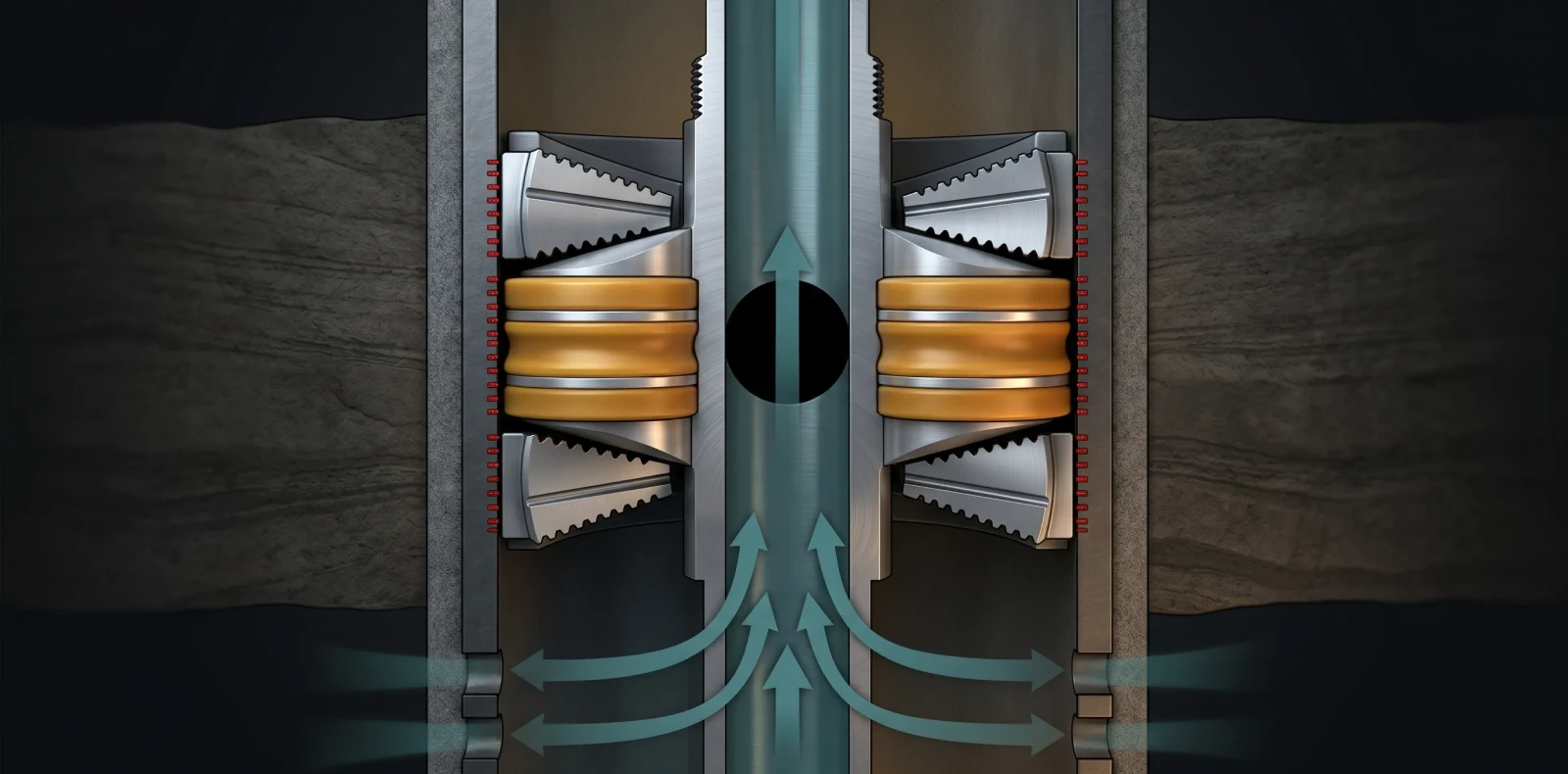
Packer in Well Completion- Functions & How to Select the Right One
Packers are installed in nearly every cased-hole completion worldwide, yet the packer in well completion remains one of the most consequential pieces of downhole hardware to understand. For anyone just trying to understand the basics, the packer is the component that makes controlled production possible by sealing the space between the tubing and the casing.
June 6, 2026
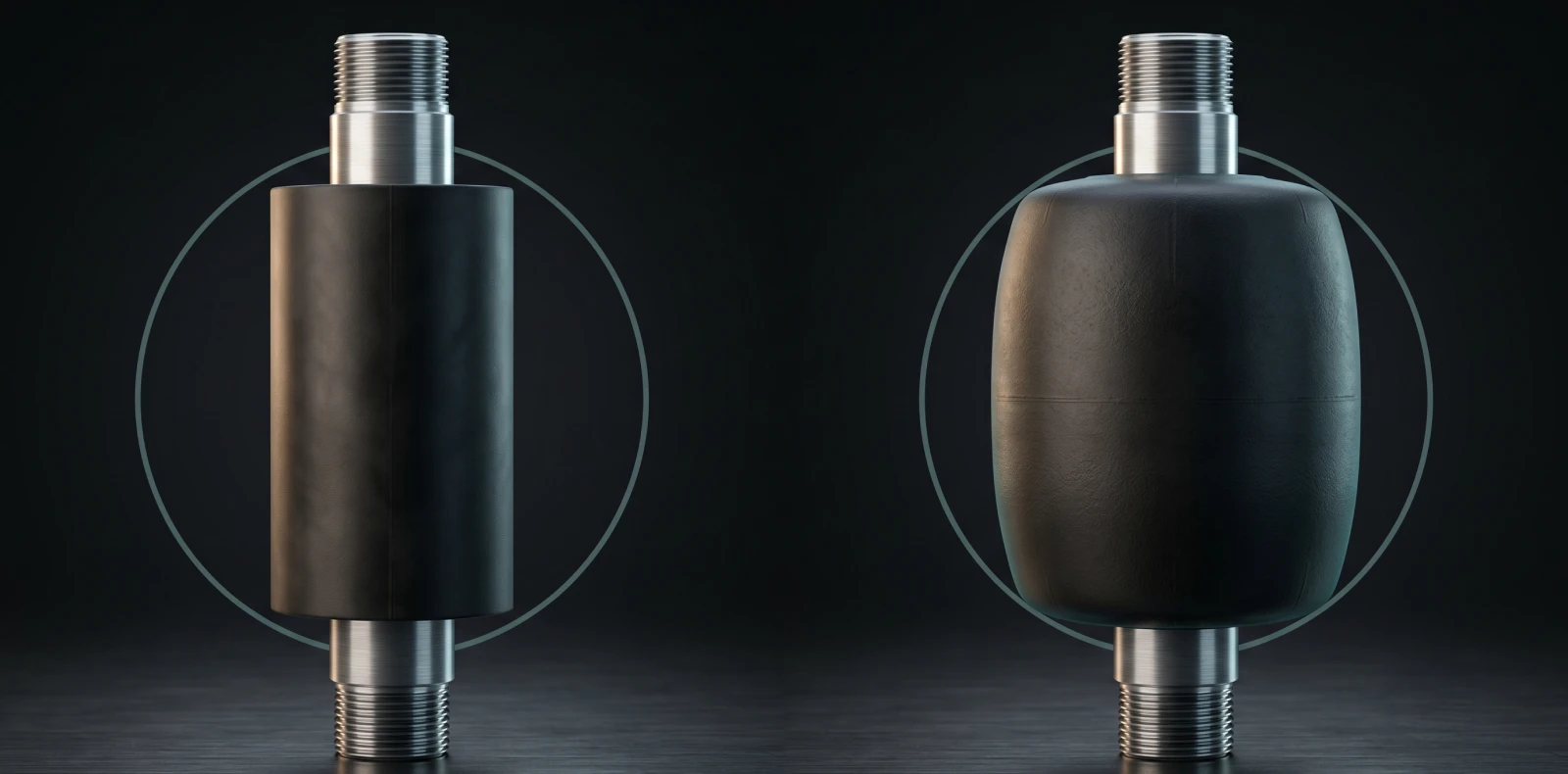
Swellable Packer Applications- Open Hole, HPHT & Water Shutoff Guide
When an operator needs to isolate an open hole section in a horizontal well without cementing, swellable packer applications offer the most direct route to a reliable annular seal. Across open hole zonal isolation, multistage fracturing, and water shutoff, the swellable packer has become the interventionless tool completion engineers reach for when running cement or mechanical packers is impractical or costly
June 6, 2026
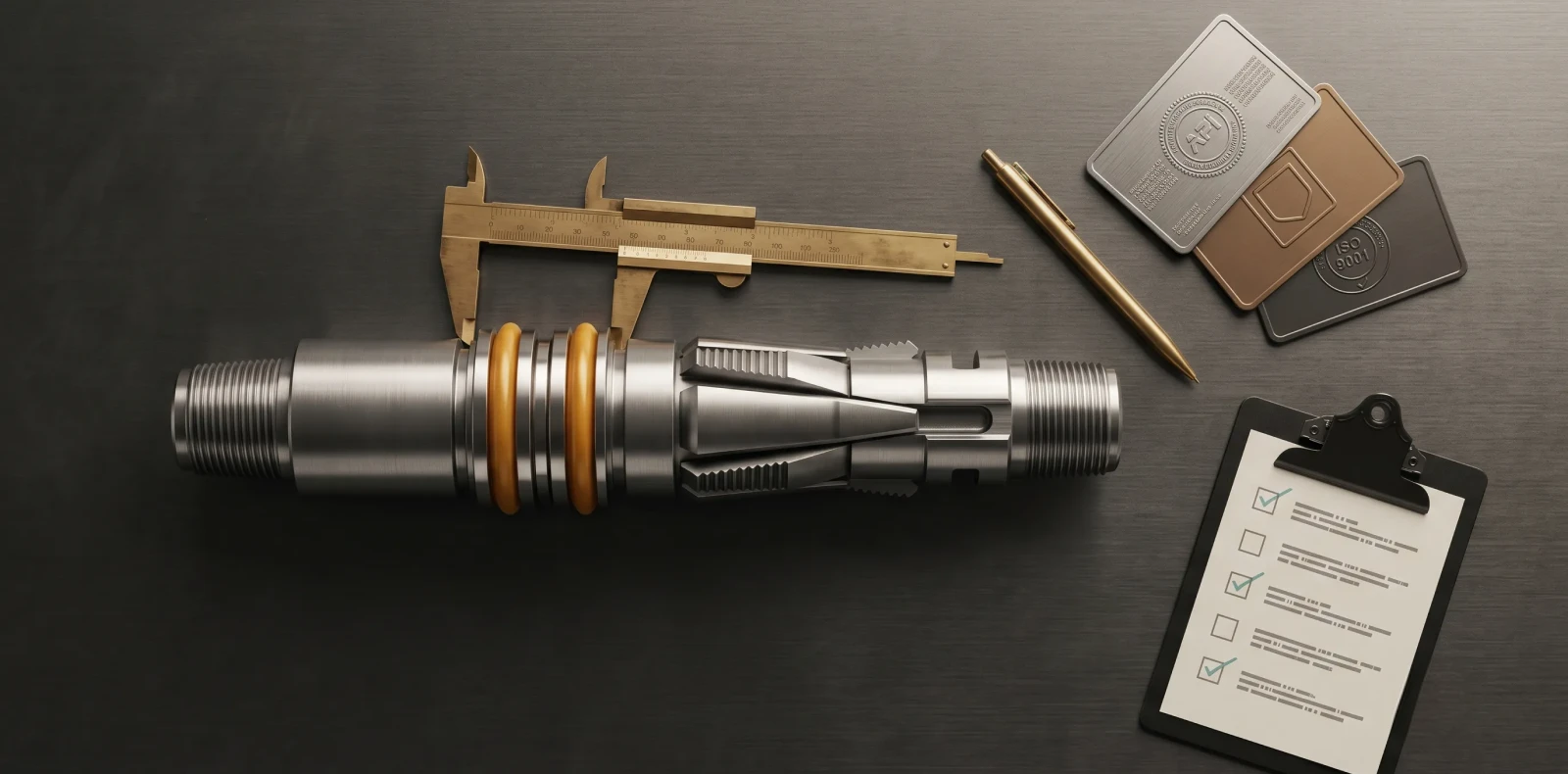
How to Choose an Oilfield Equipment Supplier A Procurement Guide
Choosing the wrong oilfield equipment supplier does not just waste procurement budget; it risks downhole failures that cost ten times the equipment price. Knowing how to choose an oilfield equipment supplier means looking past the catalog and the quotation to the evidence that a vendor can actually deliver safety-critical completion equipment. Procurement engineers who get this right treat the decision as risk management, not purchasing
June 6, 2026