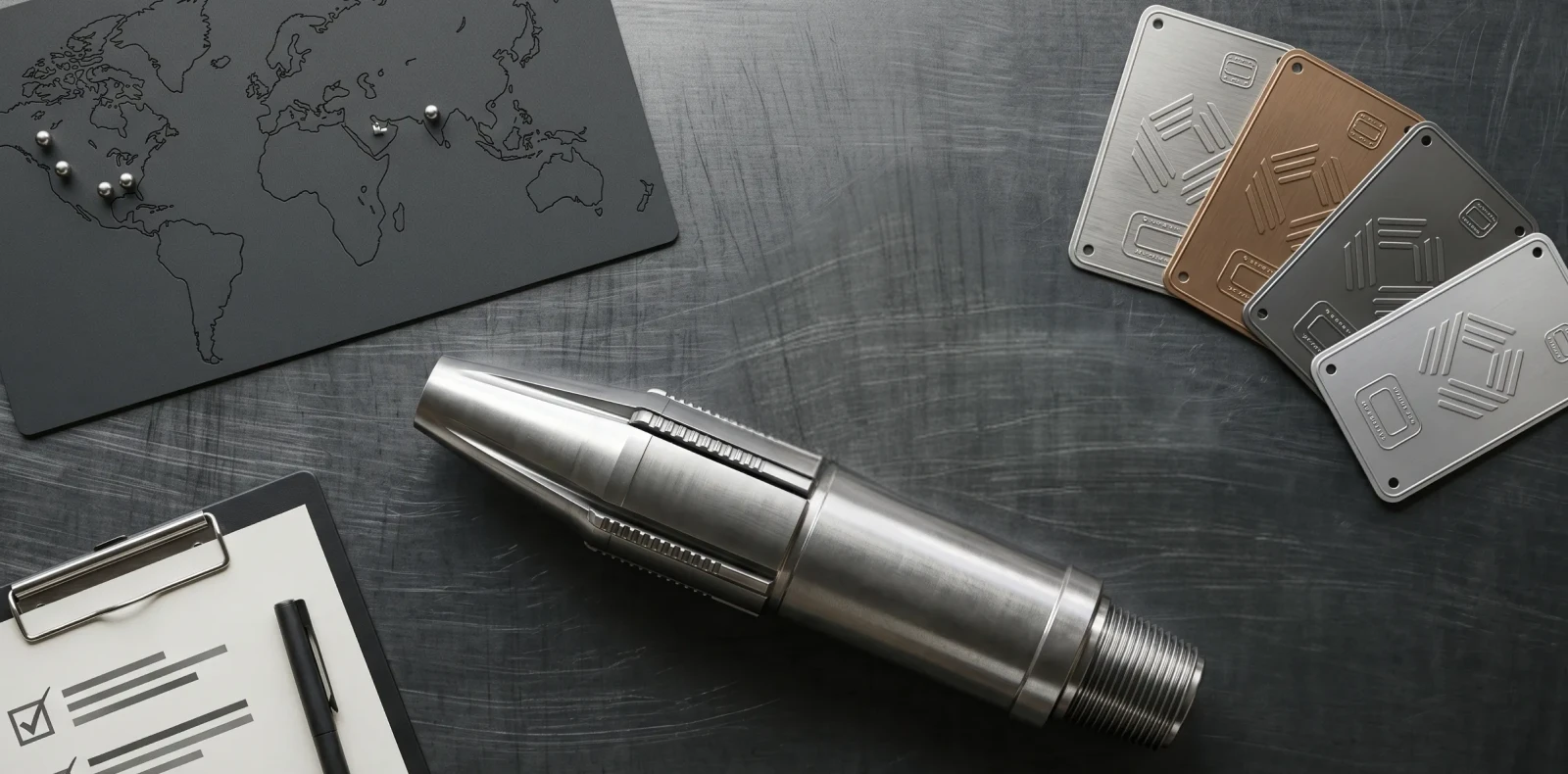
Leading Liner Hanger Manufacturers & Suppliers Global Directory 2026
Liner hanger selection impacts well integrity for the life of the well. This directory compiles the leading liner hanger manufacturers and suppliers globally — eight manufacturers active in the oil and gas sector, evaluated against a single procurement framework so engineering teams can build a credible shortlist without weeks of vendor due diligence.
Liner hanger selection impacts well integrity for the life of the well. This directory compiles the leading liner hanger manufacturers and suppliers globally — eight manufacturers active in the oil and gas sector, evaluated against a single procurement framework so engineering teams can build a credible shortlist without weeks of vendor due diligence.
Procurement teams routinely ask: who are the best liner hanger manufacturers worth shortlisting? Five evaluation criteria apply to every entry below — API Q1 and ISO 14310 certification, in-house testing capability, hydraulic-and-mechanical product range, installation track record, and custom engineering depth. Maximus OIGA is included as one of the eight because it meets each criterion; the listing format is identical for every manufacturer.
Liner hanger manufacturers fall into three tiers: global service companies (Halliburton, Baker Hughes, SLB, Weatherford), specialist independents (Innovex, Packers Plus, Allamon, Nine Energy), and certified regional manufacturers (Maximus OIGA, Wellcare). Selection turns on five evaluation criteria: API Q1 + ISO 14310 certification, in-house testing capability, hydraulic-and-mechanical product range, installation track record, and custom engineering depth.
Selection Criteria — Five-Point Procurement Framework
Procurement engineers consistently ask: which liner hanger manufacturers actually hold API Q1 certification, not just claim ISO 9001? API Q1 is a petroleum-and-natural-gas-specific quality management system — more rigorous than ISO 9001 alone — and the certificate scope must explicitly cover liner hanger systems for the cert to be useful in liner hanger procurement.
ISO 14310 governs the design, verification, and validation grading of packers and bridge plugs, with V0 = gas-tight zero leakage and V3 = liquid leakage acceptable. V0 grading is the highest seal-integrity classification, gas-tight at maximum rated pressure and temperature. The V0/V3 grade should appear on the manufacturer's product datasheet — see the ISO 14310 packer & bridge plug standard for the full grading framework.
The five-criterion framework applied to every manufacturer in this directory:
- Certification: API Q1 (petroleum quality system) and ISO 14310 (V0/V3 grading) — verifiable via the API Q1 monogram licensee directory.
- In-house testing capability: a manufacturer-operated test cell to verify ratings before shipment, rather than outsourced verification.
- Product range: hydraulic, mechanical, and rotating liner hangers under one roof, plus liner top packers and running tools.
- Installation track record: documented field deployments — not marketing language but quantified installations across operators and basins.
- Custom engineering depth: ability to engineer non-standard casing programs, slim-hole or large-bore variants, and special temperature or pressure ratings.
Manufacturer Listings
1. Halliburton
- Overview: Houston-headquartered global service company. The VersaFlex® expandable liner hanger family is the flagship liner hanger product line, with thousands of field-proven installations worldwide.
- Product Range: VersaFlex variants include standard ELH, High-Torque, Low ECD, Big Bore, Breech Lock, XSL, and XtremeGrip.
- Certifications: ISO 14310 V0 gas-tight grading. XtremeGrip is rated above 350°F (177°C).
- Specialization: deepwater and HPHT applications; bi-directional metal-to-metal sealing combined with elastomeric backup.
- Pros: industry-defining expandable liner hanger technology; deep field history; full ELH variant coverage.
- Cons: premium pricing; lead times typical of major service companies; custom engineering for smaller operators is limited.
2. Baker Hughes
- Overview: Houston-headquartered. Offers mechanical, hydraulic, and acoustic-set liner hangers — the acoustic option is rare in the broader market.
- Product Range: CMC mechanical-set (moderate-length, economical), FLEX-LOCK V™ hydraulic with proprietary slip-seat for rotational and demanding applications, HSR 2 hydraulic-set rotating, and Hyflo II hydraulic.
- Certifications: liner top packers qualified per API 11D1 V0 and V3.
- Specialization: full HP/HT range with the unusual acoustic-set option for specific completion environments.
- Pros: broad setting-mechanism portfolio; strong manufacturing depth; long field history.
- Cons: service-major pricing; product configuration cycles can be longer than independents.
Site: Baker Hughes liner hangers (external, nofollow, new tab)
3. Weatherford
- Overview: Houston-headquartered. Liner systems portfolio spans conventional hydraulic-set hangers and the MetalSkin® solid expandable family.
- Product Range: WPHR (Weatherford Premium Hydraulic-Rotating) for conventional applications, and the MetalSkin solid expandable family covering monobore openhole, openhole, and cased-hole configurations. AccuView® planning system supports installation design.
- Certifications: API qualified across the liner systems portfolio.
- Specialization: expandable solid liners — MetalSkin requires no cement and no drillout, post-installation expansion.
- Pros: leadership in solid expandable liner technology; integrated planning software for the WPHR family.
- Cons: expandable liner systems carry higher unit cost and require operator familiarity with the install procedure.
4. Innovex International
- Overview: Houston-headquartered. Following the 2024 Dril-Quip merger, Innovex now combines the Ranger and Scout product lines with the XPak large-bore expandable liner hanger.
- Product Range: Ranger Liner Hanger (heavy-duty rotating hydraulic with pocketed slip system), Scout Liner Top Packer, mechanical and hydraulic running tools, and the XPak large-bore expandable liner hanger added through the Dril-Quip merger.
- Certifications: Scout Liner Top Packer rated V0 to 10,000 PSI and V3 to 12,500 PSI.
- Specialization: heavy-duty rotating systems combined with large-bore expandables — the XPak completed its first 18-inch by 22-inch run in the Gulf of Mexico.
- Pros: strong rotating + expandable combination after the Dril-Quip merger; leading deepwater large-bore reference.
- Cons: post-merger product integration is still maturing; some legacy TIW catalog items remain in transition.
5. Nine Energy Service
- Overview: Houston-headquartered. The REGEN™ Liner Hanger is a slim-hole design optimised for cemented and uncemented restimulation.
- Product Range: REGEN slim-hole liner hanger as the focused product line.
- Certifications: API certified.
- Specialization: well restimulation and pump-rate maximisation in unconventional refrac applications.
- Pros: single-product focus drives installation reliability for the slim-hole/restim use case.
- Cons: narrow product range — operators with diverse completion programs may need a second supplier for non-restim applications.
6. Packers Plus
- Overview: Calgary-headquartered. Liner hanger systems and liner top packers built around multistage and unconventional completion designs.
- Product Range: liner hanger systems and matching liner top packers, designed to reduce operational risk and optimise well performance.
- Certifications: API certified.
- Specialization: multistage and unconventional plays — strong in shale completion environments.
- Pros: purpose-built for multistage workflows; deep North American unconventional reference base.
- Cons: less depth in conventional vertical or HPHT deepwater liner programs.
7. Allamon Tool Company
- Overview: Houston-headquartered independent (ATC). Hydraulic Liner Hanger product line with dedicated installation crews available.
- Product Range: hydraulic liner hangers as the core product line.
- Certifications: industry standard.
- Specialization: hydraulic liner hangers with installation-crew support — useful for operators that want vendor-supervised installation.
- Pros: vendor installation support reduces operator field-engineering load; strong stated success rate.
- Cons: narrower product range; primarily hydraulic — operators needing mechanical or rotating variants will need a second supplier.
8. Wellcare Oil Tools
- Overview: Headquartered in Alwar, Rajasthan, India. Offers hydraulic and mechanical-set, rotating and non-rotating liner hangers under the WC-CSLH and FURL-LOCK product names.
- Product Range: WC-CSLH (5-inch to 7-inch liner OD, 7-inch to 9-5/8-inch casing, 80,000 to 110,000 PSI yield strength body), FURL-LOCK Mechanical Set with integrated packer (V0 grade, 0–400°F, up to 10,000 PSI), and a Non-Cemented Liner Hanger Packer.
- Certifications: ISO 9001, ISO 14001, and ISO 45001. No public evidence of API Q1 certification at time of publication.
- Specialization: India-domestic supplier with V0-graded FURL-LOCK and broad downhole catalogue beyond liner hangers.
- Pros: competitive India-domestic pricing; published V0 grading on FURL-LOCK.
- Cons: Wellcare's liner hanger product line is explicitly listed as for-sale in India and Iran only (per the company's published profile) — material restriction for procurement teams in any other geography. No public API Q1 evidence.
Featured: Maximus OIGA
- Overview: Maximus OIGA is a well completion specialist headquartered in Vadodara, Gujarat, India, founded in 2011 and operating from the Manjusar facility. The company manufactures a complete liner hanger family covering hydraulic, mechanical, and rotating setting mechanisms — depth over breadth, focused on completion equipment.
- Product Range — liner hangers: Quartus QHH (hydraulic-set, ball-on-landing-collar), Quartus MSL (mechanical-set, J-slot, single or dual cone), Quartus RLH (rotating, hydraulic and mechanical versions, heavy-load bearing for long liners), Quartus Liberty (single-cone for short/medium liners; dual-cone for medium/long), Magnus QLH liner-hanger-packer combo for one-trip installations, and Max Dual Cone Hydraulic Liner Hanger covering 3-1/2-inch to 20-inch sizes rated up to 10,000 PSI.
- Product Range — SpectraMax accessories: Tie Back Packer, Liner Top Packer, Polished Bore Receptacle, Setting Sleeves (MSS-N, MSS-RH1), RH Running Tool, Hydraulic Release Running Tool, plus Max Pocket Slip Hydraulic Liner Hanger with LTP and auxiliary tooling (Clean Out Blade Mill, Debris/Junk Screen, Casing Liner Wiper Plug, Hydro-Trip Pressure Sub).
- Certifications: API Q1, ISO 14310, ISO 9001 — covering well completion equipment including liner hanger systems.
- Specialization & Track Record: well completion specialist with hydraulic, mechanical, and rotating options from one supplier — the differentiating advantage versus single-mechanism specialists. In-house test cell at the Vadodara facility verifies ratings before shipment, with material traceability documentation (MTR, inspection reports, V0 verification reports) shipped against every order. 200-plus installations across India, the Middle East, and Southeast Asia.
- Pros: full hydraulic + mechanical + rotating coverage; in-house testing; geographic availability across India, Middle East, and Southeast Asia (broader than Wellcare's India-and-Iran restriction).
- Cons: newer entrant relative to the global service majors; manufacturing operations are India-based, which may add freight lead-time for North American or West African projects.
View the full Maximus OIGA liner hangers catalogue and request datasheets, MTRs, or a custom configuration on the dedicated page.
Need expert guidance on the right solution?
Talk to our engineers about your project requirements.
Summary Comparison Table
If you are building a shortlist for your procurement committee, the table below condenses the field. All eight manufacturers are listed in the same row format so the procurement evaluation criteria can be compared side by side.
| Manufacturer | HQ | Certifications | Product Range | Specialization | Key Differentiator |
|---|---|---|---|---|---|
| Halliburton | Houston, TX, USA | API / ISO certified | VersaFlex ELH family (7+ variants) | Expandable, deepwater, HPHT | First fully engineered ELH; XtremeGrip V0-tested above 350°F |
| Baker Hughes | Houston, TX, USA | API 11D1 V0 + V3 | Mechanical, hydraulic, acoustic-set; CMC, FLEX-LOCK V, HSR 2, Hyflo II | Full HP/HT range | Acoustic-set option (rare in market) |
| Weatherford | Houston, TX, USA | API qualified | WPHR conventional + MetalSkin solid expandable family | Expandable solid liners | MetalSkin no-cement / no-drillout expandable |
| Innovex | Houston, TX, USA | API certified | Ranger / Scout + XPak (post-Dril-Quip merger) | Heavy-duty rotating + large-bore expandable | XPak first 18″×22″ deepwater run; Scout V0 to 10K PSI |
| Nine Energy Service | Houston, TX, USA | API certified | REGEN slim-hole liner hanger | Restimulation / slim-hole | Single-product specialisation for unconventional refrac |
| Packers Plus | Calgary, AB, Canada | API certified | Liner hanger systems + liner top packers | Multistage / unconventional | Unconventional play depth |
| Allamon Tool Co. | Houston, TX, USA | Industry standard | Hydraulic liner hangers | Hydraulic + installation crew support | Vendor installation support reduces operator field load |
| Wellcare Oil Tools | Alwar, Rajasthan, India | ISO 9001 / 14001 / 45001 (no public API Q1) | WC-CSLH, FURL-LOCK, Non-Cemented | India-domestic specialist | Lowest-cost India-domestic; LH SALES RESTRICTED to India + Iran |
| Maximus OIGA (Featured) | Vadodara, Gujarat, India | API Q1 + ISO 14310 + ISO 9001 | Quartus QHH/MSL/RLH/Liberty + Magnus QLH + SpectraMax LTP/PBR/Setting Sleeves | Well completion specialist | API Q1 certified; 200+ installations India / ME / SE Asia; hydraulic + mechanical + rotating |
Frequently Asked Questions
How do I verify a liner hanger manufacturer's API Q1 certification?
API Q1 is not the same as ISO 9001. Q1 is the American Petroleum Institute's quality management system specifically for the petroleum and natural gas industry, and it is more rigorous than generic ISO 9001 in scope and audit depth. To verify a manufacturer's Q1 status, search the API monogram licensee directory at api.org by company name or certificate number. Then ask the manufacturer for the certificate scope — the certified product categories — because a Q1 certificate that excludes liner hangers is not useful for liner hanger procurement. Maximus OIGA holds API Q1 covering well completion equipment including liner hanger systems.
What's the difference between hydraulic and mechanical liner hangers?
A mechanical liner hanger uses a J-slot mechanism that is disengaged by picking up and rotating the liner string; the cone then forces the slips outward against the casing wall. Mechanical hangers are cost-effective and best suited to vertical or low-deviation wells where rotation is reliable. A hydraulic liner hanger uses a ball seated on the landing collar — applied pressure shears pins in the setting piston and pushes the slips up around the cone. Hydraulic hangers require no rotation and are preferred for high-deviation, horizontal, and extended-reach wells. Selection depends on deviation angle, liner length, and ability to rotate the string. Most modern unconventional and horizontal wells favour hydraulic. Maximus OIGA covers both with the Quartus QHH (hydraulic), Quartus MSL (mechanical), and Quartus RLH (rotating, hydraulic and mechanical versions).
What is a PBR (Polished Bore Receptacle) in a liner hanger system?
A polished bore receptacle is a high-precision honed-bore section of pipe with tight manufacturing tolerances at the top of the liner hanger assembly. Its function is to provide a smooth, sealable bore for a tieback seal stinger — enabling the production tubing or tieback string to land into and seal against the liner top without leaks. The top end is typically chamfered to ease entry of running tools. The SpectraMax Polished Bore Receptacle is part of the Maximus OIGA SpectraMax accessory line.
Why does a manufacturer's in-house test facility matter when buying liner hangers?
Liner hanger ratings — V0/V3 per ISO 14310, hang weight, burst, collapse — must be empirically verified, not just calculated. An in-house test facility lets the manufacturer validate every product family against its rated conditions before shipment. Outsourced testing introduces lead-time risk and verification gaps; in-house testing also enables custom validation runs for unusual casing programs. Procurement check: ask the manufacturer for test cell pressure and temperature capability, plus a sample test certificate format (MTR, inspection report, V0 verification report). Maximus OIGA operates an in-house test cell at the Vadodara facility, with material traceability documentation shipped against every order.
Request Liner Hanger Specifications
Need to formalise the shortlist for your procurement committee? Request the Maximus OIGA spec sheet to add to your evaluation pack. Ready to evaluate Maximus OIGA for your project? View the full Quartus and SpectraMax liner hanger range, request datasheets, or get a custom quote — our completion engineering team responds with technical specifications, MTRs, and pricing within two working days.
Related Blogs
More Information
Related News & Insights
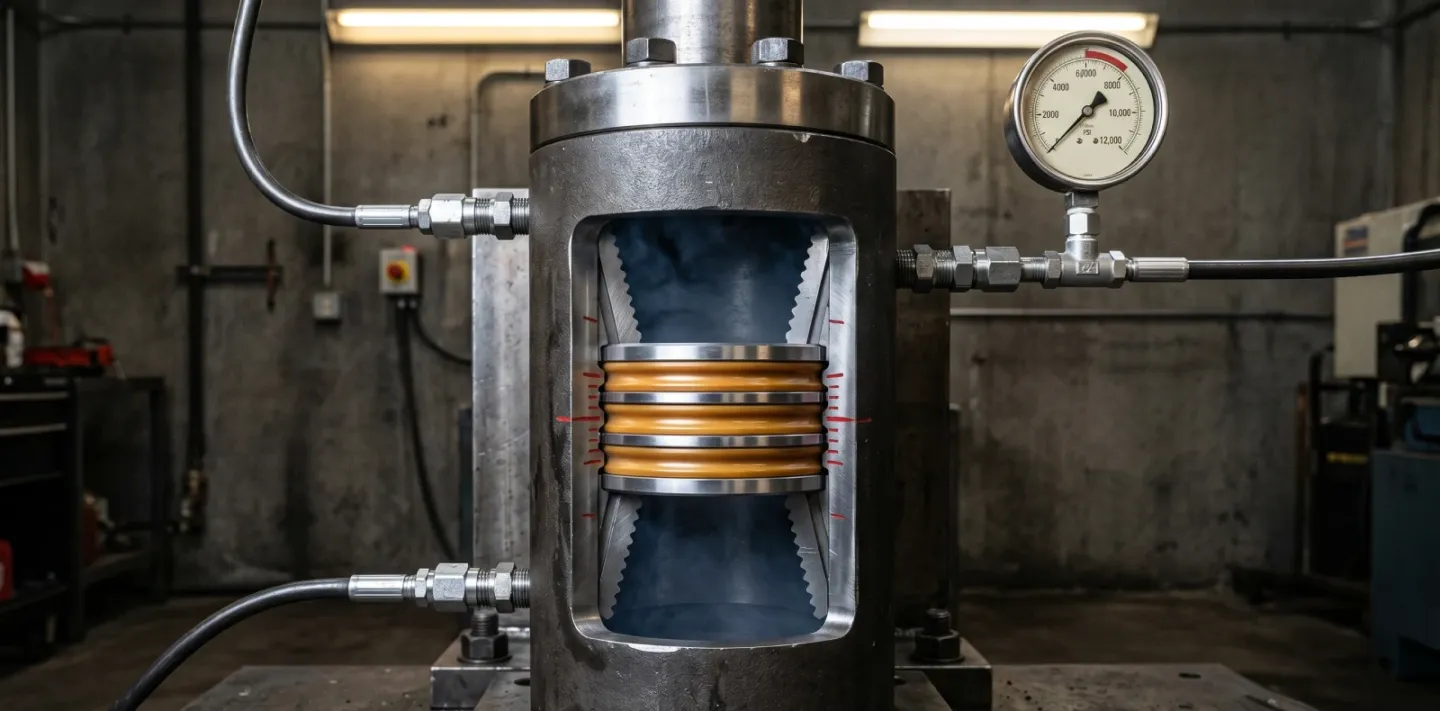
ISO 14310 & API 11D1 Validation Grades: V6 to V0 Explained
Many engineers assume a higher V-number means a tougher packer. It is the opposite. Under ISO 14310 packer validation grades, the scale runs from V6, the minimum, down to V0, the most demanding gas-tight grade — so a lower number means more severe testing, not less. For anyone just trying to understand the basics, that inversion is where most confusion starts.
June 8, 2026
Intelligent Well Completion: Systems, Components and Equipment
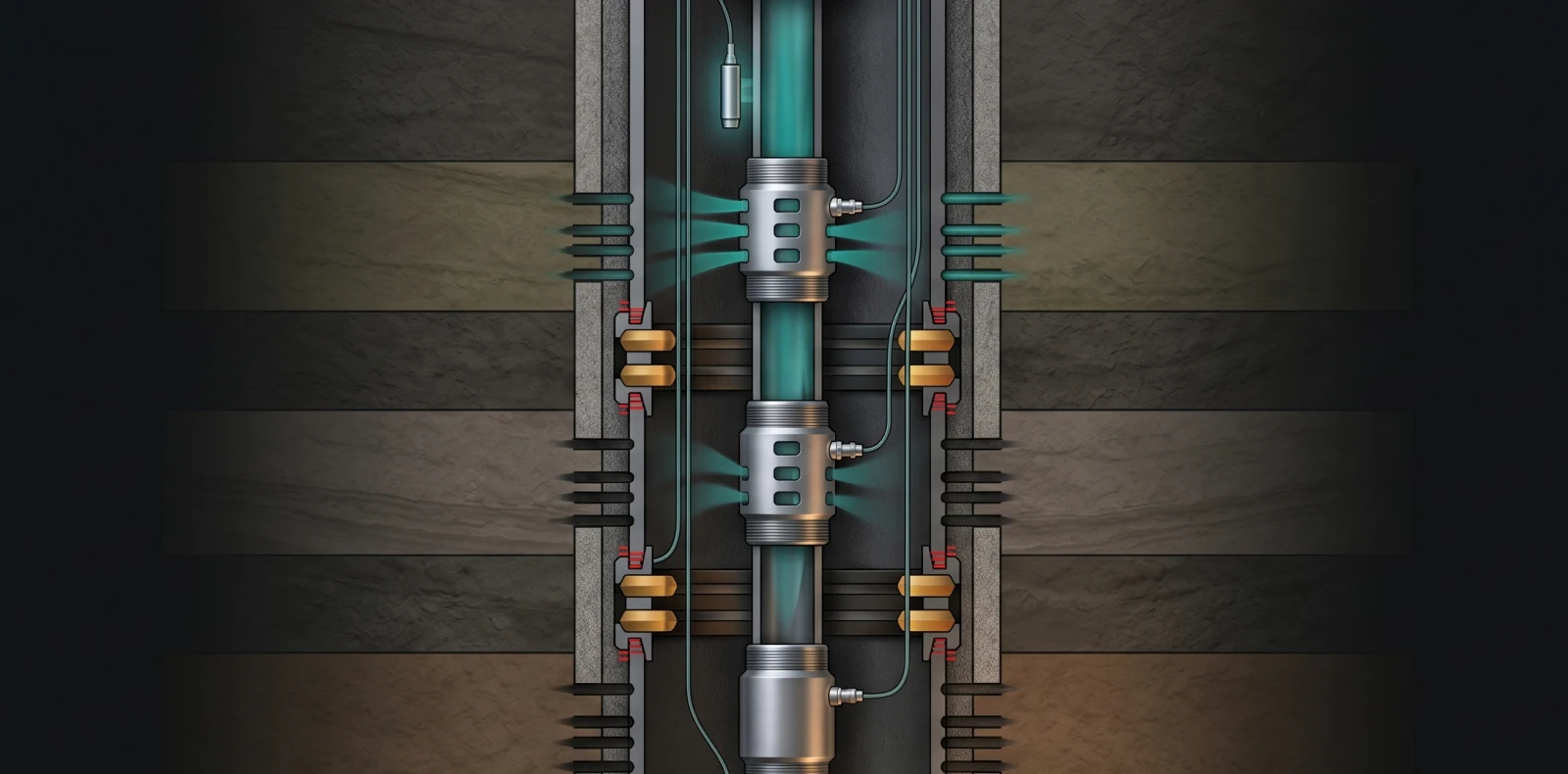
Imagine adjusting flow from each zone of a multi-zone reservoir in real time, from surface, without ever sending a rig downhole. That is the promise of intelligent well completion, and for an engineer just trying to understand the basics, the concept is more concrete than the marketing suggests once you see how the pieces connect.
June 8, 2026
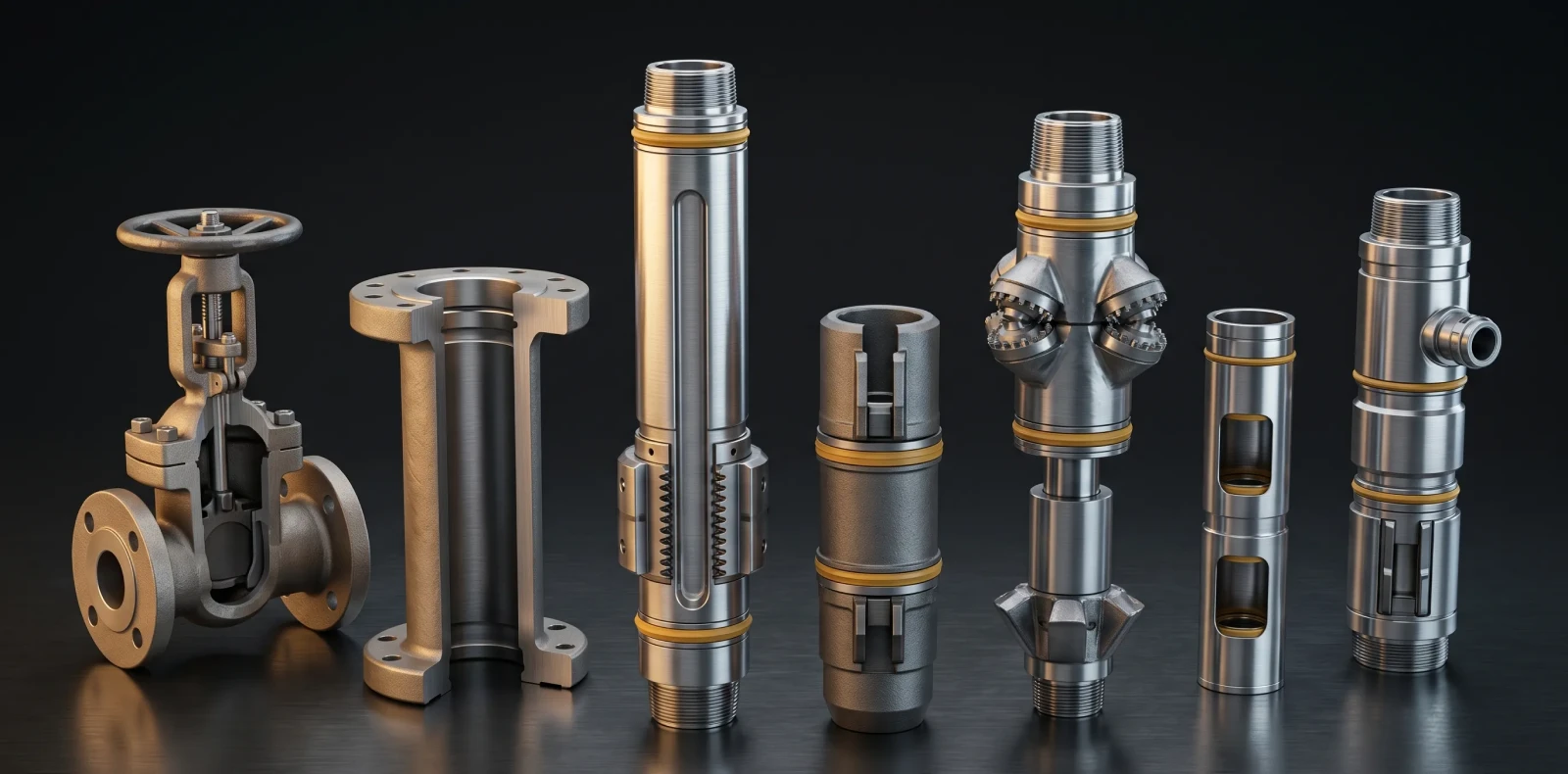
Oil & Gas Equipment Companies in India: Manufacturer Directory 2026
Navigating India's oilfield equipment landscape is challenging without a comprehensive directory, and procurement teams asking "who are the best manufacturers for this?" often lose weeks to vendor research. This directory profiles the key oil and gas equipment companies in India with verified capabilities, so you can build a qualified shortlist faster.
June 8, 2026
Liner Hanger Types & Selection: Complete Engineering Reference
What type of liner hanger does your well design require? The answer depends on setting depth, liner weight, and whether hydraulic or mechanical actuation suits the hole. For an engineer just trying to understand the basics, the liner hanger types break down into three categories — and knowing how they differ is the first step toward specifying the right one.
June 6, 2026
Packer in Well Completion- Functions & How to Select the Right One
Packers are installed in nearly every cased-hole completion worldwide, yet the packer in well completion remains one of the most consequential pieces of downhole hardware to understand. For anyone just trying to understand the basics, the packer is the component that makes controlled production possible by sealing the space between the tubing and the casing.
June 6, 2026
Swellable Packer Applications- Open Hole, HPHT & Water Shutoff Guide
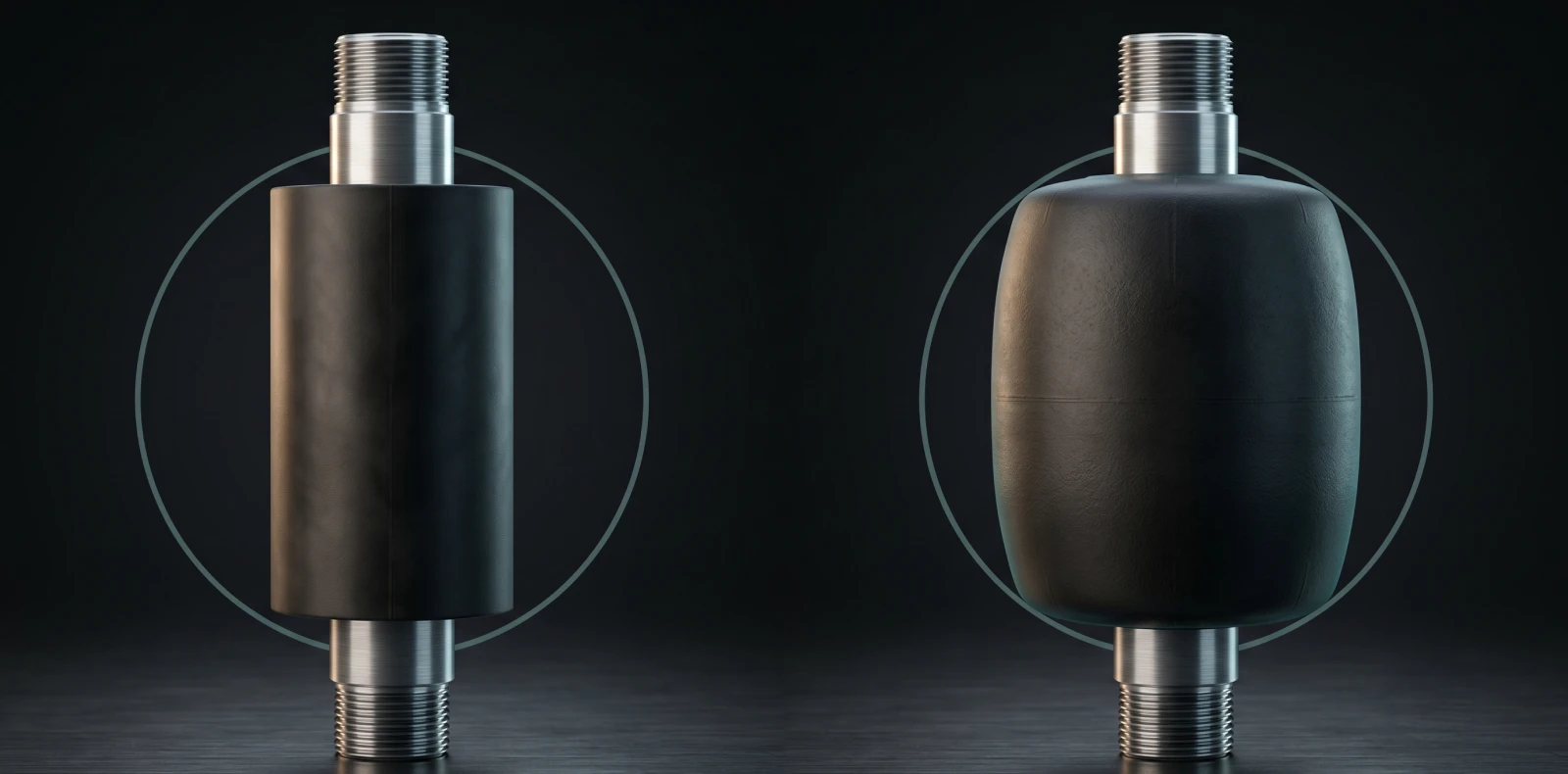
When an operator needs to isolate an open hole section in a horizontal well without cementing, swellable packer applications offer the most direct route to a reliable annular seal. Across open hole zonal isolation, multistage fracturing, and water shutoff, the swellable packer has become the interventionless tool completion engineers reach for when running cement or mechanical packers is impractical or costly
June 6, 2026
How to Choose an Oilfield Equipment Supplier A Procurement Guide
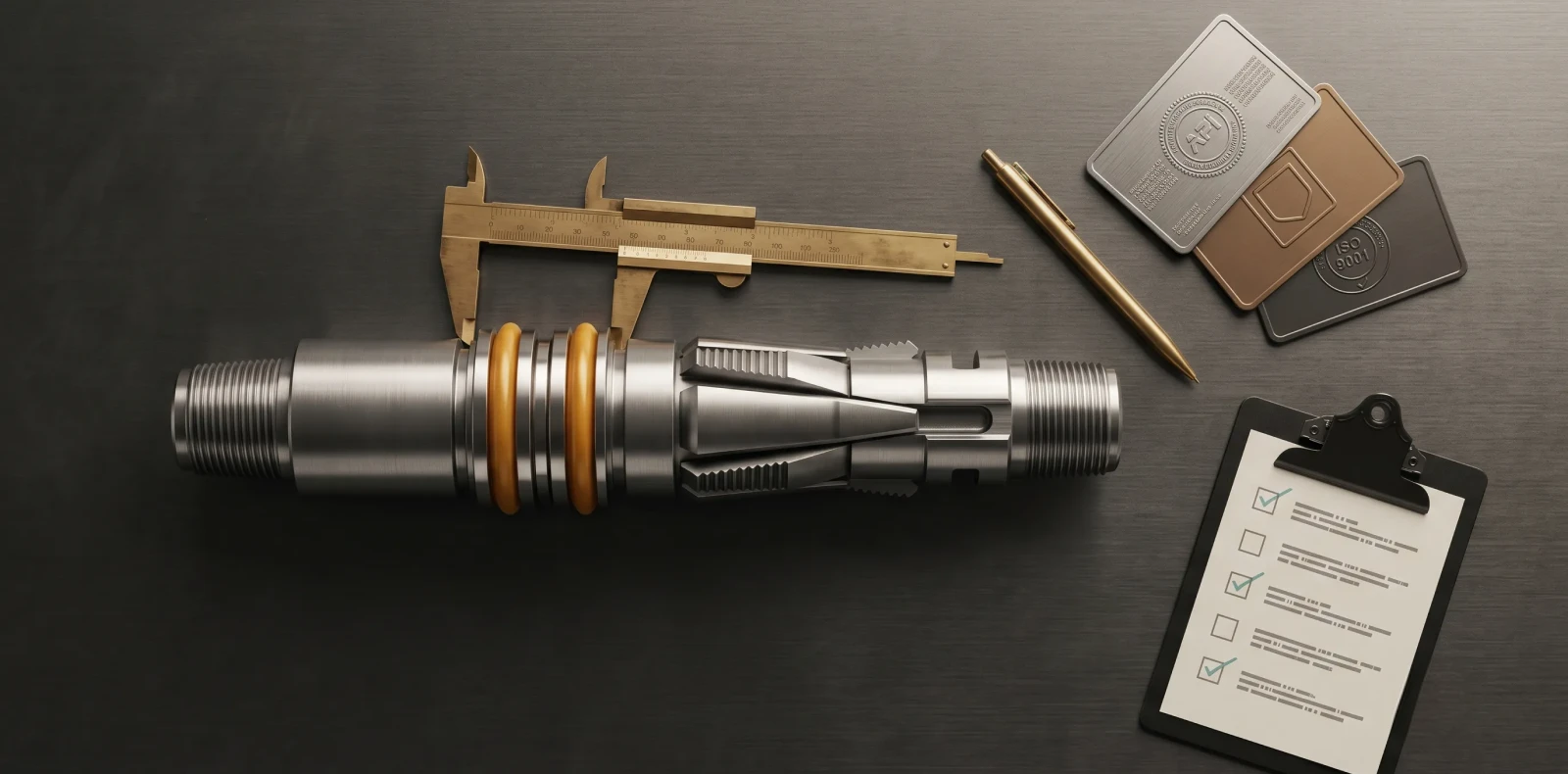
Choosing the wrong oilfield equipment supplier does not just waste procurement budget; it risks downhole failures that cost ten times the equipment price. Knowing how to choose an oilfield equipment supplier means looking past the catalog and the quotation to the evidence that a vendor can actually deliver safety-critical completion equipment. Procurement engineers who get this right treat the decision as risk management, not purchasing
June 6, 2026
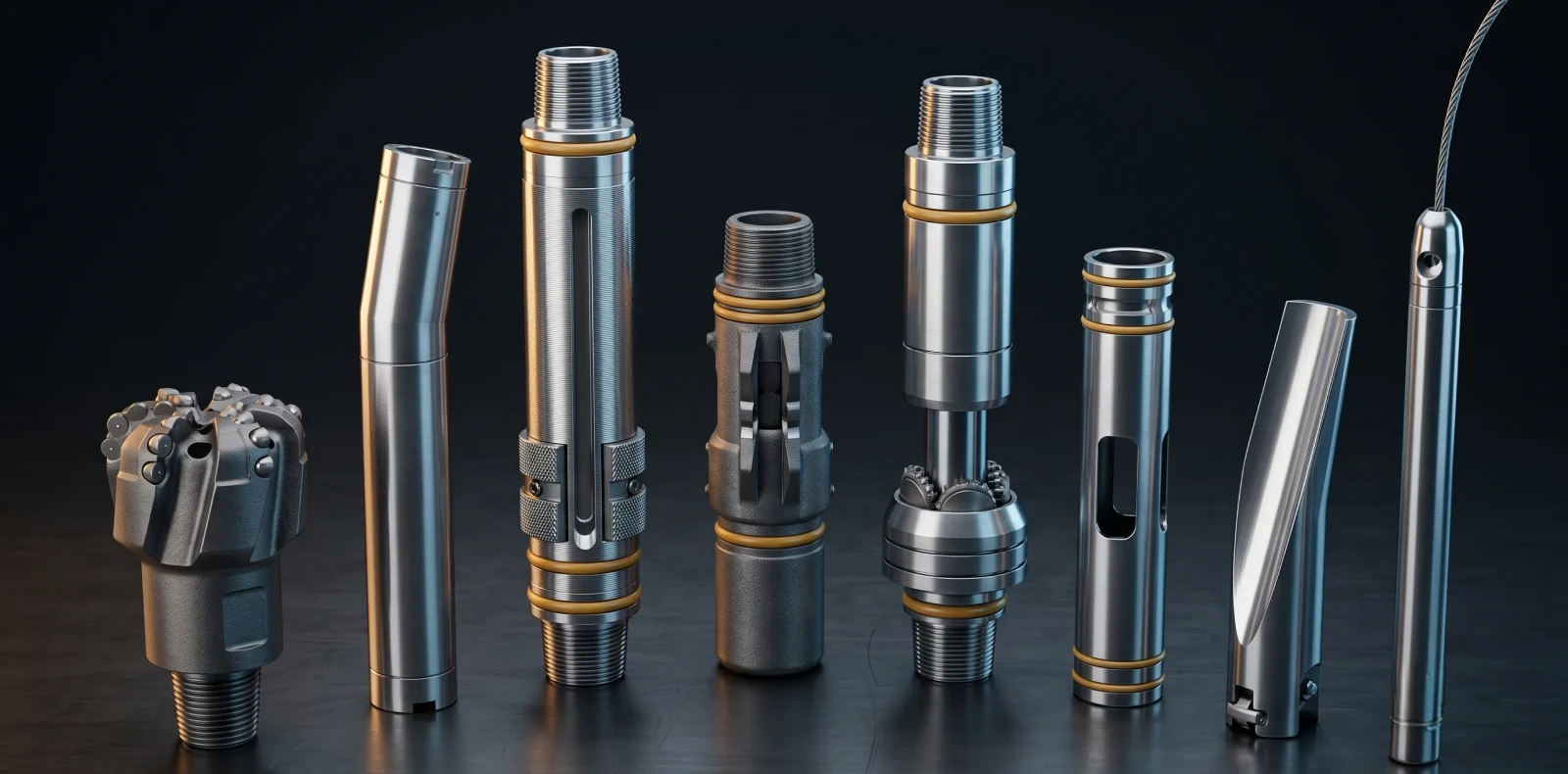
Top Downhole Tool Manufacturers & Suppliers 2026 Global Guide
The global downhole tools market exceeds 5 billion US dollars annually, and the list of companies claiming to serve it is far longer than any procurement team has time to vet. This guide narrows the field: it covers how to evaluate a downhole tool manufacturer, then profiles the global majors, the India-based OEMs, and Maximus OIGA — fairly, with real pros and cons, so you can build an RFQ shortlist without months of vendor research.
June 6, 2026
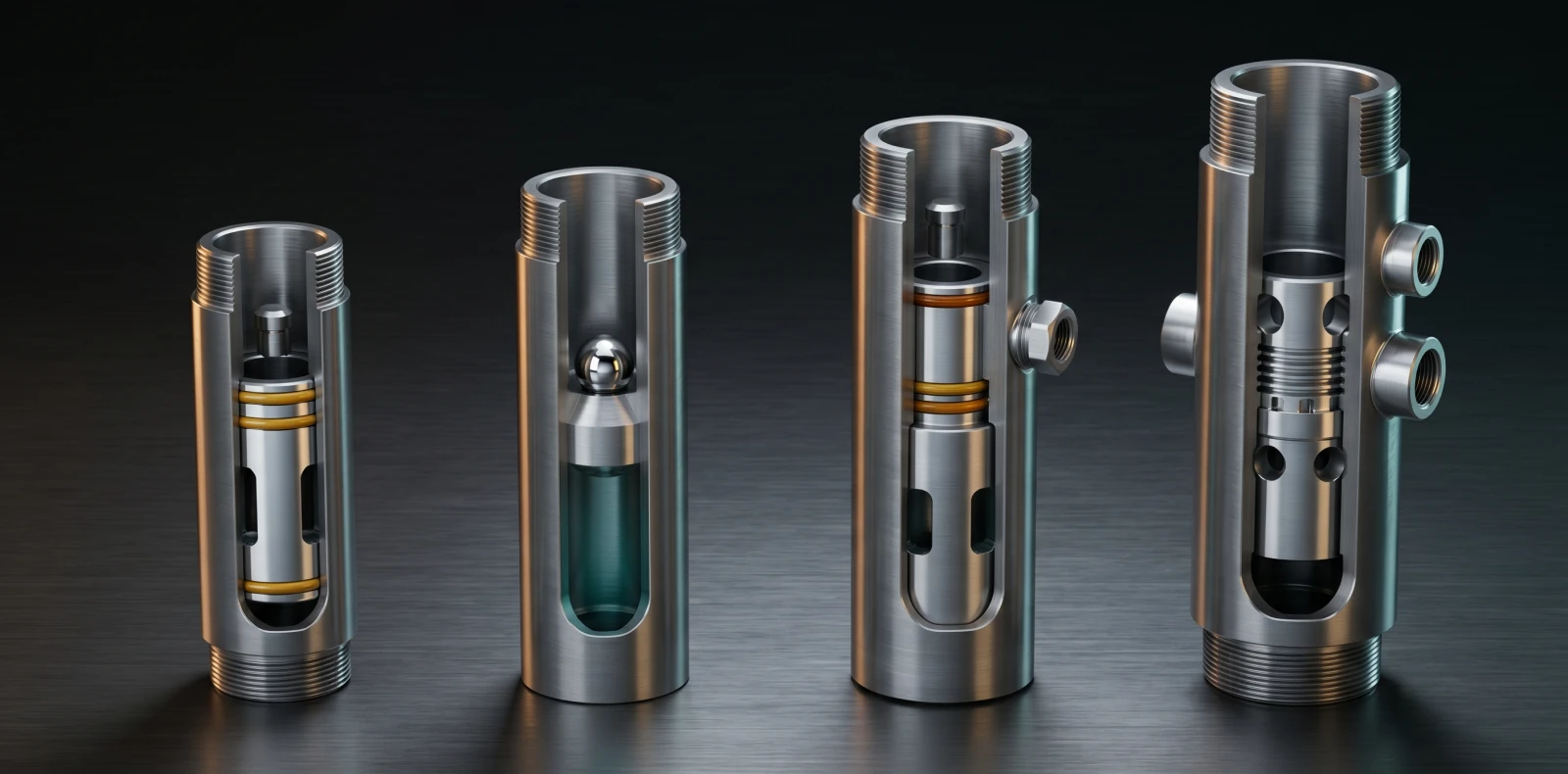
Sliding Sleeve Applications in Well Completion Types & Selection Guide
Sliding sleeves have evolved from simple open/close mechanisms into precision multi-zone flow control devices, and understanding their applications is now central to modern well completion design. This guide covers what a sliding sleeve does, the main types, real downhole applications, and how to select the right one — written for engineers trying to understand the basics and go a level deeper, not for a sales pitch.
June 6, 2026
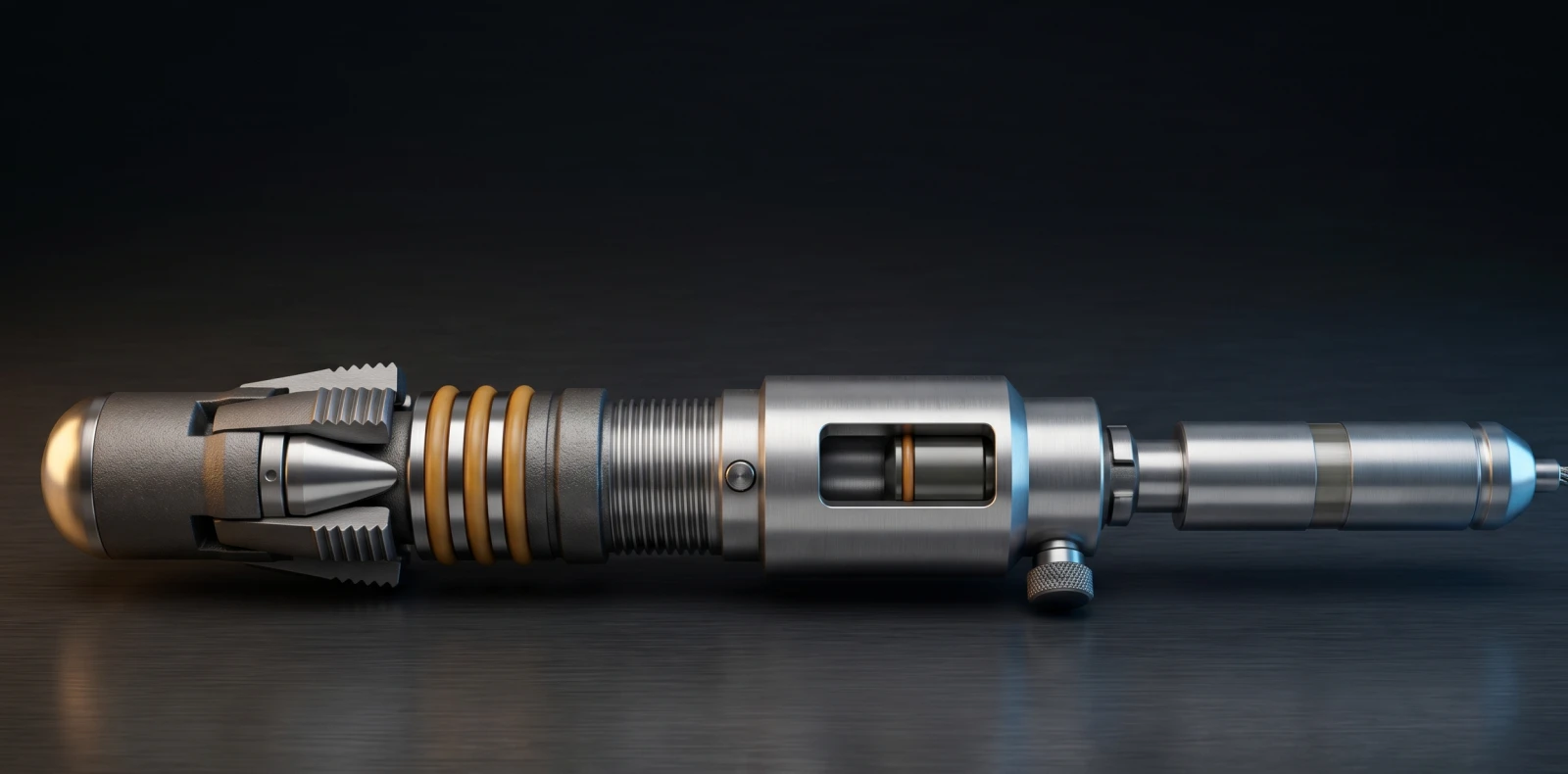
Bridge Plug Setting Procedure Step-by-Step Guide for Wireline Operations
How do you properly set a bridge plug using wireline? This step-by-step procedure covers tool string assembly, depth correlation, setting tool activation, and pressure testing for confirmed well isolation. It is written for field engineers who need the exact sequence right the first time, with 200+ Maximus OIGA installations across India, the Middle East, and Southeast Asia behind it
June 6, 2026