The Future of Oil Well Completion: Trends to Watch in 2026 and Beyond
Seven well completion technologies and trends shaping oil and gas in 2026, from smart wells and green completions to new materials and market shifts.
Introduction
As the oil and gas industry evolves, new technologies and sustainable practices are reshaping how wells are completed. Advances in well completion sit at the center of that change, because they set how much a well produces and at what cost. From smart wells and AI-assisted operations to green completions and new materials, the trends below point to where well completions are heading. This article covers the key trends expected to shape well completions in 2026 and beyond, and what they mean for operators planning the next round of wells.
Contents
- Rising Importance of Smart Wells and Digitalization
- Sustainability in Well Completions
- Advancements in Completion Equipment and Materials
- Challenges in Complex Reservoirs
- Cutting-Edge Technological Innovations
- The Role of Global Market Dynamics
- Conclusion
1. Rising Importance of Smart Wells and Digitalization
The clearest completion trend for 2026 is how quickly smart well setups are moving from pilot projects to standard practice on new wells. The shift is less about any single device and more about digitalization: operators want live downhole data feeding decisions in days rather than months. Three directions stand out for 2026. Wellsite analytics are reading pressure and flow data on location instead of only at a remote center. Automated, remote zonal control is becoming an expected feature rather than a premium one. And AI models are moving from failure prediction into day-to-day production scheduling. The focus here is where the field is heading, not the mechanics of how a smart completion is built.
Key Components of Smart Wells:
| Component | Benefit |
| Downhole Sensors | Real-time measurement of temperature, pressure, and flow rate. |
| Intelligent Valves | Remote adjustments to enhance production optimization. |
| AI Analytics | Predict equipment failures and optimize production schedules. |
For example, platforms like Halliburton’s Intelevate™ enable real-time decision-making, improving operational efficiency while minimizing risks.
2. Sustainability in Well Completions
Sustainability has become a cornerstone of the oil and gas sector, with well completions adopting eco-friendly technologies to reduce environmental impact.
Green Completion Techniques:
- Zero-Flaring Systems: Capture and reuse natural gas during completions, reducing emissions.
- Water Recycling: Treat and reuse fracturing water to minimize freshwater consumption.
- Carbon Capture: Integrate carbon capture technologies to lower greenhouse gas output
Benefits of Sustainable Practices:
| Technique | Impact |
| Zero-Flaring | Reduces methane and CO2 emissions. |
| Water Recycling | Conserves water resources. |
| Carbon Capture | Lowers carbon footprint. |
These practices not only address regulatory requirements but also enhance the industry’s social license to operate.
3. Advancements in Completion Equipment and Materials
The need to operate in high-pressure, high-temperature (HPHT) environments has spurred innovations in completion equipment and materials. Advanced designs ensure reliability and efficiency even in challenging conditions.
Key Innovations:
- Expandable Tubular Technology: Improves well integrity and reduces operational costs by eliminating traditional casing connections.
- Gravel Packing Systems: Prevent sand entry into the wellbore, protecting equipment and maintaining flow rates.
- Advanced Alloys: Corrosion-resistant materials enhance equipment longevity in harsh environments.
These innovations lower maintenance costs and extend the operational life of wells, proving invaluable for operators managing complex reservoirs.
4. Challenges in Complex Reservoirs
As conventional oil reserves deplete, exploration is shifting to unconventional and remote reservoirs. These require tailored solutions to overcome geological and operational challenges.
Notable Strategies:
- Multilateral Wells: Access multiple reservoirs from a single wellbore, reducing costs and increasing hydrocarbon recovery
- Extended Reach Drilling (ERD): Enables production from remote reserves without additional infrastructure.
- Sand Control Technologies: Deploy chemical treatments and expandable screens to maintain well integrity.
5. Cutting-Edge Technological Innovations
The oil and gas industry is increasingly adopting autonomous systems and AI-driven tools to improve efficiency and safety during well completions.
Key Innovations:
| Technology | Benefit |
| Autonomous Robots | Perform inspections and repairs in hazardous zones. |
| AI-Powered Maintenance | Predict failures and schedule maintenance proactively. |
| Digital Twin Technology | Simulate well completions to optimize processes. |
These advancements streamline operations, reduce errors, and improve the decision-making process.
6. The Role of Global Market Dynamics
The global well completion market is expected to grow at a CAGR of 3.8%, reaching $13.5 billion by 2026. This growth is driven by increased exploration, especially in emerging markets, and advancements in technology.
Influencing Factors:
- Rising Energy Demand: Developing economies in Asia and Africa are driving demand for oil and gas.
- Regulatory Compliance: Stricter environmental regulations push companies toward sustainable solutions.
- Price Volatility: The need to balance costs while investing in advanced technologies.
By aligning with these dynamics, companies can stay competitive in a rapidly evolving market.
7. Conclusion
The future of oil well completions is being shaped by a confluence of technology, sustainability, and innovation. Companies that embrace smart technologies, adopt sustainable practices, and invest in R&D will position themselves as industry leaders.
Key Takeaways:
- Smart Wells and AI will drive operational efficiency.
- Sustainable Practices will address environmental challenges.
- Material and Equipment Innovations will unlock complex reservoirs.
As the industry moves toward 2026 and beyond, the focus will remain on balancing profitability with environmental responsibility.
Related Blogs
More Information
Related News & Insights
Coiled tubing tools
Coiled tubing tools fall into three groups, and this guide covers the completion tools coiled tubing sets: bridge plugs, cement retainers and packers. It explains how coiled tubing changes reach and setting force, how to choose between the three, and the six details a quote needs. Maximus OIGA Private Limited builds these SpectraMax tools to order at its Manjusar / Savli plant in Vadodara but does not supply the coiled tubing or run the job. SpectraMax lead time bands run 1 to 4, 4 to 12, and 8 to 16 weeks or more by product class.
September 21, 2026
ADNOC ICV certification: what a completion-tool supplier actually needs
No ADNOC ICV certificate means a 0% In-Country Value score at tender award. This guide explains how a MoIAT-approved body scores your audited accounts, what documents you need, and why you renew each year. It also shows why an overseas maker cannot hold the certificate for you, and what its paperwork can add. Maximus OIGA Private Limited builds the SpectraMax line to order at its Manjusar / Savli plant in Vadodara and ships each order with that paperwork.
September 21, 2026
Best oil well tool manufacturers supplying Oman
Shortlisting oil well tool manufacturers supplying Oman starts with checks you can run yourself. This guide shows how to read a vendor's licence status on the API Composite List, what export paperwork to ask for, and how JSRS vendor registration works. Maximus OIGA Private Limited ships its SpectraMax line from its Manjusar / Savli GIDC plant in Vadodara and has no office or agent in Oman. SpectraMax lead time bands run 1 to 4, 4 to 12, and 8 to 16 weeks or more by product class.
September 17, 2026
ISO 14310 & API 11D1 Validation Grades: V6 to V0 Explained
Many engineers assume a higher V-number means a tougher packer. It is the opposite. Under ISO 14310 packer validation grades, the scale runs from V6, the minimum, down to V0, the most demanding gas-tight grade — so a lower number means more severe testing, not less. For anyone just trying to understand the basics, that inversion is where most confusion starts.
June 8, 2026
Intelligent Well Completion: Systems, Components and Equipment
Imagine adjusting flow from each zone of a multi-zone reservoir in real time, from surface, without ever sending a rig downhole. That is the promise of intelligent well completion, and for an engineer just trying to understand the basics, the concept is more concrete than the marketing suggests once you see how the pieces connect.
June 8, 2026
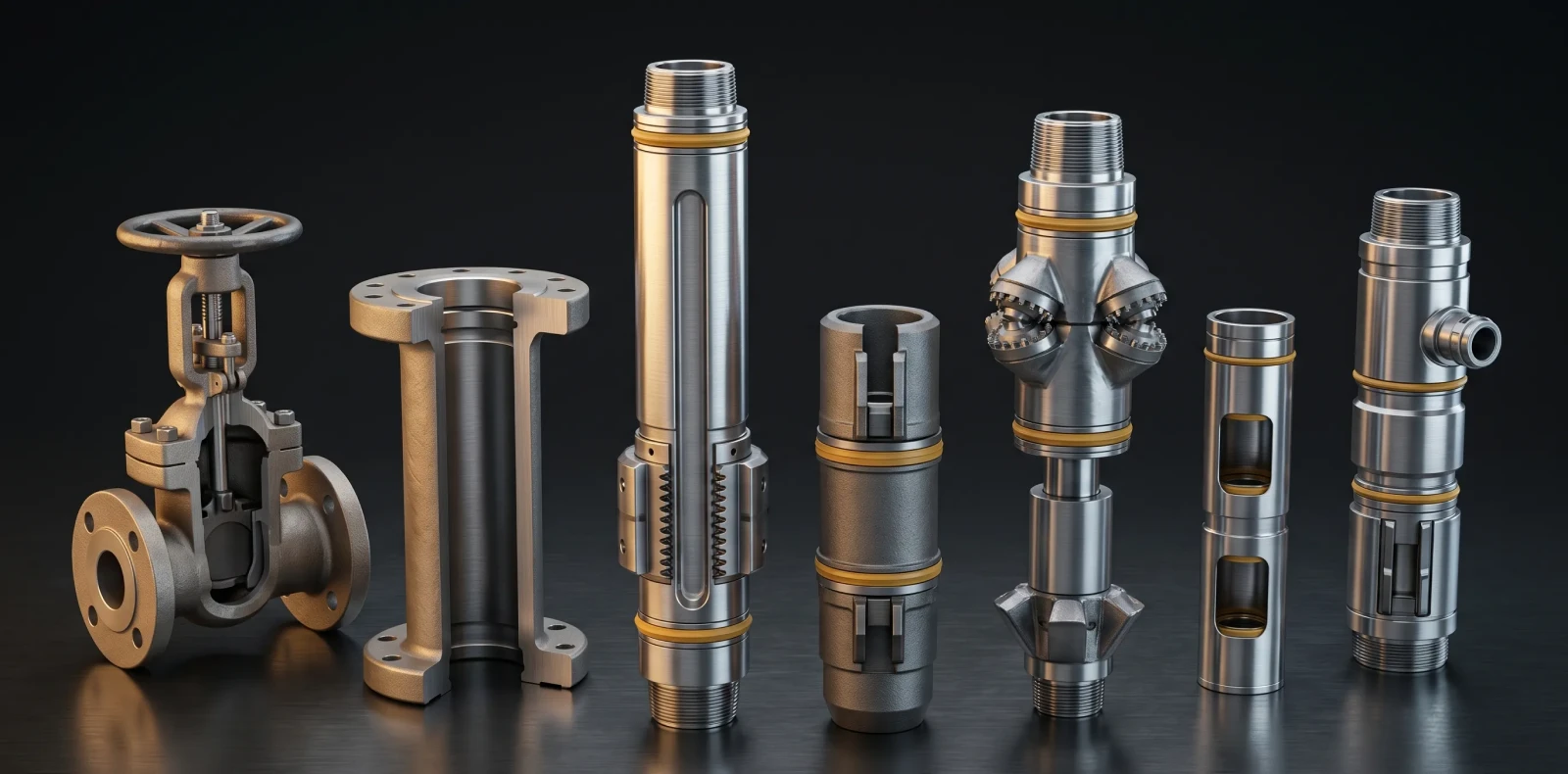
Oil & Gas Equipment Companies in India: Manufacturer Directory 2026
Navigating India's oilfield equipment landscape is challenging without a comprehensive directory, and procurement teams asking "who are the best manufacturers for this?" often lose weeks to vendor research. This directory profiles the key oil and gas equipment companies in India with verified capabilities, so you can build a qualified shortlist faster.
June 8, 2026
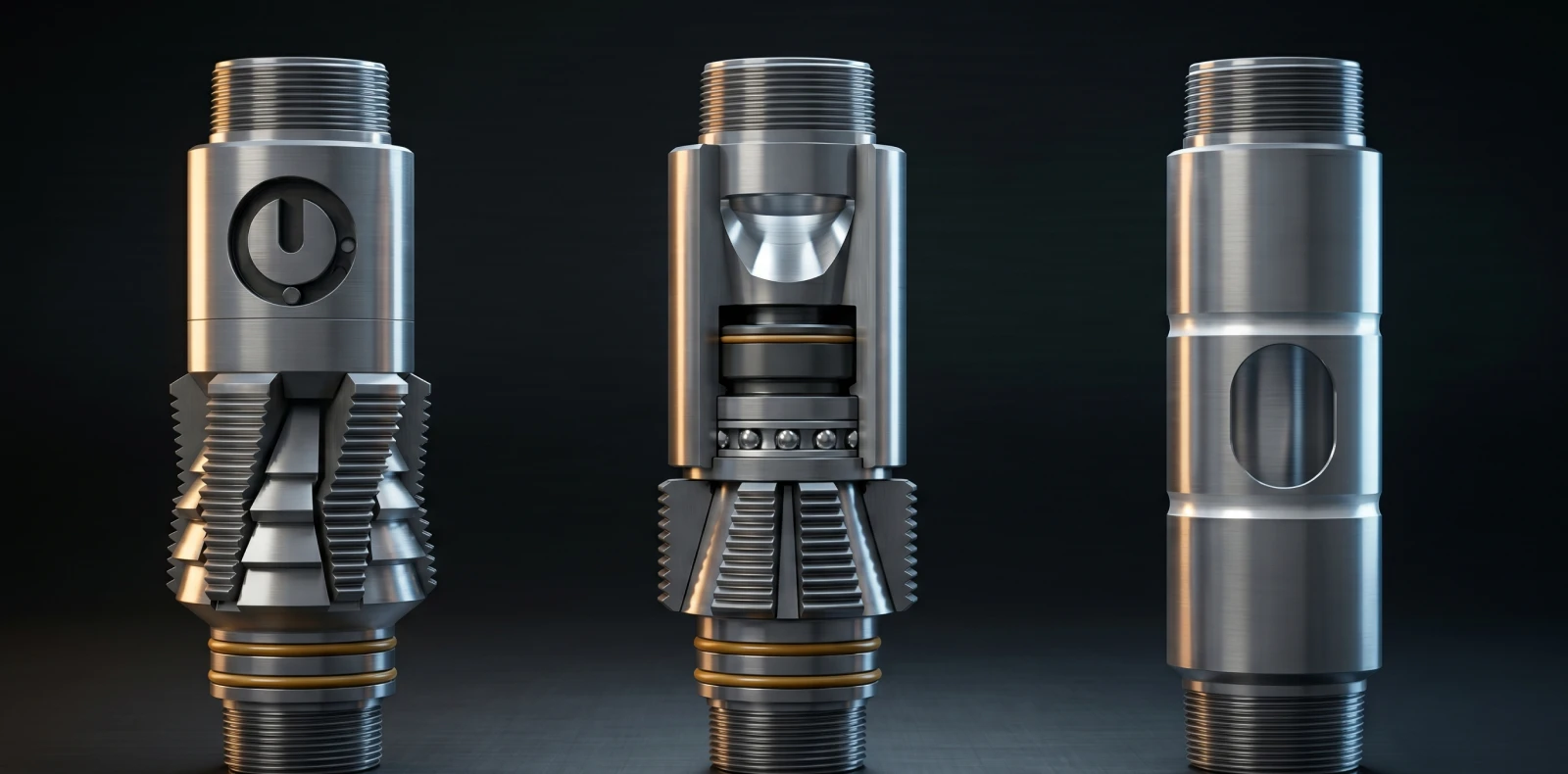
Liner Hanger Types & Selection: Complete Engineering Reference
What type of liner hanger does your well design require? The answer depends on setting depth, liner weight, and whether hydraulic or mechanical actuation suits the hole. For an engineer just trying to understand the basics, the liner hanger types break down into three categories — and knowing how they differ is the first step toward specifying the right one.
June 6, 2026
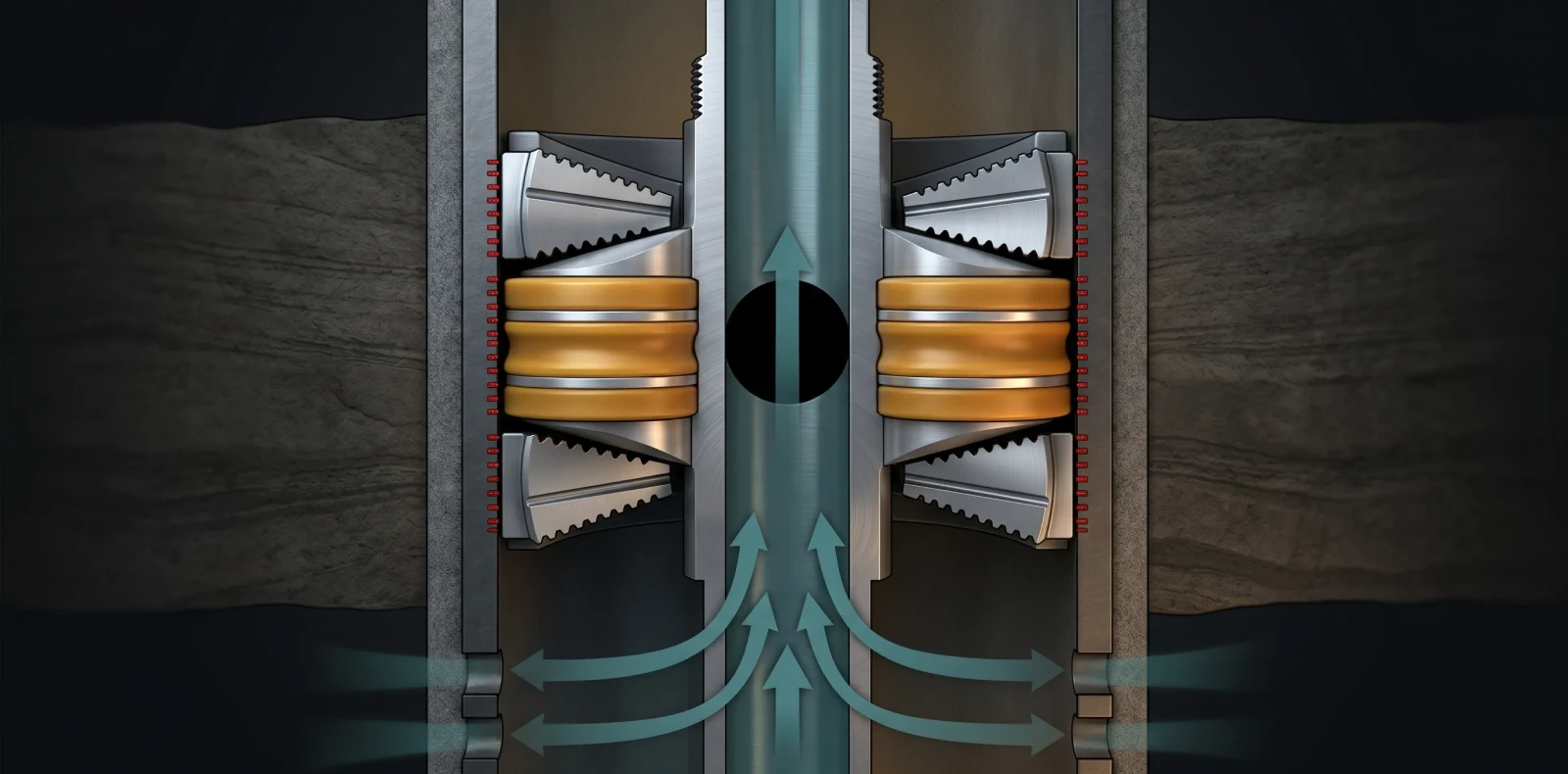
Packer in Well Completion- Functions & How to Select the Right One
Packers are installed in nearly every cased-hole completion worldwide, yet the packer in well completion remains one of the most consequential pieces of downhole hardware to understand. For anyone just trying to understand the basics, the packer is the component that makes controlled production possible by sealing the space between the tubing and the casing.
June 6, 2026
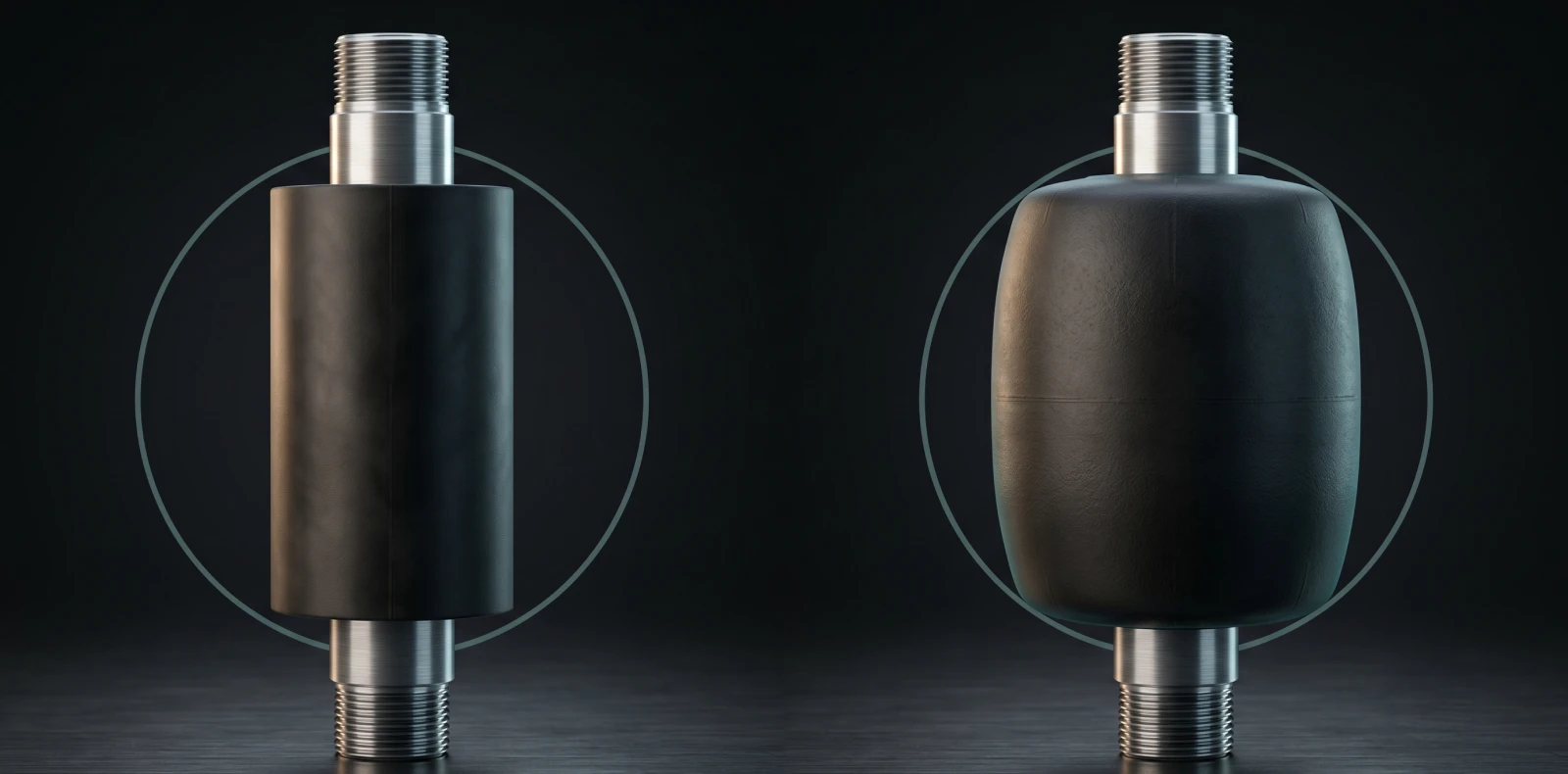
Swellable Packer Applications- Open Hole, HPHT & Water Shutoff Guide
When an operator needs to isolate an open hole section in a horizontal well without cementing, swellable packer applications offer the most direct route to a reliable annular seal. Across open hole zonal isolation, multistage fracturing, and water shutoff, the swellable packer has become the interventionless tool completion engineers reach for when running cement or mechanical packers is impractical or costly
June 6, 2026
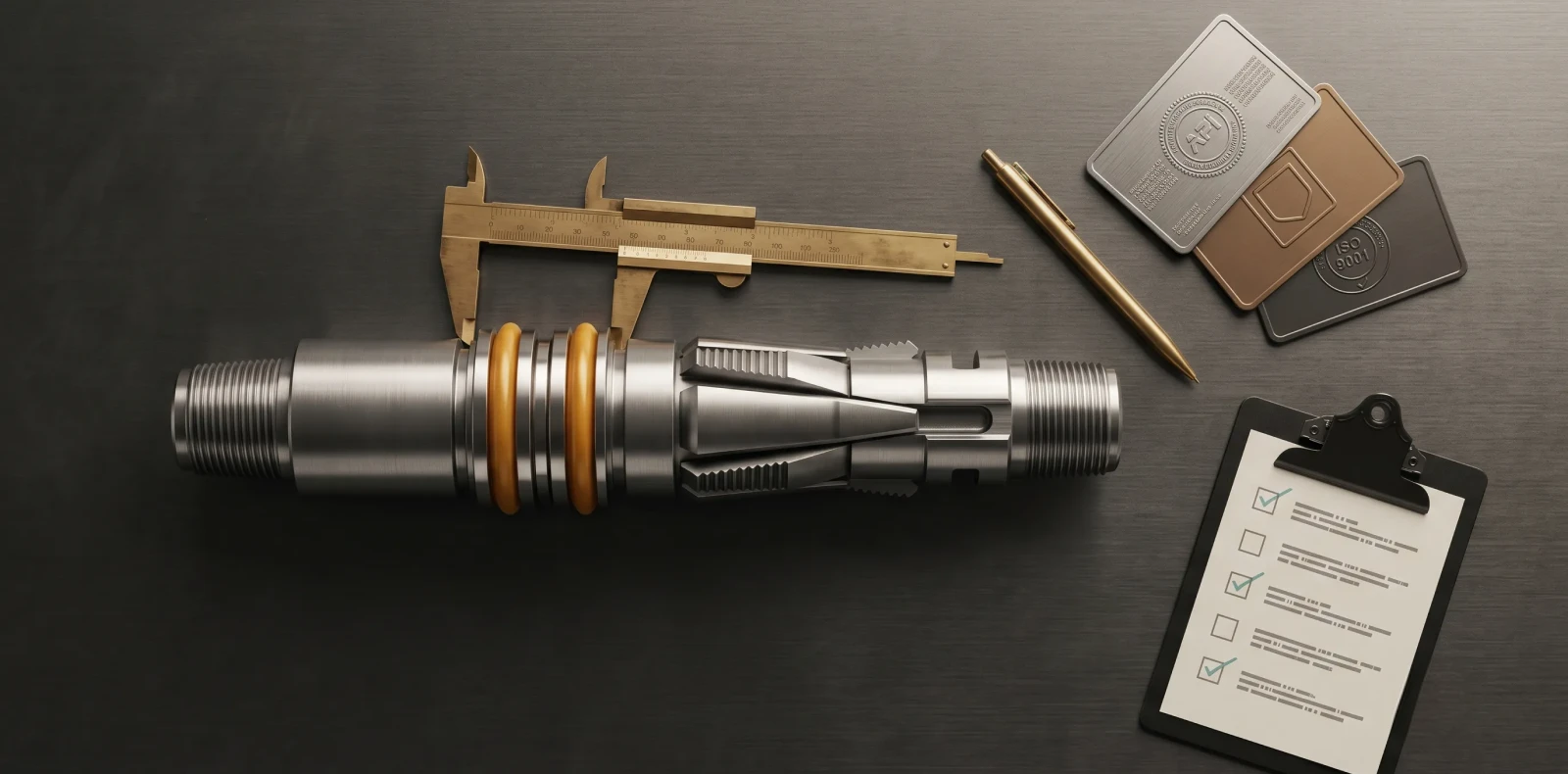
How to Choose an Oilfield Equipment Supplier A Procurement Guide
Choosing the wrong oilfield equipment supplier does not just waste procurement budget; it risks downhole failures that cost ten times the equipment price. Knowing how to choose an oilfield equipment supplier means looking past the catalog and the quotation to the evidence that a vendor can actually deliver safety-critical completion equipment. Procurement engineers who get this right treat the decision as risk management, not purchasing
June 6, 2026