Coiled tubing tools
Coiled tubing tools fall into three groups, and this guide covers the completion tools coiled tubing sets: bridge plugs, cement retainers and packers. It explains how coiled tubing changes reach and setting force, how to choose between the three, and the six details a quote needs. Maximus OIGA Private Limited builds these SpectraMax tools to order at its Manjusar / Savli plant in Vadodara but does not supply the coiled tubing or run the job. SpectraMax lead time bands run 1 to 4, 4 to 12, and 8 to 16 weeks or more by product class.
The completion tools that run on coiled tubing, and how to specify them
For completion and production engineers specifying a coiled-tubing-conveyed job: which tool classes suit coiled tubing, what to put in a quotation request, and where each option stops.
Maximus OIGA Private Limited manufactures the completion tools that are run and set on coiled tubing, built at the Manjusar/Savli plant in Vadodara, Gujarat, India. These are downhole well-completion equipment in the SpectraMax line, engineered to order and quoted against a purchase order.
This page covers coiled tubing tools from the completion side: which downhole tools coiled tubing conveys and sets into the completion string, which of them Maximus OIGA builds, and how to specify one for a quotation. It also states plainly where the scope stops, so you know before you send an enquiry whether the tool you need is one we make. Coiled tubing is one conveyance method among several, and the tool you choose depends on it.
Which downhole tools run on coiled tubing
Coiled tubing tools, the tools that run on coiled tubing, fall into three distinct groups. The surface spread runs and controls the string. The intervention bottom-hole assembly does mechanical work downhole, such as milling or fishing. The completion tools are the ones coiled tubing conveys and sets into the completion string, including bridge plugs, cement retainers and packers.
Coiled tubing is a conveyance method. It is a continuous steel string run into the well through an injector head, used to place and set tools where a jointed workstring or wireline is unsuitable. Wireline cannot push, and a workstring has to be made up connection by connection. Coiled tubing runs in one continuous length and can push, which is why it reaches places the other two cannot.
The surface spread is the equipment above the wellhead: the reel, the injector head and the pressure control equipment. Coiled tubing service and rental companies supply and operate it.
The intervention bottom-hole assembly is the working end for well intervention: connectors, a motor head assembly, jars, mills, agitators and downhole nozzles. This is thru-tubing intervention work, supplied by intervention specialists.
The completion tools are the downhole equipment that coiled tubing conveys and sets into the completion string: bridge plugs, cement retainers and packers. These are manufactured completion tools, and they are the group this page is about. Which of the three groups a supplier builds is the next thing to establish.
Which of these does Maximus OIGA Private Limited build
Maximus OIGA Private Limited manufactures the completion tools that coiled tubing sets, and it does not supply the coiled tubing string, the surface spread or the intervention bottom-hole assembly. That scope is worth stating plainly, because it tells you in one line whether this is the right supplier for your job.
Maximus OIGA builds the completion tools that a coiled-tubing-conveyed setting tool runs and sets. Under the SpectraMax brand these families cover packer systems; cast iron products, which include bridge plugs and cement retainers; liner hangers; flow control; float equipment; and stage cementing. These are the tools that isolate a zone, control a squeeze, or hold in the completion string once coiled tubing has placed and set them.
It does not supply the coiled tubing string itself. It does not supply the surface spread, the injector head, the reel and the pressure control equipment. It does not supply the intervention bottom-hole assembly either: the connectors, motor heads, jars, mills, agitators and nozzles that do thru-tubing intervention work. Those come from coiled tubing service and rental companies. Maximus OIGA is a manufacturer of engineered-to-order completion equipment, not an intervention service with rig-site personnel.
If you need a bridge plug, a cement retainer or a packer set on coiled tubing, you have found the manufacturer. If you need the string run or the job executed, that is a separate contract with a service provider, and the tool specification is the part you control. What coiled tubing conveyance changes about the tool itself is the next thing to understand, because it drives which tool you specify.
What changes when a completion tool is set on coiled tubing instead of wireline or a workstring
Coiled tubing conveyance changes the setting mechanism, the force available to set the tool, and how far into the well you can reach. So a completion tool set on coiled tubing is specified for the conveyance, not only for the well it goes into. This is standard coiled tubing mechanics, and you can check each point against your own well plan.
Reach. Coiled tubing can push. Wireline cannot, so in a deviated well or a horizontal section wireline needs a tractor or will not reach at all. A workstring can push but has to be made up connection by connection. Running on coiled tubing lets the setting tool reach into deviated and horizontal sections in one continuous run.
Well live or killed. Coiled tubing runs continuously through pressure control equipment, so the well can stay live while the tool goes in. Coiled tubing lets you work a live well without killing it first, and there is no connection-making time. A workstring run usually means killing the well before you start.
Setting force available. The setting force is where coiled tubing sets its own limit. The string has finite push before helical buckling and lock-up, so the force available to set a tool falls as the tool goes deeper and as the horizontal section gets longer. This is the constraint that decides whether a hydraulic setting tool or a mechanical setting tool is the right choice for the job.
Restriction and tool outside diameter. The tool has to pass the smallest restriction in the completion on its way to depth, and its setting mechanism has to work within the force and the flow the coiled tubing can deliver there. That is why the tool is matched to the conveyance and not picked on size alone. Differential sticking across a permeable zone is a further risk the running plan has to account for. With the conveyance understood, the next question is matching the tool class to the job.
Which completion tool suits which coiled tubing job
A completion tool for a coiled tubing job is chosen by the well condition and the outcome the job has to achieve, not by the product name.
Three SpectraMax families cover most coiled-tubing-set work: the bridge plug, the cement retainer and the packer. The outcomes they serve are zonal isolation, squeeze cementing, water shut-off and abandonment. What separates them is whether the isolation is permanent or has to be recovered, and whether fluid has to be pumped through the tool. Read the table on those two questions and the choice usually resolves itself.
| Tool class | The job it does | Permanent or retrievable | Pumped through or not | Where it stops |
| Bridge plug | Isolates the zone below, for testing, abandonment, or as a base for a squeeze | A permanent bridge plug is left in place; a retrievable bridge plug is designed to come back out | Not pumped through; it isolates | A permanent bridge plug stops where the zone below must be re-entered, because recovery means milling |
| Cement retainer | Controls a squeeze: holds the cement in place and prevents flowback while it sets | Set and left in place for the squeeze | Pumped through, to place the cement | Stops where no squeeze is intended; its job is to control pumped cement |
| Packer | Zonal isolation that can be recovered, where the interval has to be re-entered | Retrievable | Depends on the completion; can allow flow or isolate | Stops where debris or scale may prevent release |
The rule holds across all three rows: decide whether the isolation is permanent or must be recovered, and whether fluid is pumped through the tool, and the well condition points to one family. Once the tool class is settled, the next step is turning that choice into something a supplier can quote.
How do you specify a coiled-tubing-set plug, retainer or packer
To quote a coiled-tubing-set completion tool, a supplier needs six things: the casing or tubing it sets in, the smallest restriction it has to pass, the well deviation and depth, the well fluid and any sour service requirement, the setting method available on the job, and whether the tool has to be recovered.
Casing or tubing. Give the casing or tubing size, the casing weight and the casing grade the tool sets in. Weight and grade fix the drift diameter, and the tool has to seal against that exact inside diameter.
Restriction. State the smallest restriction the tool must pass on its way to setting depth. The tool outside diameter is chosen to clear it, so the drift is the number that matters here, not the nominal size.
Deviation and depth. Give the well deviation and the setting depth. Together with the horizontal length, these decide how much setting force the coiled tubing can deliver at the tool, which is what makes a setting method feasible or not.
Well fluid and sour service. Name the well fluid and state whether the service is sour. An H2S environment changes the material and the elastomer selection, and it is not something to leave to assumption.
Setting method. Say which setting tool is available on the job, hydraulic or mechanical. The completion tool has to match the setting tool the coiled tubing spread will run.
Recovery requirement. State whether the tool has to be recovered later or can be left permanent. This is the single question that most changes which tool you are quoting.
What drives the price of an engineered-to-order completion tool is the size and grade of the material, whether it has to meet sour service, the sealing and slip configuration, whether it has to be retrievable, and the quantity. Specify those and you get a quotation sized to the job rather than a general figure. Maximus OIGA Private Limited quotes against a well schematic or a specification sheet. Specifying the tool well also means knowing where each option stops.
Where does each option stop
Every coiled-tubing-set completion tool shares one limit: the setting force the coiled tubing can deliver at depth. That force falls as the horizontal section lengthens, and the string can reach helical buckling and lock-up before the tool reaches setting depth. When that happens, no tool in the table is the right answer until the running method is changed, and a tool left stuck can become a fishing job.
A permanent bridge plug stops being the right choice where the zone below has to be re-entered, because recovering a permanent plug means milling it out. If you expect to go back below it, a permanent plug is not suitable and you specify a retrievable tool instead.
A cement retainer stops being the right choice where no squeeze is intended. Its whole purpose is to control pumped cement, so on a job with no cement to place it is the wrong tool and not suitable for it.
A retrievable packer stops being the right choice where debris or scale may prevent its release. The recovery you are specifying it for is the thing most at risk, so on a dirty or scaled interval the retrievable feature can be exactly what fails.
Sour service is a further limit on every class. An H2S environment restricts the materials and elastomers that can be run, so a tool not specified for sour service is not suitable in one. Knowing where a tool stops is also how you judge a supplier, which comes down to verification.
What standards apply, and what should you ask any supplier to produce
You verify a downhole completion tool supplier three ways: by the public licence register, by the qualification test report for the exact model and size you intend to run, and by the documentation pack that travels with the order. None of the three depends on taking a supplier's word for it.
The licence register. API Monogram licences are published on a public register, the API Composite List, which anyone can search by company name and by product specification. A licence is specific: it covers a named product specification made at a named facility, and it carries a licence number. So the useful question to ask any supplier is not whether they are certified, a word that means little on its own, but for the licence number, which you can then check on the register yourself in about a minute. Run the same check on Maximus OIGA Private Limited and on every other name on your bid list, and if anything you find is out of date, tell us and we will correct it.
The qualification test report. A validation grade describes what a specific tool has been tested to, at a specific size and configuration. It is not a company-wide attribute, and it does not transfer from one tool to another. The international validation standard for packers and bridge plugs is ISO 14310, and a grade under it belongs to the tool and size that was tested, established by a qualification test. So the document to ask for is the qualification test report for the exact model and size you intend to run, not a general statement. That report tells you what the tool is rated for and, just as important, what it is not.
The documentation pack. The documentation pack is what should arrive with the order, and it is how an audit later confirms the tool was what the paperwork said. For engineered-to-order completion equipment it includes the material test report, the inspection and test plan, heat traceability back to the material heat, and the test report for the item supplied. Ask for the pack up front and make it part of the purchase order, so the documentation is a deliverable and not a favour.
The three things to ask your supplier for: the licence number, the qualification test report for your model and size, and the full documentation pack. With verification covered, the remaining question for most buyers is supply time.
How long does a coiled-tubing-set completion tool take to supply
Lead time for a coiled-tubing-set completion tool from Maximus OIGA Private Limited runs in published bands by product class: 1 to 4 weeks, 4 to 12 weeks, and 8 to 16 weeks or more. Which band applies depends on the tool and the configuration, and the band is stated up front rather than left to the quotation.
What moves a tool from one band to the next is the size and grade of the material, whether it has to meet sour service, the quantity, and whether the configuration is a standard SpectraMax build or a new engineering release. A standard configuration in a common size sits at the short end. A new engineering release in a large size or a sour-service material sits at the long end, because it carries design and material lead time before anything is machined at the Manjusar/Savli plant.
These are tools engineered to order, not stock items pulled from a shelf, which is why the answer is a band tied to the work rather than a single number. Where a configuration is close to a standard build, the short band reflects that.
Publishing a lead time at all is uncommon in this category. Across the suppliers researched for this market, none publishes lead times, so a buyer comparing options usually cannot get a supply answer without asking each one. A stated band is something you can plan a well program around. A few questions come up often enough to answer directly, which is where this page turns next.
Common questions
Does Maximus OIGA Private Limited supply coiled tubing itself?
No. Maximus OIGA Private Limited manufactures the completion tools that coiled tubing sets, such as bridge plugs, cement retainers and packers. It does not supply the coiled tubing string, the surface spread or the intervention bottom-hole assembly. Those come from a coiled tubing service company.
If we move a tool order away from a major service company, do we lose the integrated package?
Only if you were treating the tool and the job as one purchase. They are two. The tool, its documentation and its lead time are bought from a manufacturer. The coiled tubing string, the crew and the job execution are bought from a service provider. The two are contracted separately, and the tool specification is the part the operator controls. Whether to buy them together or apart is your call; the point is that they can be separated, and the tool is a specification you own either way.
Can a bridge plug set on coiled tubing be retrieved?
It depends on which tool was specified. A retrievable bridge plug is designed to be recovered; a permanent bridge plug is not, and recovering one means milling it out. It also depends on the well, because debris or scale across the interval can prevent a retrievable tool from releasing. Decide whether you will need to re-enter the zone below before you choose, because that decision sets the tool.
What do you need from us to quote?
Six things: the casing or tubing size, weight and grade; the smallest restriction the tool must pass; the well deviation and depth; the well fluid and any sour service requirement; the setting method available; and whether the tool has to be recovered. With those, you get a quotation sized to the job.
How do we check a supplier's certification for ourselves?
Search the public licence register. API Monogram licences are listed on the API Composite List, searchable by company name and by product specification. Ask any supplier for the licence number rather than the word certified, then confirm it on the register yourself. For validation, ask for the qualification test report for the exact model and size you intend to run. That is how you verify a supplier rather than take their word, and you apply the same checks to every name on your bid list.
Related Blogs

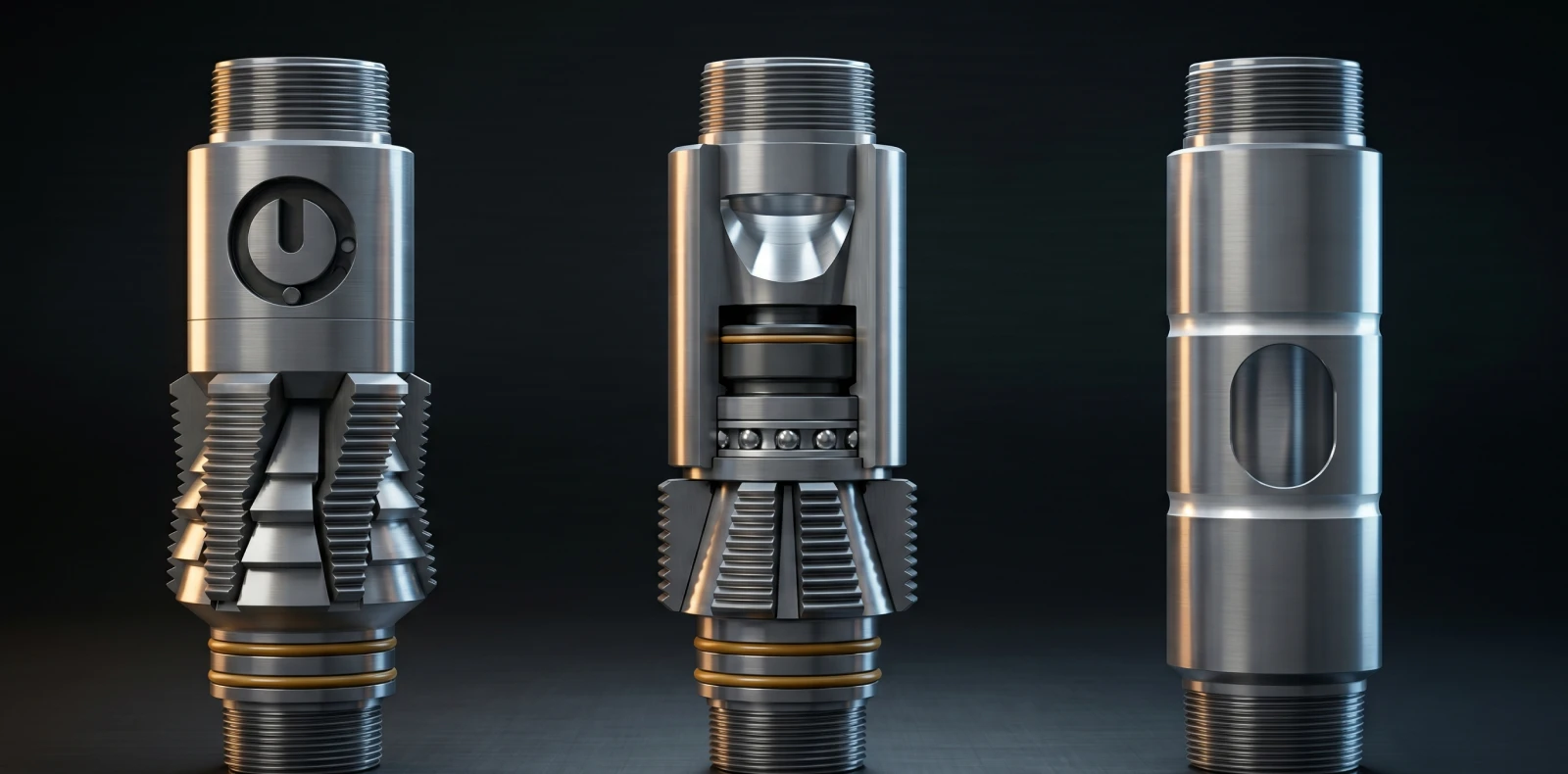
More Information
Related News & Insights
ADNOC ICV certification: what a completion-tool supplier actually needs
No ADNOC ICV certificate means a 0% In-Country Value score at tender award. This guide explains how a MoIAT-approved body scores your audited accounts, what documents you need, and why you renew each year. It also shows why an overseas maker cannot hold the certificate for you, and what its paperwork can add. Maximus OIGA Private Limited builds the SpectraMax line to order at its Manjusar / Savli plant in Vadodara and ships each order with that paperwork.
September 21, 2026
ISO 14310 & API 11D1 Validation Grades: V6 to V0 Explained
Many engineers assume a higher V-number means a tougher packer. It is the opposite. Under ISO 14310 packer validation grades, the scale runs from V6, the minimum, down to V0, the most demanding gas-tight grade — so a lower number means more severe testing, not less. For anyone just trying to understand the basics, that inversion is where most confusion starts.
June 8, 2026
Intelligent Well Completion: Systems, Components and Equipment
Imagine adjusting flow from each zone of a multi-zone reservoir in real time, from surface, without ever sending a rig downhole. That is the promise of intelligent well completion, and for an engineer just trying to understand the basics, the concept is more concrete than the marketing suggests once you see how the pieces connect.
June 8, 2026
Oil & Gas Equipment Companies in India: Manufacturer Directory 2026
Navigating India's oilfield equipment landscape is challenging without a comprehensive directory, and procurement teams asking "who are the best manufacturers for this?" often lose weeks to vendor research. This directory profiles the key oil and gas equipment companies in India with verified capabilities, so you can build a qualified shortlist faster.
June 8, 2026
Liner Hanger Types & Selection: Complete Engineering Reference
What type of liner hanger does your well design require? The answer depends on setting depth, liner weight, and whether hydraulic or mechanical actuation suits the hole. For an engineer just trying to understand the basics, the liner hanger types break down into three categories — and knowing how they differ is the first step toward specifying the right one.
June 6, 2026
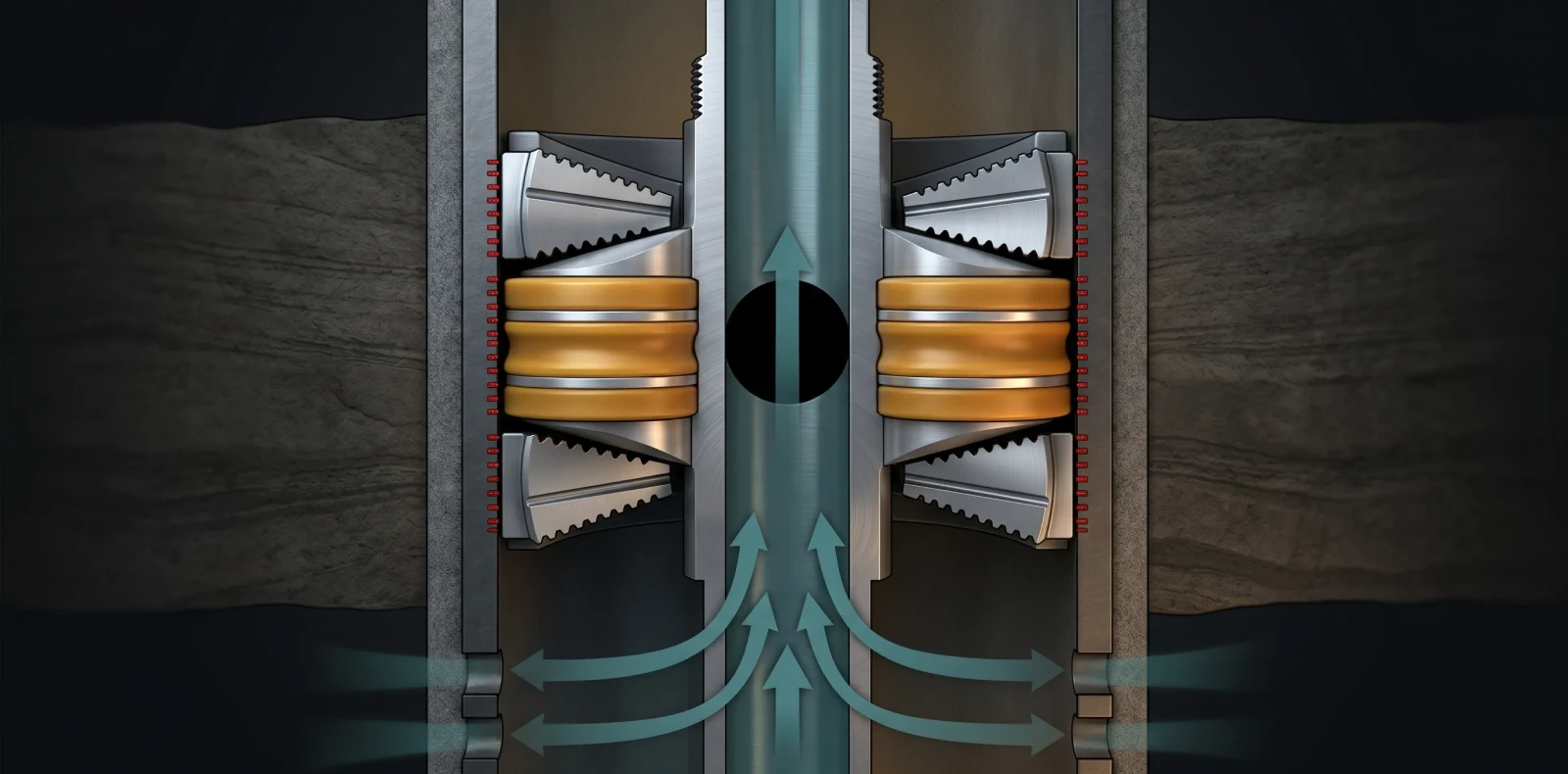
Packer in Well Completion- Functions & How to Select the Right One
Packers are installed in nearly every cased-hole completion worldwide, yet the packer in well completion remains one of the most consequential pieces of downhole hardware to understand. For anyone just trying to understand the basics, the packer is the component that makes controlled production possible by sealing the space between the tubing and the casing.
June 6, 2026
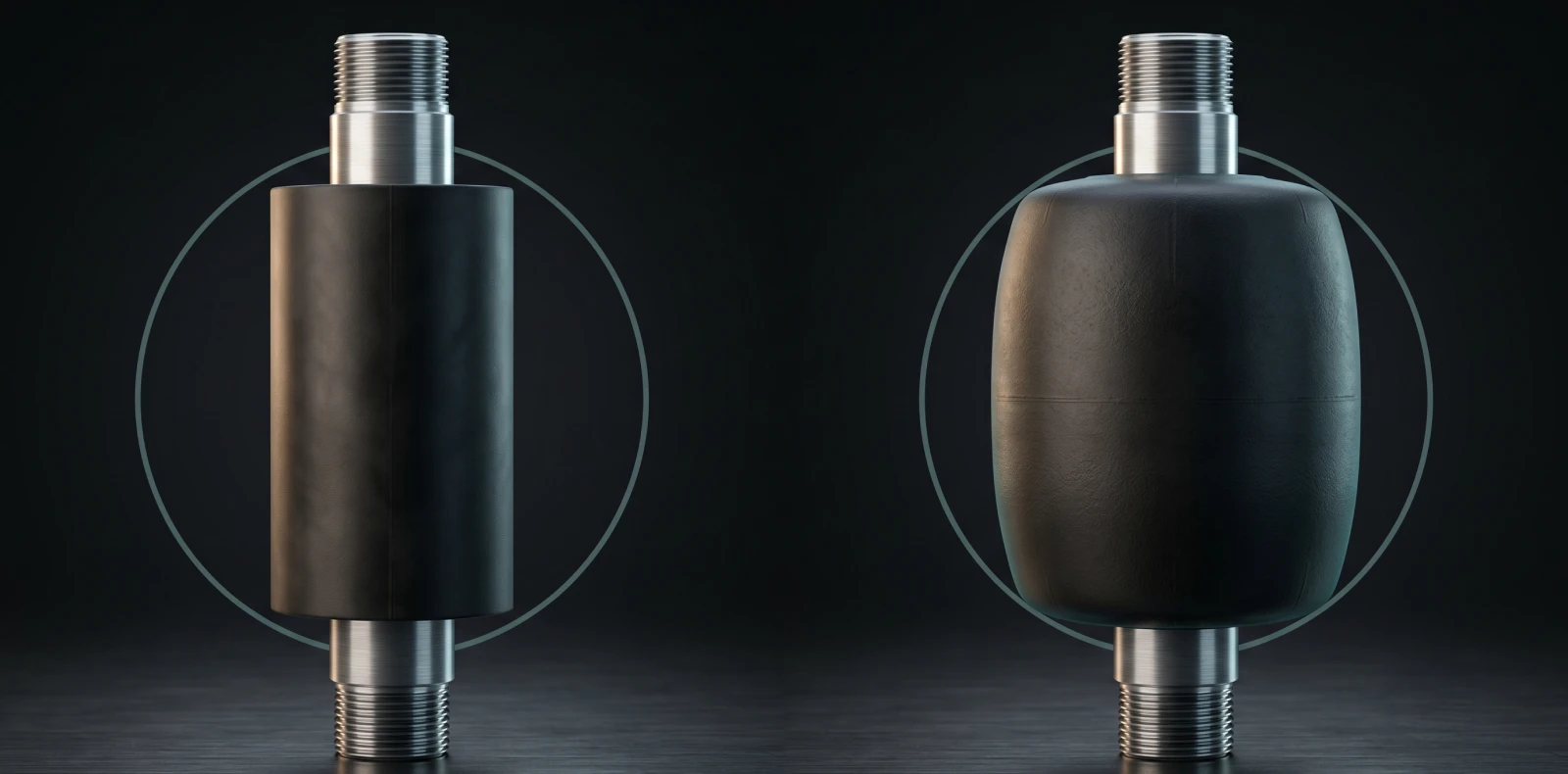
Swellable Packer Applications- Open Hole, HPHT & Water Shutoff Guide
When an operator needs to isolate an open hole section in a horizontal well without cementing, swellable packer applications offer the most direct route to a reliable annular seal. Across open hole zonal isolation, multistage fracturing, and water shutoff, the swellable packer has become the interventionless tool completion engineers reach for when running cement or mechanical packers is impractical or costly
June 6, 2026
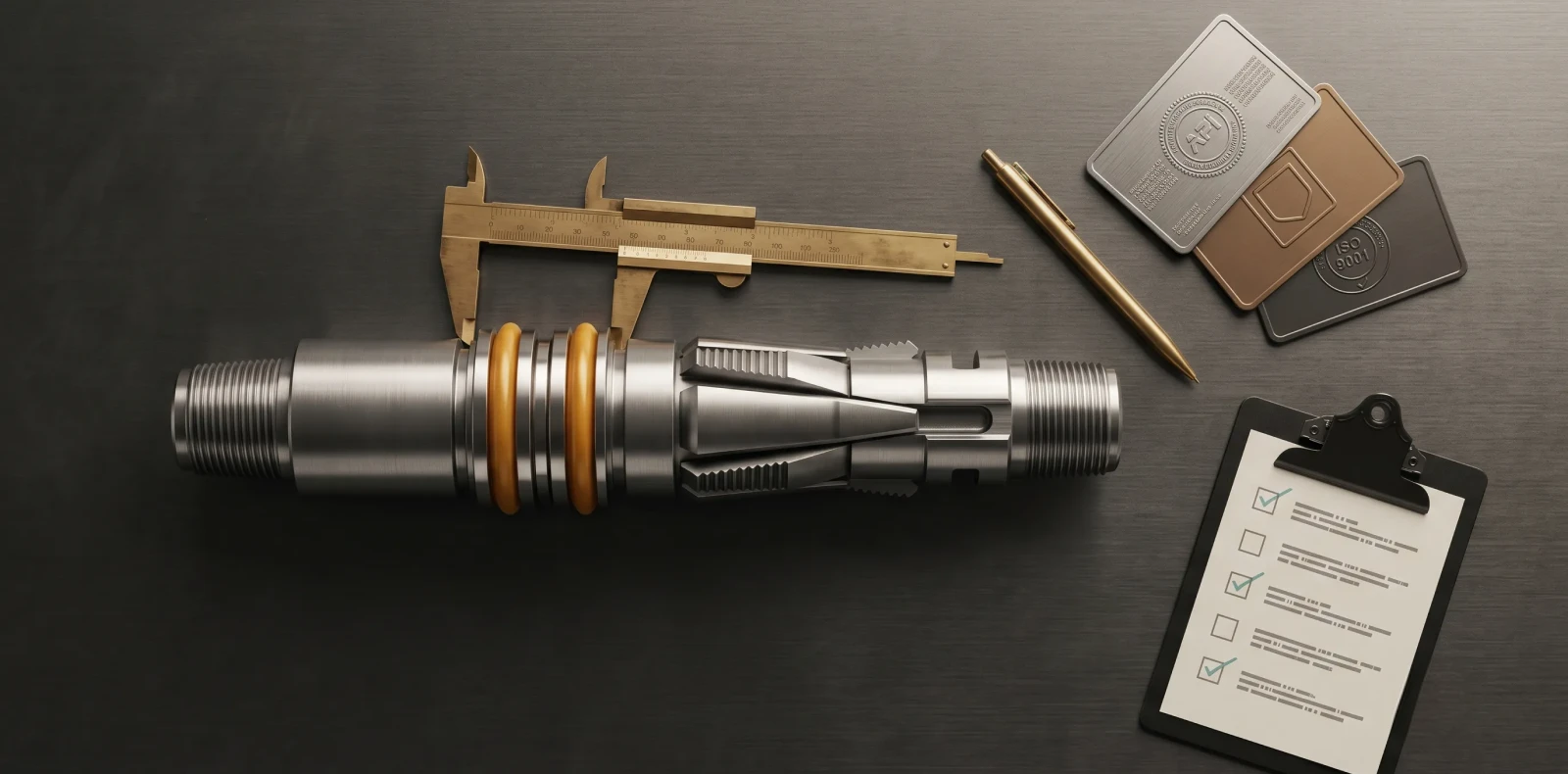
How to Choose an Oilfield Equipment Supplier A Procurement Guide
Choosing the wrong oilfield equipment supplier does not just waste procurement budget; it risks downhole failures that cost ten times the equipment price. Knowing how to choose an oilfield equipment supplier means looking past the catalog and the quotation to the evidence that a vendor can actually deliver safety-critical completion equipment. Procurement engineers who get this right treat the decision as risk management, not purchasing
June 6, 2026
Top Downhole Tool Manufacturers & Suppliers 2026 Global Guide
The global downhole tools market exceeds 5 billion US dollars annually, and the list of companies claiming to serve it is far longer than any procurement team has time to vet. This guide narrows the field: it covers how to evaluate a downhole tool manufacturer, then profiles the global majors, the India-based OEMs, and Maximus OIGA — fairly, with real pros and cons, so you can build an RFQ shortlist without months of vendor research.
June 6, 2026
Sliding Sleeve Applications in Well Completion Types & Selection Guide
Sliding sleeves have evolved from simple open/close mechanisms into precision multi-zone flow control devices, and understanding their applications is now central to modern well completion design. This guide covers what a sliding sleeve does, the main types, real downhole applications, and how to select the right one — written for engineers trying to understand the basics and go a level deeper, not for a sales pitch.
June 6, 2026