
ADNOC ICV certification: what a completion-tool supplier actually needs
No ADNOC ICV certificate means a 0% In-Country Value score at tender award. This guide explains how a MoIAT-approved body scores your audited accounts, what documents you need, and why you renew each year. It also shows why an overseas maker cannot hold the certificate for you, and what its paperwork can add. Maximus OIGA Private Limited builds the SpectraMax line to order at its Manjusar / Savli plant in Vadodara and ships each order with that paperwork.
ADNOC ICV certification decides your In-Country Value (ICV) score, and that score is weighed in a tender before your technical bid is read. A completion-tool supplier with no certificate scores 0% on local content (ADNOC supplier guidance, checked 17 September 2026). The certificate is issued under MoIAT. A manufacturer such as Maximus OIGA Private Limited, maker of the SpectraMax line, feeds this score through documentation, not by holding the certificate.
The short version
Key takeaways
ICV certification takes audited, UAE-entity financial statements assessed against the MoIAT In-Country Value formula, and the certificate stays valid for about 14 months. Five facts carry the rest of this guide.
- A MoIAT-approved certifying body issues the certificate, working from your audited financial statements.
- Your ICV score measures how much of your spend stays in the UAE economy: local content, local suppliers, Emiratisation and in-country investment.
- No certificate means a 0% ICV score, and ADNOC applies that score as weighted criteria at the award stage.
- The validity runs about 14 months from the date of the audited statements. One secondary source states up to 18 months, so confirm it against the MoIAT guideline.
- Certification runs on an annual basis, so renew before the certificate expires.
The rest of this guide works through what that certificate requires, in the order you meet it.
What is ADNOC ICV certification, and what does it actually require
In-Country Value (ICV) measures the share of a supplier's spend that stays in the UAE economy: local manufacturing, local suppliers, Emiratisation and in-country investment. ADNOC launched the ICV programme in 2018, and the Ministry of Industry and Advanced Technology (MoIAT) later expanded it into a single national programme (ADNOC and MoIAT, checked 17 September 2026).
The ADNOC ICV certificate is the same unified certificate issued under MoIAT. One certifying body assesses you once, and ADNOC then applies your score inside its own tender evaluation. In practice, the certificate you earn for MoIAT is the certificate ADNOC reads.
What the certificate measures is financial: your local supplier spend, your Emiratisation and expatriate contribution, your capital investment in the UAE, and how much of what you sell is manufactured locally. It is a measure of money kept in the local economy, not a quality mark or a technical approval. That distinction, a financial score rather than a technical approval, is what makes the next question the one that decides tenders.
How does your ICV score decide a tender, and what drives the score
Your ICV score is used as weighted criteria at the award stage of a tender evaluation, so between two technically acceptable bids the higher ICV score can win. An ICV certificate is not legally required to submit a bid, but a supplier without one is given a 0% score on that criterion (ADNOC supplier guidance, checked 17 September 2026), which is close to disqualifying on any tender where the weighting counts.
Several inputs set the score. The MoIAT ICV formula rewards Goods Manufactured in the UAE, third-party spend on local suppliers (and that spend counts for more when those suppliers hold their own valid ICV certificates), in-country investment, and your Emiratisation and expatriate contribution. Named caps apply: an Emirati owner's salary counts up to AED 120,000, and the Green or sustainability bonus is capped at 3%.
The exact percentage weightings are set by the current MoIAT formula and revised from time to time. Read them from the MoIAT ICV Formula page on the day you bid, rather than trusting a fixed number quoted second-hand, including here. Each of those inputs has to be evidenced on paper, which is the next question.
What documents do you need for ICV certification
ICV certification starts with stand-alone, legal-entity audited financial statements, prepared under IFRS and audited under ISA. Those audited financials are the base the whole score is calculated from, so they have to be your own entity's statements, not a group consolidation, and not older than two years (published UAE ICV certification guidance, checked 17 September 2026).
The documents required for an application are:
- Audited financial statements (IFRS, audited under ISA, stand-alone legal entity, dated within the last two years).
- The completed MoIAT ICV template, where your figures are entered in the form the certifying body scores.
- Supporting schedules for your workforce, procurement and investment, so each line in the template can be traced to a record.
- Valid vendor ICV certificates from your own suppliers, because their local content flows into your score.
- NAFIS registration for your Emirati workforce commitments.
- Sustainability evidence, where it applies to the bonus.
A young company is treated differently. A business under ten months old may use management accounts covering up to nine months; past that point, audited financial statements are mandatory. Local supplier spend also carries more weight when those suppliers hold their own valid vendor certificates, so collecting them early is worth the effort. Assembling those records, more than the review itself, is what sets how long certification takes.
How long does ICV certification actually take
The real driver of how long ICV certification takes is having current audited financial statements and valid vendor certificates ready before the certifying body starts, not the speed of the review itself. Certification follows five steps (published UAE ICV process guidance, checked 17 September 2026):
- Internal readiness: your trial balance, vendor ICV certificates and payroll records pulled together.
- Submission through UAE Pass to the MoIAT ICV platform.
- Verification by an approved certifying body.
- System-generated scoring against the formula.
- Certificate issuance.
There is no fixed, guaranteed processing window published. Realistically, the certificate issues within a few weeks once your audited financial statements and vendor certificates are in order, and it takes longer whenever the numbers do not reconcile with the template and the certifying body has to come back with questions. The timeline you can control is the readiness, not the review.
Certification runs on an annual basis, so treat renewal as a standing task: reapply before your certificate expires, because a lapsed certificate drops you back to a 0% score on your next bid. That covers the buyer's side of the certificate. The question a foreign supplier keeps asking is what it can do about any of it.
Need expert guidance on the right solution?
Talk to our engineers about your project requirements.
What can an overseas completion-tool manufacturer actually do for your ICV score, and what can it not
An overseas manufacturer can supply the goods, the documentation and the terms that raise the local content and traceability your UAE-registered entity then certifies. What it cannot do is hold an ADNOC ICV certificate on your behalf. The ICV score attaches to a UAE-registered supplier, assessed on that entity's own audited financials, so a company with no UAE legal entity cannot itself carry the certificate. This is the point most vendor conversations skip.
A manufacturer such as Maximus OIGA Private Limited, which builds the SpectraMax completion-tool line, contributes to your score through what travels with the order: material test reports (MTR), the inspection and test plan (ITP), and heat traceability, plus commercial terms that a UAE-registered supplier or importer folds into its own In-Country Value. That documentation is the part a foreign maker can stand behind, because it ships with the tool and can be checked against the tool.
What the same manufacturer cannot do is register as an ADNOC entity for you, claim a UAE office or agent it does not have, or lend you a certificate. The workable route, where a foreign maker adds real local content, is through an in-market partner or your own UAE entity. Any supplier who tells you otherwise is describing something the certificate rules do not allow, which raises the fair question to put to this manufacturer directly: where does it stand today?
Where does Maximus OIGA Private Limited stand on supplying into ADNOC today
Maximus OIGA Private Limited supplies into the UAE as a manufacturer: it builds the SpectraMax completion-tool line, engineered to order at its Manjusar and Savli plant in Vadodara, and ships each order with a documentation pack. It sells by quotation and RFQ against a purchase order, not off a shelf.
On presence, the honest statement is the narrow one. This guide does not claim a UAE office, agent, distributor or named customer for the company, because a buyer can check those and should. What the company can point to is its supply: tools made to your specification, the documentation that travels with them, and published lead-time bands by product class, roughly one to four weeks, four to twelve weeks, and eight to sixteen weeks or more depending on the tool. In the researched competitor set, no rival publishes its lead times at all, which is why the bands are worth asking for by name.
If any of that matters to your bid, the honest place to start is with what this guide does not cover, so you know exactly where its limits are.
What this guide does not cover
This guide does not certify your company, calculate your ICV score, or stand in for advice from a MoIAT-approved certifying body. It explains the ADNOC ICV gate and the supplier-side route through it. It does not issue a certificate, compute a score, or replace the professional advice a certifying body is there to give.
The figures on this page can also move. ICV weightings, the validity period and the application rules are set by MoIAT and revised over time. Treat any number here as a prompt to check the current value on the official source before you bid, not as a fixed rule you can quote back in a tender. The section below lists exactly where those official sources are.
How to verify any of this yourself
The ICV rules are worth confirming on the MoIAT and ADNOC official pages, not on any supplier's marketing, including this page. Everything above you can verify at its source in a few minutes.
- For the rules and the current weightings: the MoIAT National ICV Program and MoIAT ICV Formula pages, and the ADNOC Supplier Hub ICV Program page.
- For the application detail: the MoIAT ICV Supplier Certification Guidelines.
- For an approved assessor: the MoIAT list of approved ICV certifying bodies, the only list that decides who can issue your certificate.
- For any oilfield API certification a vendor claims, including this one: search the vendor's exact legal name on the API Composite List, the public register at mycerts.api.org, and read the licence status and dates yourself. Write down the date you checked, because a licence status is only true as of the day you read it.
Using the official source for each of these is the difference between a claim you can defend in a tender and one you took on trust. It also answers most of the questions buyers ask on this topic, which the next section sets out.
ADNOC ICV certification: common questions
FAQ
How to get an ICV certificate in UAE?
Get an ICV certificate by having your stand-alone audited financial statements assessed by a MoIAT-approved certifying body. You complete the MoIAT ICV template, submit through UAE Pass to the MoIAT ICV platform with your vendor certificates and payroll records, and the body scores you against the formula and issues the certificate.
What is an ICV certificate?
An ICV certificate is a UAE In-Country Value certificate that scores how much of a supplier's spend stays in the UAE economy. It covers local manufacturing, local supplier spend, Emiratisation and in-country investment, and it is issued under MoIAT.
How to get ADNOC certification?
There is no separate ADNOC certificate to chase: the ADNOC ICV certificate is the same unified certificate issued under MoIAT. You earn it once from an approved certifying body, and ADNOC applies your score inside its own tender evaluation.
What is a good ICV score in the UAE?
There is no single pass mark for an ICV score. It is scored as weighted criteria at award, so a higher score beats a lower one between comparable bids, and what counts as good depends on the tender and the competition. Read the current weightings from the MoIAT ICV Formula page.
What is ICV in ADNOC?
ICV in ADNOC is In-Country Value: the measure of how much of your spend stays in the UAE economy, applied by ADNOC as scored criteria when it evaluates bids. It is the same national measure MoIAT administers.
How is ICV calculated?
ICV is calculated by a MoIAT-approved certifying body from your audited financial statements, using the MoIAT ICV formula. The formula counts Goods Manufactured in the UAE, local supplier spend, in-country investment and Emiratisation, with named caps such as an Emirati owner's salary counted up to AED 120,000. The current percentage weightings sit on the MoIAT ICV Formula page.
How to renew an ICV certificate?
Renew an ICV certificate by reapplying before it expires, because certification runs on an annual basis. Keep your audited financial statements and vendor certificates current, since a lapsed certificate returns you to a 0% score on your next bid.
What do you mean by ICV?
ICV means In-Country Value. It is the UAE programme that measures and scores the share of a supplier's spend retained in the UAE economy, and it is what ADNOC reads when it weighs bids.
Is an ICV certificate mandatory in Qatar?
ICV-style local-content schemes are run country by country, so a UAE ADNOC ICV certificate does not apply in Qatar, and this guide covers the UAE only.
Related Blogs

More Information
Related News & Insights
Coiled tubing tools
Coiled tubing tools fall into three groups, and this guide covers the completion tools coiled tubing sets: bridge plugs, cement retainers and packers. It explains how coiled tubing changes reach and setting force, how to choose between the three, and the six details a quote needs. Maximus OIGA Private Limited builds these SpectraMax tools to order at its Manjusar / Savli plant in Vadodara but does not supply the coiled tubing or run the job. SpectraMax lead time bands run 1 to 4, 4 to 12, and 8 to 16 weeks or more by product class.
September 21, 2026
ISO 14310 & API 11D1 Validation Grades: V6 to V0 Explained
Many engineers assume a higher V-number means a tougher packer. It is the opposite. Under ISO 14310 packer validation grades, the scale runs from V6, the minimum, down to V0, the most demanding gas-tight grade — so a lower number means more severe testing, not less. For anyone just trying to understand the basics, that inversion is where most confusion starts.
June 8, 2026
Intelligent Well Completion: Systems, Components and Equipment
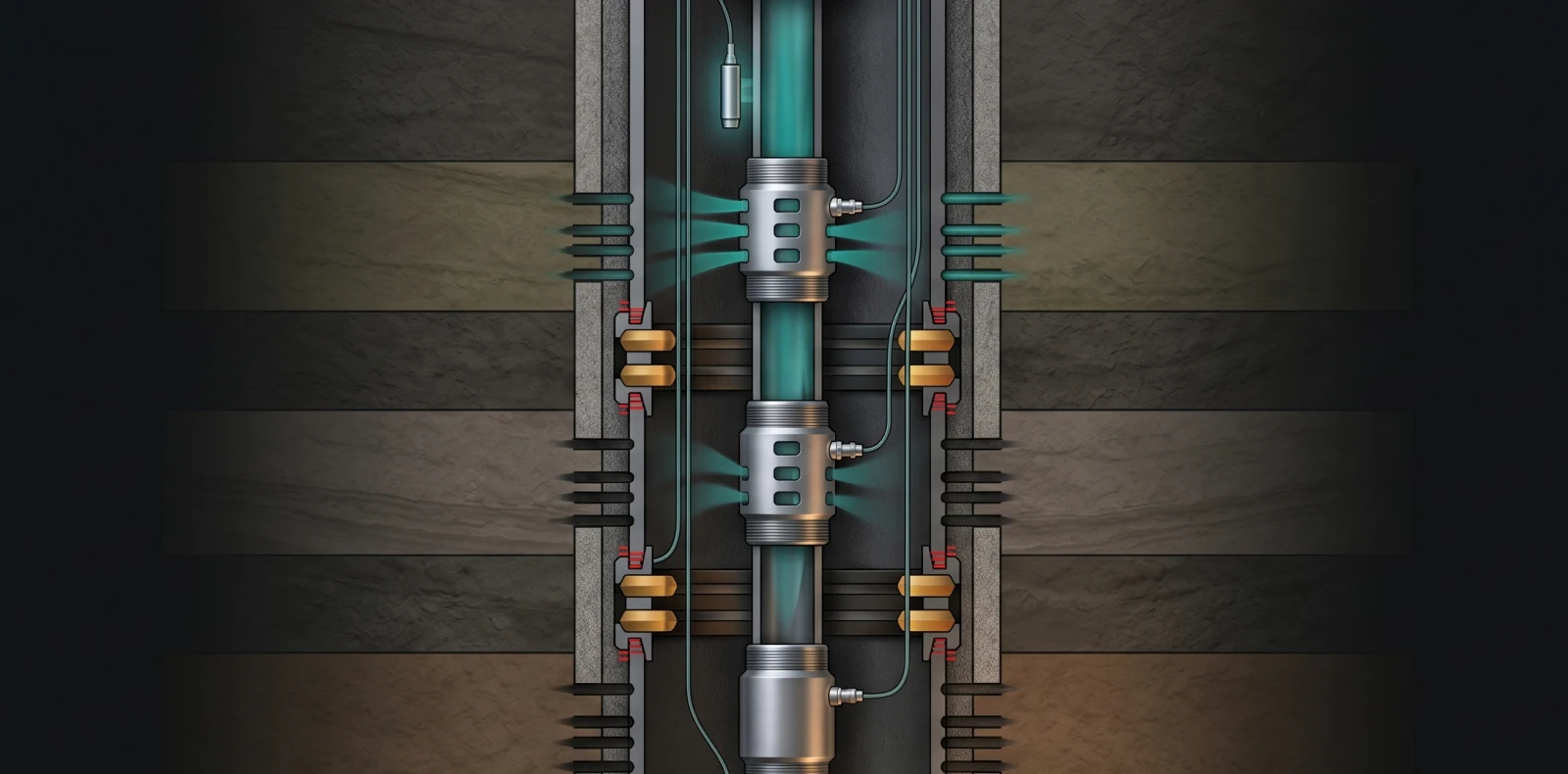
Imagine adjusting flow from each zone of a multi-zone reservoir in real time, from surface, without ever sending a rig downhole. That is the promise of intelligent well completion, and for an engineer just trying to understand the basics, the concept is more concrete than the marketing suggests once you see how the pieces connect.
June 8, 2026
Oil & Gas Equipment Companies in India: Manufacturer Directory 2026
Navigating India's oilfield equipment landscape is challenging without a comprehensive directory, and procurement teams asking "who are the best manufacturers for this?" often lose weeks to vendor research. This directory profiles the key oil and gas equipment companies in India with verified capabilities, so you can build a qualified shortlist faster.
June 8, 2026
Liner Hanger Types & Selection: Complete Engineering Reference
What type of liner hanger does your well design require? The answer depends on setting depth, liner weight, and whether hydraulic or mechanical actuation suits the hole. For an engineer just trying to understand the basics, the liner hanger types break down into three categories — and knowing how they differ is the first step toward specifying the right one.
June 6, 2026
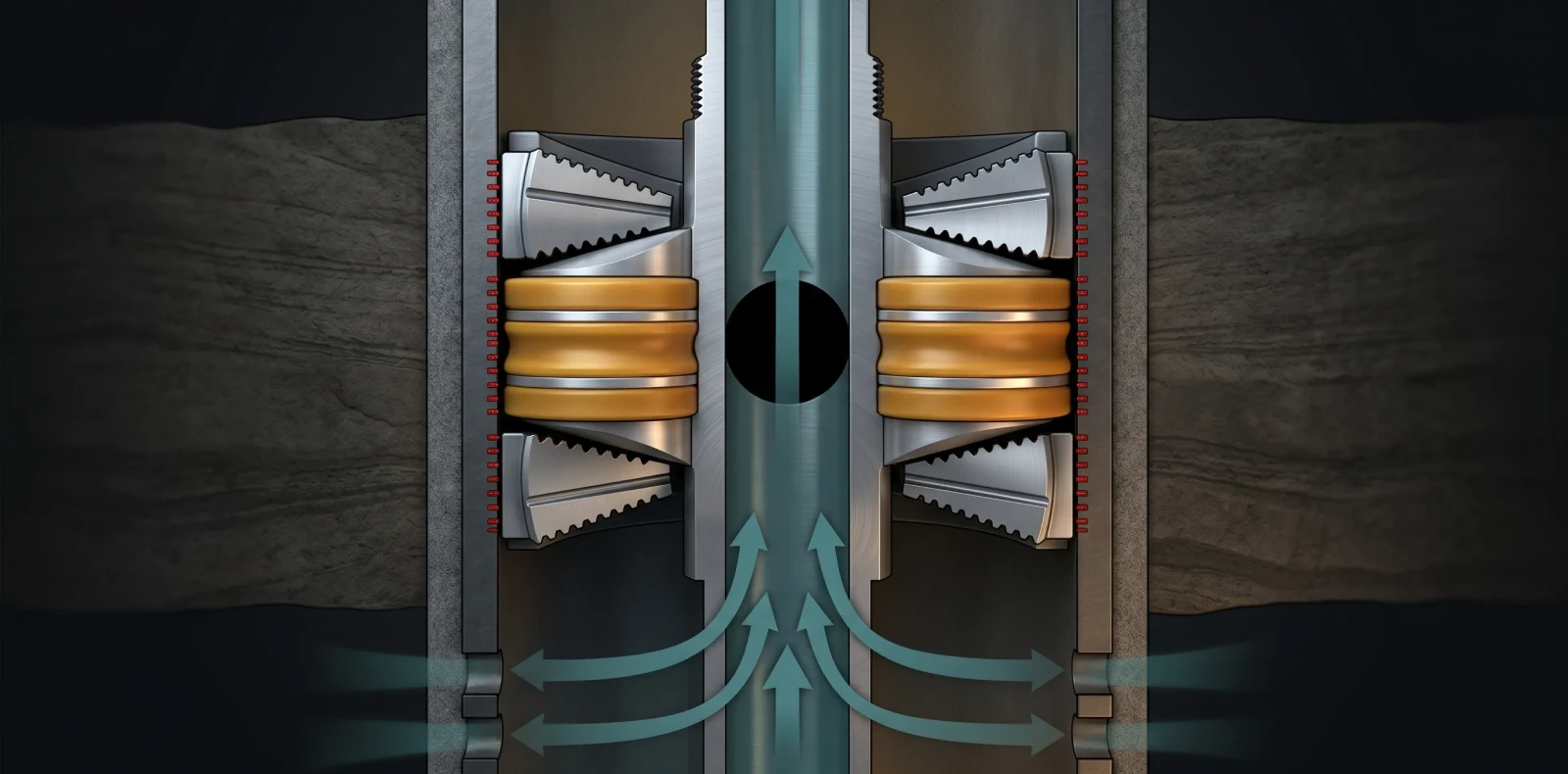
Packer in Well Completion- Functions & How to Select the Right One
Packers are installed in nearly every cased-hole completion worldwide, yet the packer in well completion remains one of the most consequential pieces of downhole hardware to understand. For anyone just trying to understand the basics, the packer is the component that makes controlled production possible by sealing the space between the tubing and the casing.
June 6, 2026
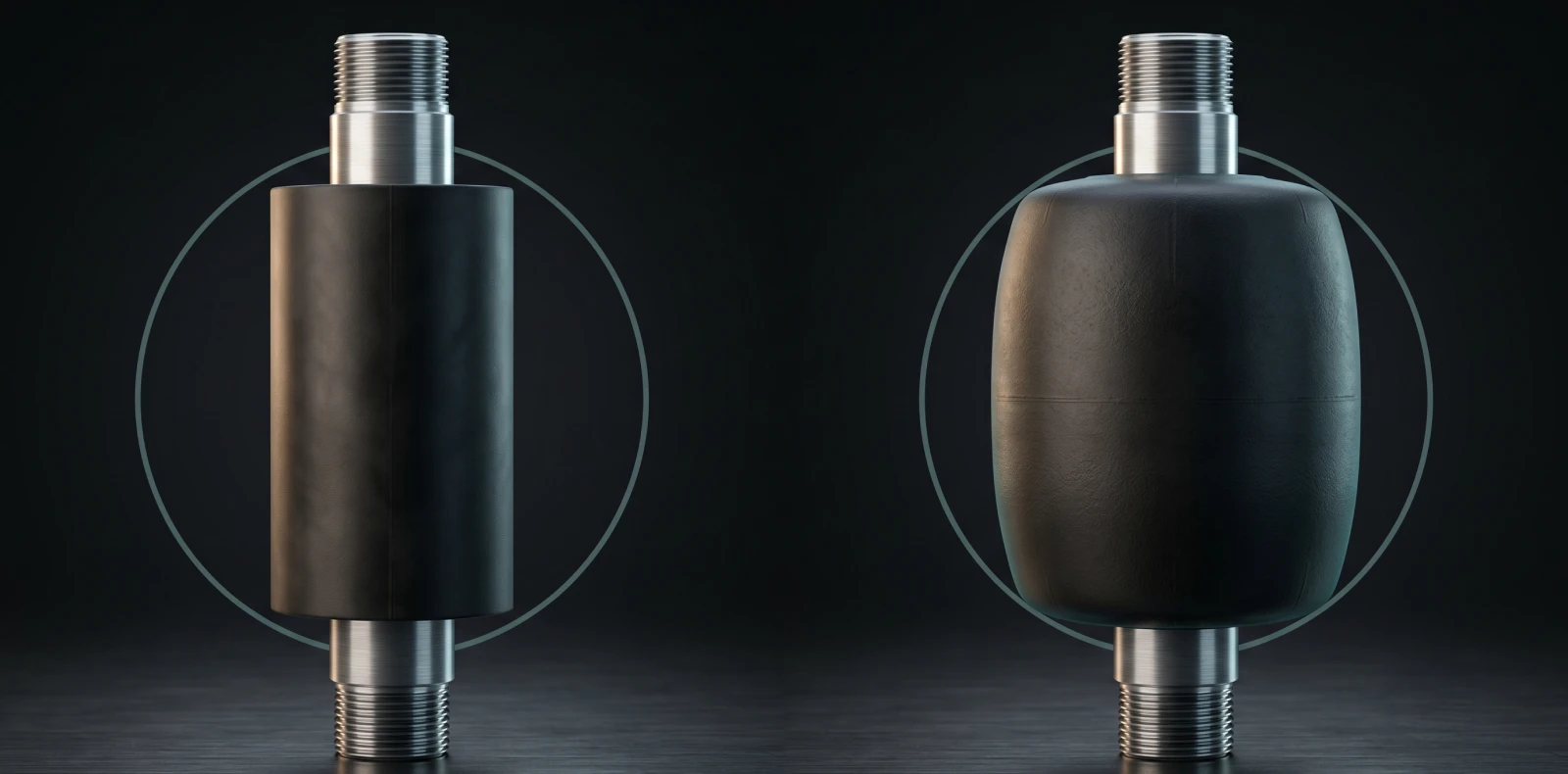
Swellable Packer Applications- Open Hole, HPHT & Water Shutoff Guide
When an operator needs to isolate an open hole section in a horizontal well without cementing, swellable packer applications offer the most direct route to a reliable annular seal. Across open hole zonal isolation, multistage fracturing, and water shutoff, the swellable packer has become the interventionless tool completion engineers reach for when running cement or mechanical packers is impractical or costly
June 6, 2026
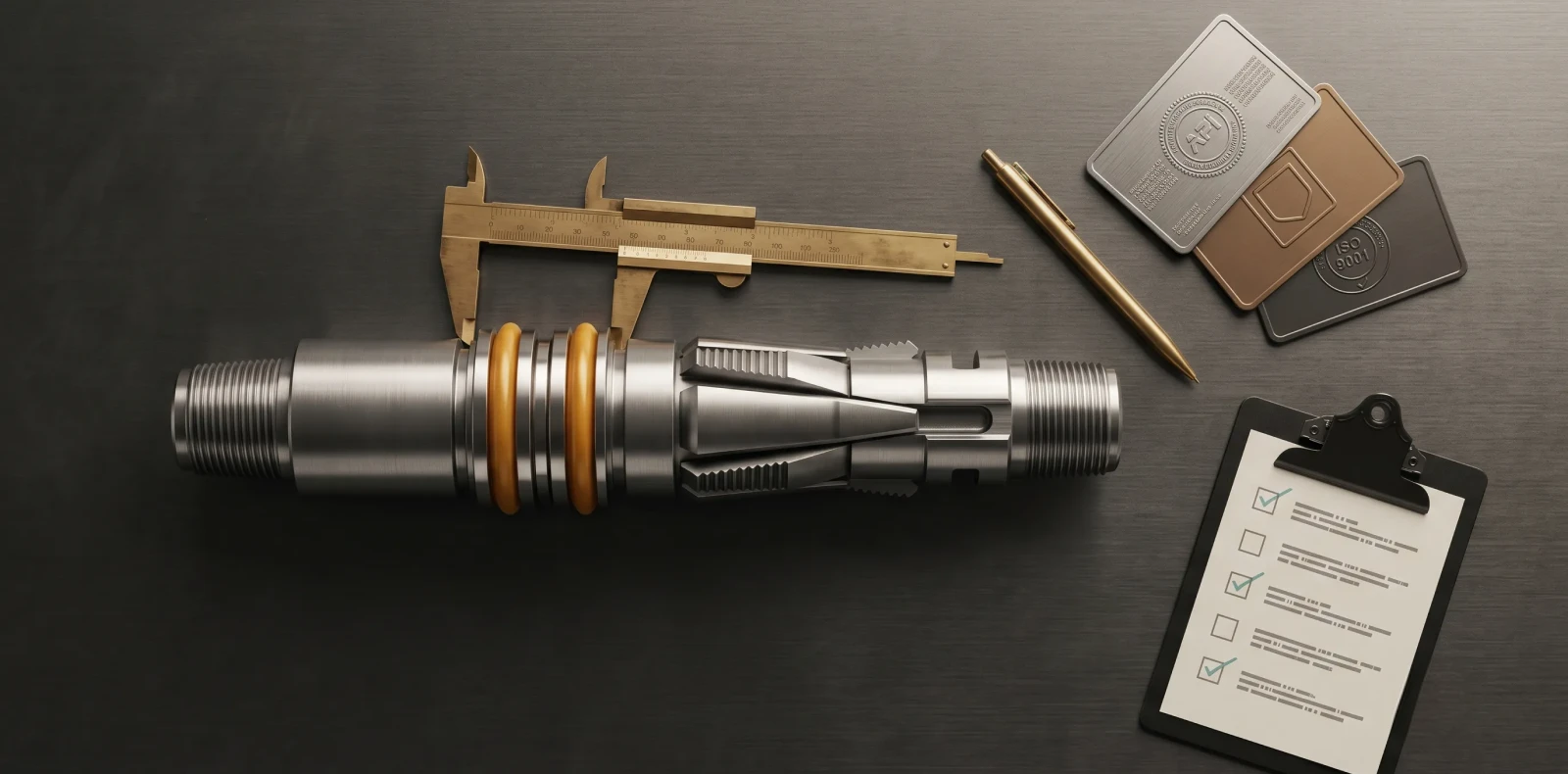
How to Choose an Oilfield Equipment Supplier A Procurement Guide
Choosing the wrong oilfield equipment supplier does not just waste procurement budget; it risks downhole failures that cost ten times the equipment price. Knowing how to choose an oilfield equipment supplier means looking past the catalog and the quotation to the evidence that a vendor can actually deliver safety-critical completion equipment. Procurement engineers who get this right treat the decision as risk management, not purchasing
June 6, 2026
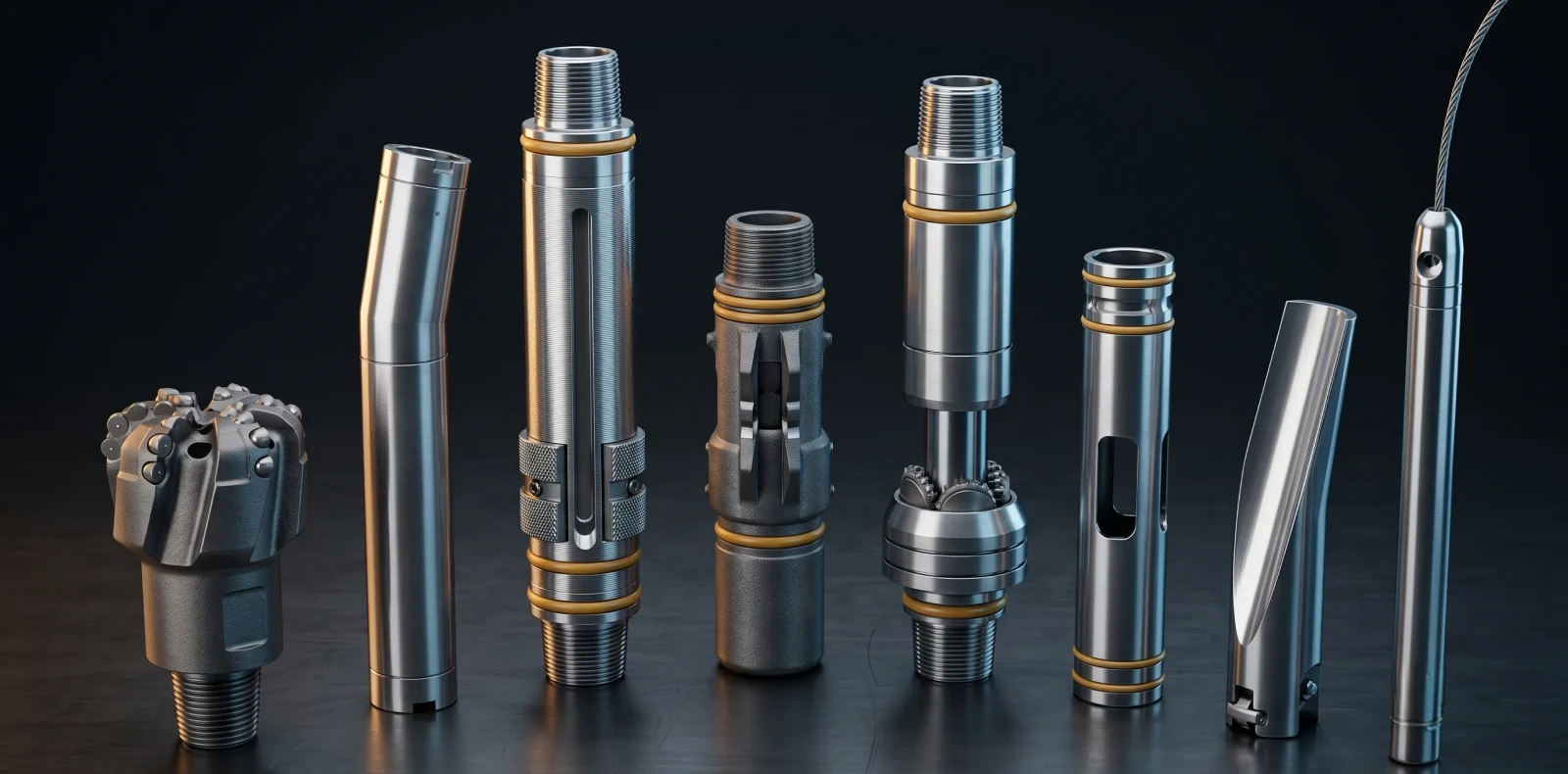
Top Downhole Tool Manufacturers & Suppliers 2026 Global Guide
The global downhole tools market exceeds 5 billion US dollars annually, and the list of companies claiming to serve it is far longer than any procurement team has time to vet. This guide narrows the field: it covers how to evaluate a downhole tool manufacturer, then profiles the global majors, the India-based OEMs, and Maximus OIGA — fairly, with real pros and cons, so you can build an RFQ shortlist without months of vendor research.
June 6, 2026
Sliding Sleeve Applications in Well Completion Types & Selection Guide
Sliding sleeves have evolved from simple open/close mechanisms into precision multi-zone flow control devices, and understanding their applications is now central to modern well completion design. This guide covers what a sliding sleeve does, the main types, real downhole applications, and how to select the right one — written for engineers trying to understand the basics and go a level deeper, not for a sales pitch.
June 6, 2026