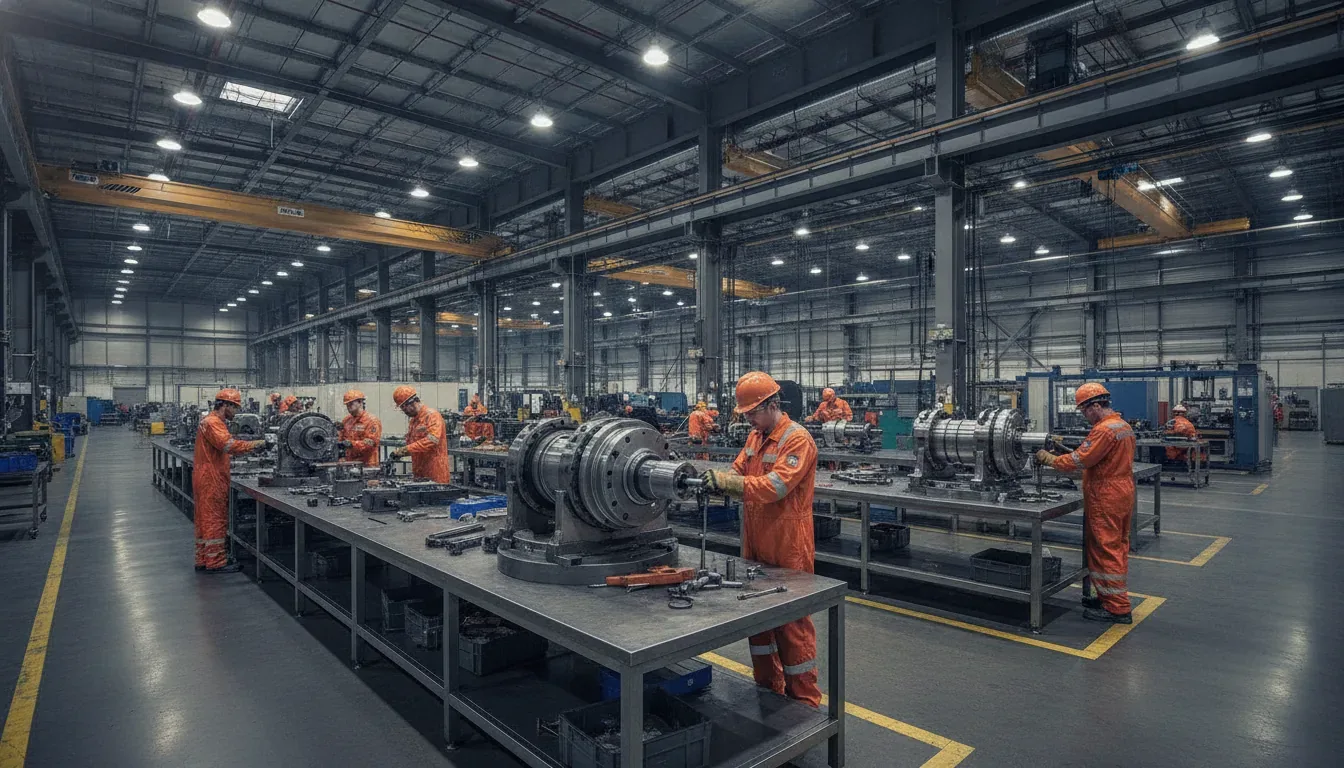
Best oil well tool manufacturers supplying Oman
Shortlisting oil well tool manufacturers supplying Oman starts with checks you can run yourself. This guide shows how to read a vendor's licence status on the API Composite List, what export paperwork to ask for, and how JSRS vendor registration works. Maximus OIGA Private Limited ships its SpectraMax line from its Manjusar / Savli GIDC plant in Vadodara and has no office or agent in Oman. SpectraMax lead time bands run 1 to 4, 4 to 12, and 8 to 16 weeks or more by product class.
Buying oil well completion tools for a field in Oman is rarely a price decision. The harder part is proving that the manufacturer behind the tool can deliver with documents an operator will accept, and that the tool is what its label claims.
This page covers how manufacturers supplying Oman actually reach the market, and how to check any vendor's certification on a public register yourself. It also sets out what vendor registration with Petroleum Development Oman and the other operators requires before a purchase order can be raised.
How does buying oil well tools into Oman actually work, and who supplies the market
Oil well tool manufacturers supplying Oman sell export-to-order. You request a quotation, the tools are built or configured against your purchase order, and they ship to an Omani port on agreed terms. Vendor registration through JSRS is mandatory before anyone can supply Petroleum Development Oman, and a manufacturer's certification status can be checked on the API Composite List.
One thing is worth settling early. Most manufacturers in this category, including Maximus OIGA Private Limited, have no office or agent in Oman and supply the market by export from their own plant. That is a normal arrangement. It changes what you should ask for: a lead time in writing, a documentation pack that satisfies customs and audit, and a clear answer on who clears the goods.
The first question is then which manufacturers actually serve this market, and on what basis you compare them.
Who actually supplies the Oman oil well tool market
The Oman oil well tool supply market is served by two different kinds of company, and the difference matters when you are shortlisting. Local Omani trading and service companies hold stock, carry agency lines and support work inside the country. Overseas manufacturers build the tools and export to order against a purchase order. A search for suppliers in Oman returns mostly the first group, because the local layer ranks and the manufacturers behind the product usually do not.
Petroleum Development Oman and the other operators buy through registered vendors, so whichever layer you shortlist has to clear JSRS registration somewhere in the chain. These are the four points worth comparing across all of them.
| What to check | Local Omani trading and service company | Regional Gulf supplier or refurbisher | Overseas manufacturer exporting to order |
|---|---|---|---|
| Where the tools are made | Bought in from manufacturers overseas or regionally. Ask who actually made the tool. | Mixed. Some manufacture, some refurbish or re-dress tools made elsewhere. | Its own plant. Maximus OIGA Private Limited builds at Manjusar / Savli GIDC, Vadodara, India. |
| Product coverage | Broad catalogue across many brands, usually led by what is in stock. | Often focused on fishing tools, mills and stabilisers, plus refurbishment. | A defined product line. The SpectraMax line covers eight families across the completion string. |
| API Composite List status | Usually none of its own. It resells, so the licence sits with the plant that made the tool. | Check each facility separately. A licence is facility specific, not company wide. | Check the plant address, not the group name. As at 07 Sept 2026 the list showed no active API Monogram licence for Maximus OIGA Private Limited. |
| Published lead times | Rarely published. A stock item may ship the same week. | Not published by any supplier checked for this page. | Maximus OIGA Private Limited publishes bands of 1 to 4, 4 to 12, and 8 to 16 weeks or more by product class. |
| Presence in Oman | Registered Omani entity, local staff, often a JSRS certificate already held. | Usually a Gulf entity serving Oman from outside the country. | No office or agent in Oman. Supplies by export to order. |
| Ask for first | The manufacturer's name and the licence number of the plant that made the tool. | Whether the tool is new manufacture or refurbished, and the test records either way. | The lead time in writing, the documentation pack, and who clears customs. |
No row above declares a winner, because there is no single right answer. If a well is waiting and the item is standard, the local layer moves faster. If the tool has to be built to the well, only the manufacturer layer can do it, and the trade is time.
Every row turns on one thing you can check yourself in a few minutes: whether the plant that made the tool holds a current licence, and for which specification.
How do you verify a completion-tool manufacturer before you approve them
The API Composite List is the public register where you confirm whether a manufacturer holds a current API Monogram licence, and for which specification. It is published by the American Petroleum Institute and it is searchable by company name, certificate number, specification and status. The check takes a few minutes and it is the single most useful thing a buyer can do before approving a vendor.
- Search by company name, then confirm the plant address. A licence is facility specific: it belongs to the plant that made the tool, not to the group that owns the plant. A supplier with three works may hold a licence at one of them.
- Read the status field rather than the presence of an entry. Active means the facility holds a valid licence. Applicant means it has applied and the audit is still pending. Withdrawn means the licence, registration or application is no longer valid and the facility is not authorised to use the marks.
- Match the specification on the entry to your tool class. A licence is granted against a named specification, so a licence covering one product class tells you nothing about another.
- Ask the vendor for the licence number and match it to the register entry. A vendor that says it is certified to an API specification without giving you a number has given you nothing to check.
- Note the date you checked. The register is live and a status can change between your shortlist and your purchase order.
Two traps are worth knowing about. Not every specification a vendor quotes belongs to the Monogram programme in the first place. API 19LH is one example. It is not a Monogram specification, so no facility anywhere can hold a Monogram licence against it. API also publishes fraud alerts covering known counterfeit and unauthorised use of its marks. Read them if a price or a delivery promise looks unusual for the class.
This check is separate from JSRS registration. One tells you whether the tool is what it claims to be. The other tells you whether the vendor can sell into Oman at all. You need both answers, and they come from different places.
Once a manufacturer clears the register check, the next question is how long the tools will actually take.
What lead times can you expect on completion tools into Oman
Completion-tool lead times into Oman fall into three published bands by product class: 1 to 4 weeks, 4 to 12 weeks, and 8 to 16 weeks or more. Maximus OIGA Private Limited publishes those bands for the SpectraMax line.
What sets the band is how far the tool sits from an existing configuration.
- A standard configuration from the existing range, in a common casing size and material, sits in the 1 to 4 week band.
- A tool engineered to order, with a non-standard size, elastomer or metallurgy, moves into the 4 to 12 week band.
- Anything needing new tooling, a long material lead time or a wider test and documentation scope sits at 8 to 16 weeks or more.
Shipping time to an Omani port sits on top of the manufacturing band, not inside it. Ask for the two separately, or you will plan against a date that was never quoted. Stock availability is a different question again, and a local trading company will beat any overseas manufacturer on an item already sitting in a warehouse in Oman.
Published lead times are rare in this category. Across the manufacturer and supplier websites checked for this page on 07 and 11 Sept 2026, not one published a lead time. That set included a supplier actively serving Oman from the UAE. Use it when you compare quotes: a supplier who will not put a date in writing is asking you to carry the schedule risk.
What arrives with the tools matters as much as when they arrive.
What export documentation ships with an order into Oman
The export documentation pack is the set of material and test records that travel with the order. For completion tools entering Oman it should cover six things: the material test report, the inspection and test plan, heat traceability, the test and inspection reports, the certificate of origin, and the commercial and shipping documents.
- Material test report (MTR). The mill's record of the chemistry and mechanical properties of the steel used, which is what lets you tie the finished tool back to a heat of material.
- Inspection and test plan (ITP). What was inspected and tested, at which stage, against which standard, and who signed it off. This is the document an auditor asks for first.
- Heat traceability. The link between the heat number on the MTR and the serial number stamped on the tool in your hand. Without it the MTR belongs to no particular tool.
- Test and inspection reports. The results from the plan above, including pressure testing where the tool class calls for it.
- Certificate of origin. Needed for customs clearance and for In-Country Value reporting.
- Commercial and shipping documents. Invoice, packing list, and the bill of lading or air waybill.
Specify the pack on the purchase order rather than asking for it after delivery. A document produced later is a reconstruction, and on audit it is worth less than one issued at the time.
The pack is also the honest answer to a question buyers often ask the wrong way round. A badge on a website tells you what a company says about itself. An MTR with a heat number that matches the tool in front of you tells you what the tool is.
Where a vendor quotes a pressure or temperature rating, ask which standard the rating was validated against and ask to see the test report behind it. A figure in a brochure and a figure on a validation report are different things, and only one of them is evidence.
None of this documentation gets used, though, until the vendor is registered.
How do you register to supply oil and gas operators in Oman
JSRS, the Joint Supplier Registration System, is Oman's mandatory vendor registration system. It is operated by Business Gateways International on behalf of the Ministry of Energy and Minerals. A valid JSRS certificate is mandatory for any vendor wanting to do business with Petroleum Development Oman. Other operators in the country use the same system, so one registration carries across most of the market.
Registration runs in three stages: complete the registration form, submit the required documents, then receive certification once the submission is accepted.
JSRS also carries In-Country Value enablement. Oman weights local content in oil and gas procurement, so where a supplier sits on ICV affects how a bid is scored as well as whether it is admissible at all. For a buyer, the vendor registration question and the local content question arrive together.
An overseas manufacturer has two workable routes into this. It registers in its own right where the operator's category allows, or it supplies through a registered Omani vendor who already holds the certificate and the ICV position. Which route applies depends on the operator and the category, so put the question to the operator's contracts team before you build a bid around either one.
Ask any overseas manufacturer, including Maximus OIGA Private Limited, which of those two routes it uses for Oman today. The answer moves your timeline more than any other single question on this page.
With registration settled, what remains is how the tools physically arrive.
Need expert guidance on the right solution?
Talk to our engineers about your project requirements.
How does shipping oil well tools into Oman work
Shipping completion tools into Oman runs by sea to one of the country's commercial ports, or by air into Muscat when a well is waiting. The Port of Sohar, the Port of Duqm and Salalah handle the industrial and general cargo traffic. The choice usually follows where the field is and which clearing agent the buyer already uses. Customs clearance runs against the documentation pack, so the certificate of origin and the commercial documents matter as much as the technical records.
Four things are worth fixing at quotation stage rather than after the tools are built.
- The delivery location. A quotation to a port is not a quotation to your site, and the gap between them can be substantial in Oman's interior.
- The incoterm. It decides who books the freight, who insures it, who clears customs, and the point at which risk passes to you.
- Whether the quoted price includes duties, port charges and local handling, or stops at the ship's rail.
- Who holds the import licence where the category requires one, and whose name goes on the clearance.
Sea freight from an Indian west coast port into Oman is short next to the manufacturing band. It is the paperwork rather than the sailing that usually slips, so agreeing incoterms at quotation stage removes most of the risk.
That leaves the question of what you can actually buy.
Which oil well tool product families can you get for the Oman market
The SpectraMax completion-tool line covers eight product families across the completion string. They are packer systems, liner hangers, flow control equipment, float equipment, stage cementing tools, cast iron and composite bridge plugs, cement retainers, and the accessories that run with them. Maximus OIGA Private Limited lists more than forty named models across those families.
Each family runs two ways. A standard configuration comes from the existing range in a common casing size and material. An engineered to order build changes the size, the elastomer, the metallurgy or the setting method to suit the well. The second route is why the lead time bands exist at all, and it is the reason a manufacturer can answer a requirement a stock list cannot.
On ratings, be specific about what you ask for. The packer and bridge plug classes are governed by ISO 14310, which sets validation grades running from V6 up to V0, with V0 the most demanding gas-tight grade. A grade belongs to a specific tool that was tested to it. It does not belong to a product line, a catalogue or a company.
That makes the question a narrow one: which grade was this particular tool validated to, and can you see the report? Put it to every vendor on your shortlist and compare the reports rather than the brochures. A liner hanger, a packer and a bridge plug are judged on different criteria, so the answer has to come tool by tool.
Which oil well tool product families can you get for the Oman market
The SpectraMax completion-tool line covers eight product families across the completion string. They are packer systems, liner hangers, flow control equipment, float equipment, stage cementing tools, cast iron and composite bridge plugs, cement retainers, and the accessories that run with them. Maximus OIGA Private Limited lists more than forty named models across those families.
Each family runs two ways. A standard configuration comes from the existing range in a common casing size and material. An engineered to order build changes the size, the elastomer, the metallurgy or the setting method to suit the well. The second route is why the lead time bands exist at all, and it is the reason a manufacturer can answer a requirement a stock list cannot.
On ratings, be specific about what you ask for. The packer and bridge plug classes are governed by ISO 14310, which sets validation grades running from V6 up to V0, with V0 the most demanding gas-tight grade. A grade belongs to a specific tool that was tested to it. It does not belong to a product line, a catalogue or a company.
That makes the question a narrow one: which grade was this particular tool validated to, and can you see the report? Put it to every vendor on your shortlist and compare the reports rather than the brochures. A liner hanger, a packer and a bridge plug are judged on different criteria, so the answer has to come tool by tool.
What does a manufacturer like this not have in Oman
Maximus OIGA Private Limited has no office, no local entity and no appointed agent in Oman. It supplies the market by export to order from its plant at Manjusar / Savli GIDC, Vadodara, India. In plain terms: no local office, no agent, and no stock held inside the country.
That has four practical consequences for a buyer.
- No same-day stock. A local trading company will beat any overseas manufacturer on an item already in a warehouse in Oman.
- No personnel at the well. The tools are supplied. Running them is the operator's or the service company's job.
- Registration and customs clearance follow the routes set out above rather than going through a local branch.
- Everything runs through the quotation and the documentation, which is why being precise in both is worth the effort.
This is stated plainly because the alternative is worse for everyone. A page that implies a presence the supplier does not hold creates its problem on the first delivery rather than on the website. By then the well programme is already built around it.
The same test applies to every claim here, which is why each one comes with a source you can open.
How can you verify any of this yourself
Every factual claim on this page comes from a source you can check directly. Licence status comes from the API Composite List, published by the American Petroleum Institute and searchable by company, certificate number and specification. Oman registration and local content requirements come from the JSRS portal operated by Business Gateways and from the Ministry of Energy and Minerals. Tool class requirements come from the published standards themselves.
Each one carries the query date below, because a register entry is only true as at the day it was read.
- API Composite List, checked 07 Sept 2026. As at that date the list showed no active API Monogram licence for Maximus OIGA Private Limited. If you are reading this later, check again, because the register updates in real time.
- JSRS and In-Country Value requirements, checked 11 Sept 2026 against the Business Gateways JSRS portal and Omani government sources.
- Lead time publication across the manufacturer and supplier set, checked 07 and 11 Sept 2026.
- Oman market and supplier mix, read from a live search of the Omani market on 11 Sept 2026.
If you represent a company described on this page and something here is out of date or inaccurate, write to Maximus OIGA Private Limited with the source. The page will be corrected and the date of the change shown.
With the sources settled, the last step is turning a shortlist into a quotation.
Frequently asked questions
How do I check if an oil well tool is genuinely licensed to an API specification?
Search the API Composite List for the plant that made the tool, not the company that sold it, then read the status field. Active means the facility holds a valid licence. Applicant means the audit is still pending. Withdrawn means it is no longer valid.
Then confirm the specification on the entry matches your tool class, and ask the vendor for the licence number so you can match it to the entry yourself. Note the date you checked. That sequence is also the practical defence against a counterfeit tool, because a counterfeit carries a mark but never a matching register entry.
Do I need JSRS registration to buy for an Oman operator?
The vendor needs it rather than the buyer. A valid JSRS certificate is mandatory for any vendor doing business with Petroleum Development Oman, and other Omani operators use the same system.
If you are buying from an overseas manufacturer, it either registers directly where the operator's category allows, or it supplies through a registered Omani vendor who holds the certificate. Confirm which applies before the bid rather than after.
What lead times apply to completion tools supplying Oman?
Three bands by product class: 1 to 4 weeks, 4 to 12 weeks, and 8 to 16 weeks or more. Standard configurations sit at the short end, engineered to order builds in the middle, and anything needing new tooling or a wide test scope at the long end.
Shipping to an Omani port is added on top of the band rather than included in it, so ask for both figures.
Does Maximus OIGA Private Limited have an office in Oman?
No. It has no office, no local entity and no appointed agent in Oman. It supplies the market by export to order from its plant at Manjusar / Savli GIDC, Vadodara, India.
Orders run through a quotation, an agreed incoterm and the export documentation pack rather than through a local branch.
Related Blogs
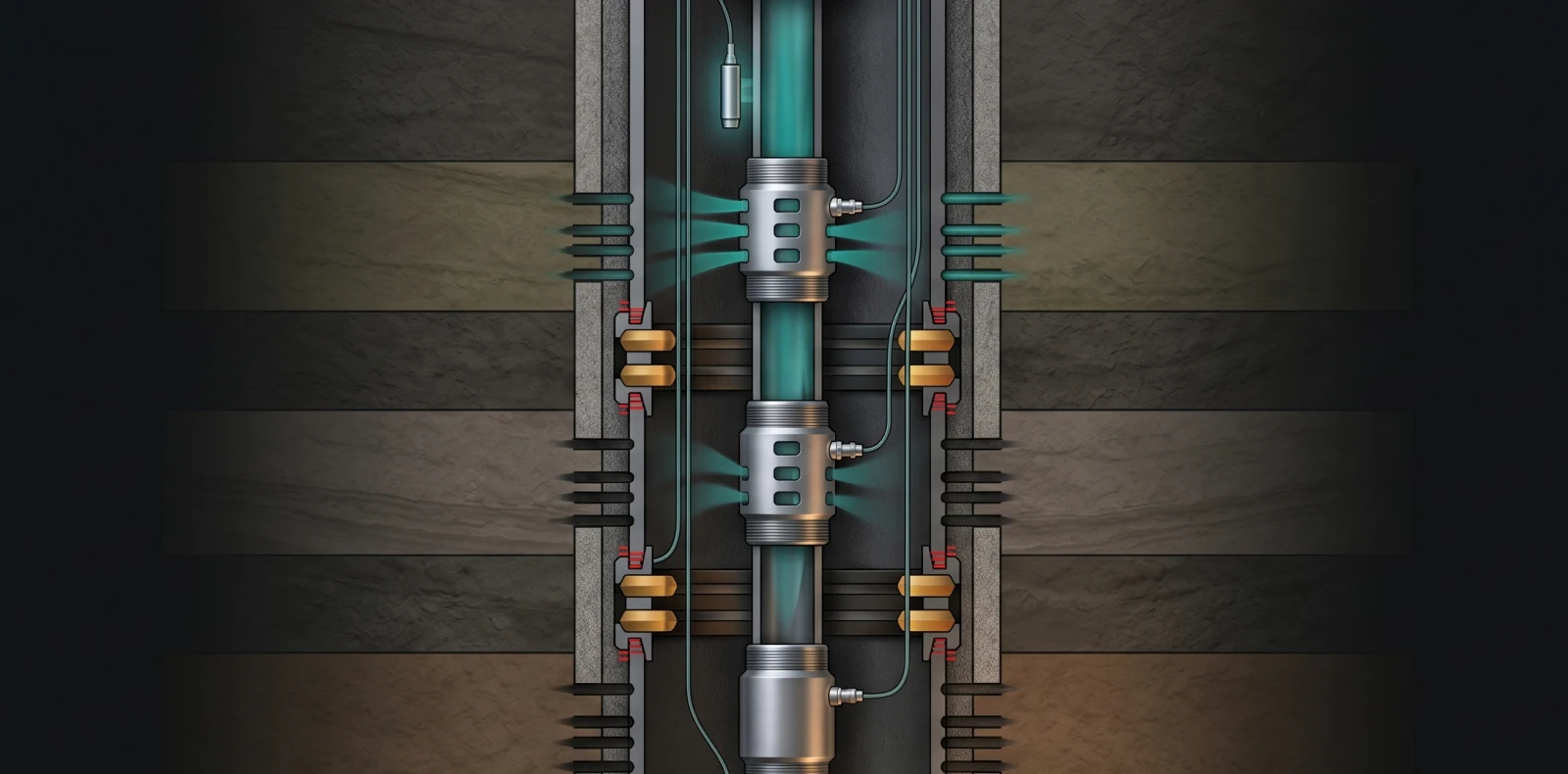
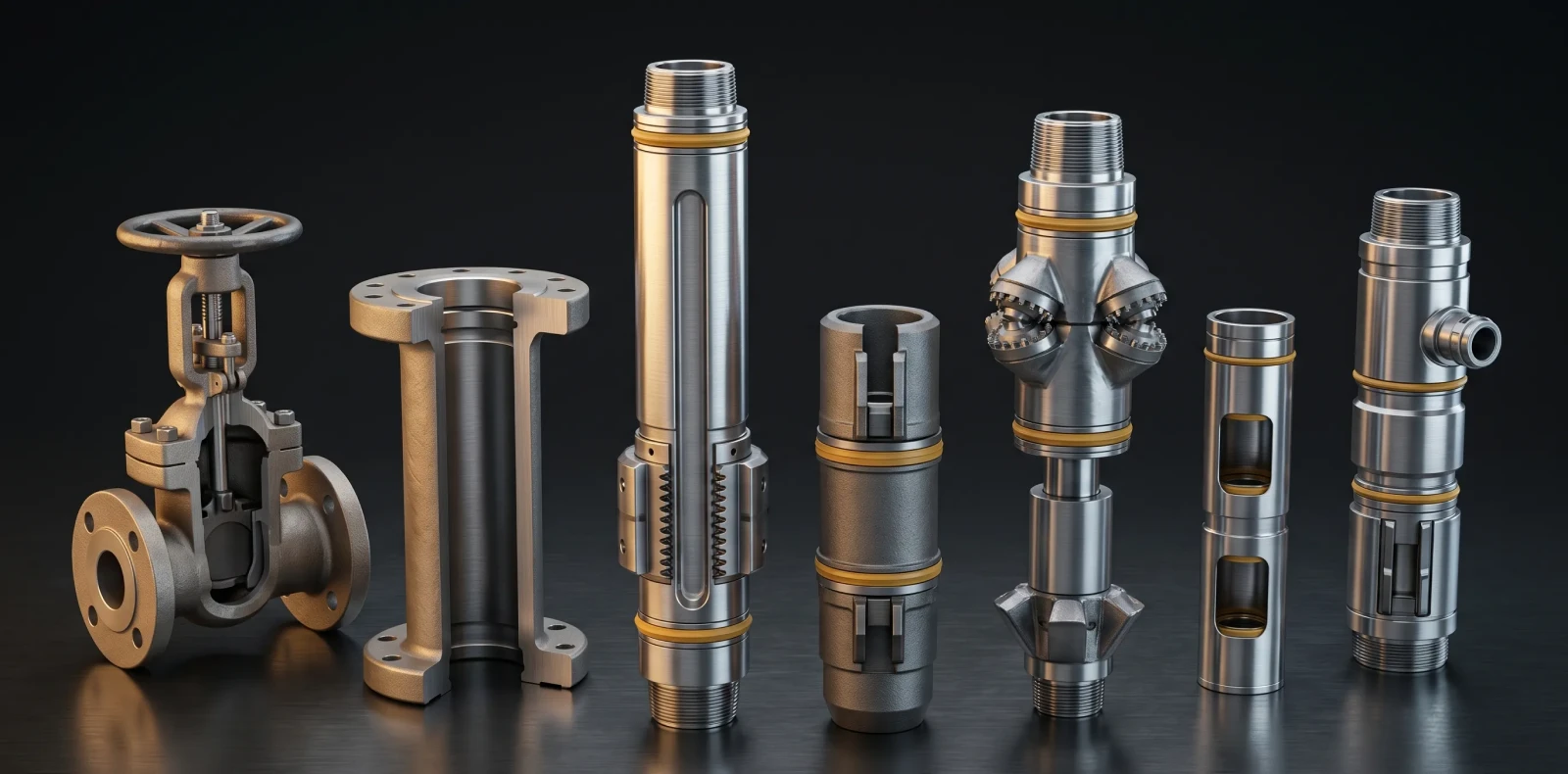
More Information
Related News & Insights
Coiled tubing tools
Coiled tubing tools fall into three groups, and this guide covers the completion tools coiled tubing sets: bridge plugs, cement retainers and packers. It explains how coiled tubing changes reach and setting force, how to choose between the three, and the six details a quote needs. Maximus OIGA Private Limited builds these SpectraMax tools to order at its Manjusar / Savli plant in Vadodara but does not supply the coiled tubing or run the job. SpectraMax lead time bands run 1 to 4, 4 to 12, and 8 to 16 weeks or more by product class.
September 21, 2026
ADNOC ICV certification: what a completion-tool supplier actually needs
No ADNOC ICV certificate means a 0% In-Country Value score at tender award. This guide explains how a MoIAT-approved body scores your audited accounts, what documents you need, and why you renew each year. It also shows why an overseas maker cannot hold the certificate for you, and what its paperwork can add. Maximus OIGA Private Limited builds the SpectraMax line to order at its Manjusar / Savli plant in Vadodara and ships each order with that paperwork.
September 21, 2026
ISO 14310 & API 11D1 Validation Grades: V6 to V0 Explained
Many engineers assume a higher V-number means a tougher packer. It is the opposite. Under ISO 14310 packer validation grades, the scale runs from V6, the minimum, down to V0, the most demanding gas-tight grade — so a lower number means more severe testing, not less. For anyone just trying to understand the basics, that inversion is where most confusion starts.
June 8, 2026
Intelligent Well Completion: Systems, Components and Equipment
Imagine adjusting flow from each zone of a multi-zone reservoir in real time, from surface, without ever sending a rig downhole. That is the promise of intelligent well completion, and for an engineer just trying to understand the basics, the concept is more concrete than the marketing suggests once you see how the pieces connect.
June 8, 2026
Oil & Gas Equipment Companies in India: Manufacturer Directory 2026
Navigating India's oilfield equipment landscape is challenging without a comprehensive directory, and procurement teams asking "who are the best manufacturers for this?" often lose weeks to vendor research. This directory profiles the key oil and gas equipment companies in India with verified capabilities, so you can build a qualified shortlist faster.
June 8, 2026
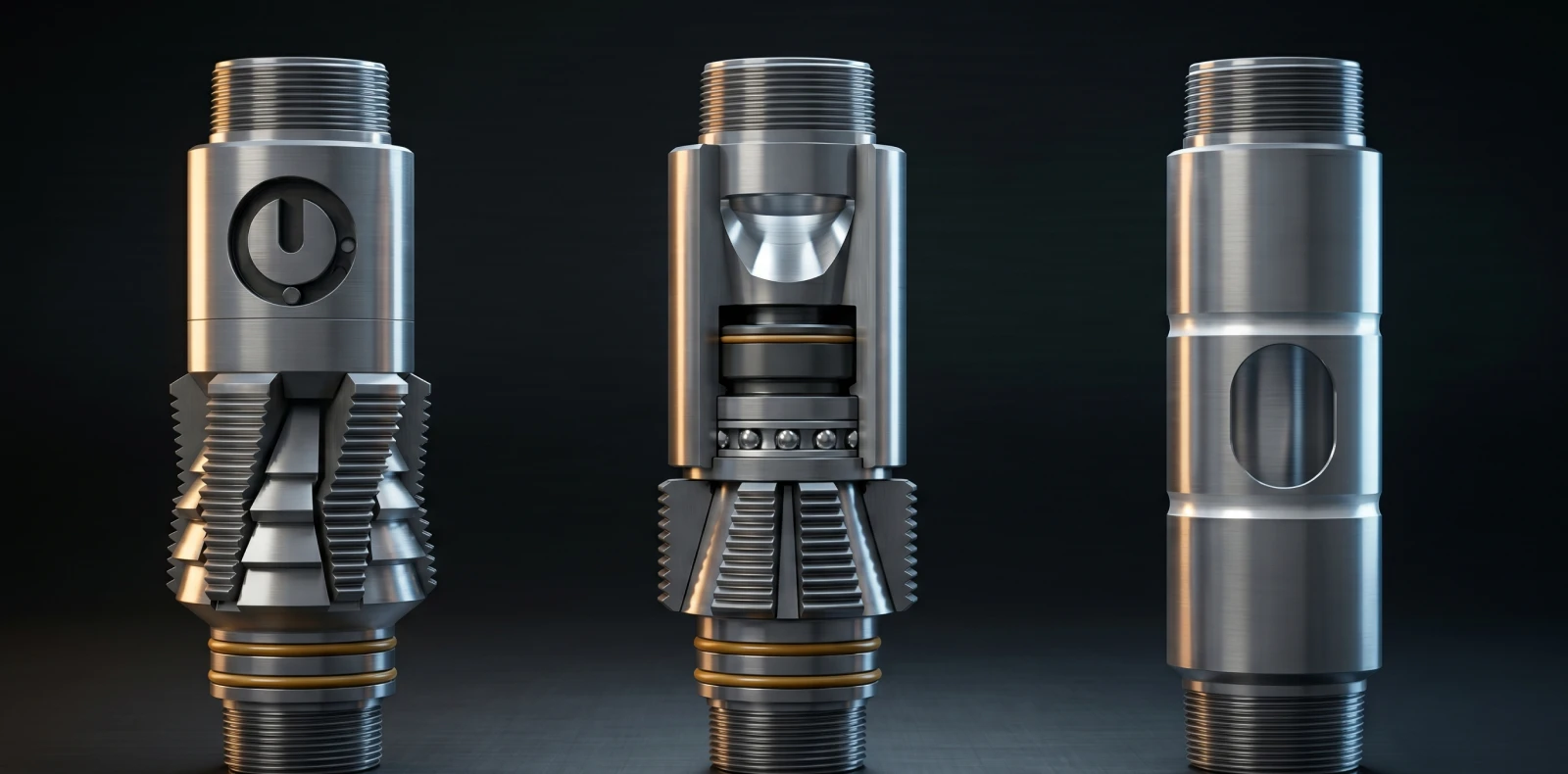
Liner Hanger Types & Selection: Complete Engineering Reference
What type of liner hanger does your well design require? The answer depends on setting depth, liner weight, and whether hydraulic or mechanical actuation suits the hole. For an engineer just trying to understand the basics, the liner hanger types break down into three categories — and knowing how they differ is the first step toward specifying the right one.
June 6, 2026
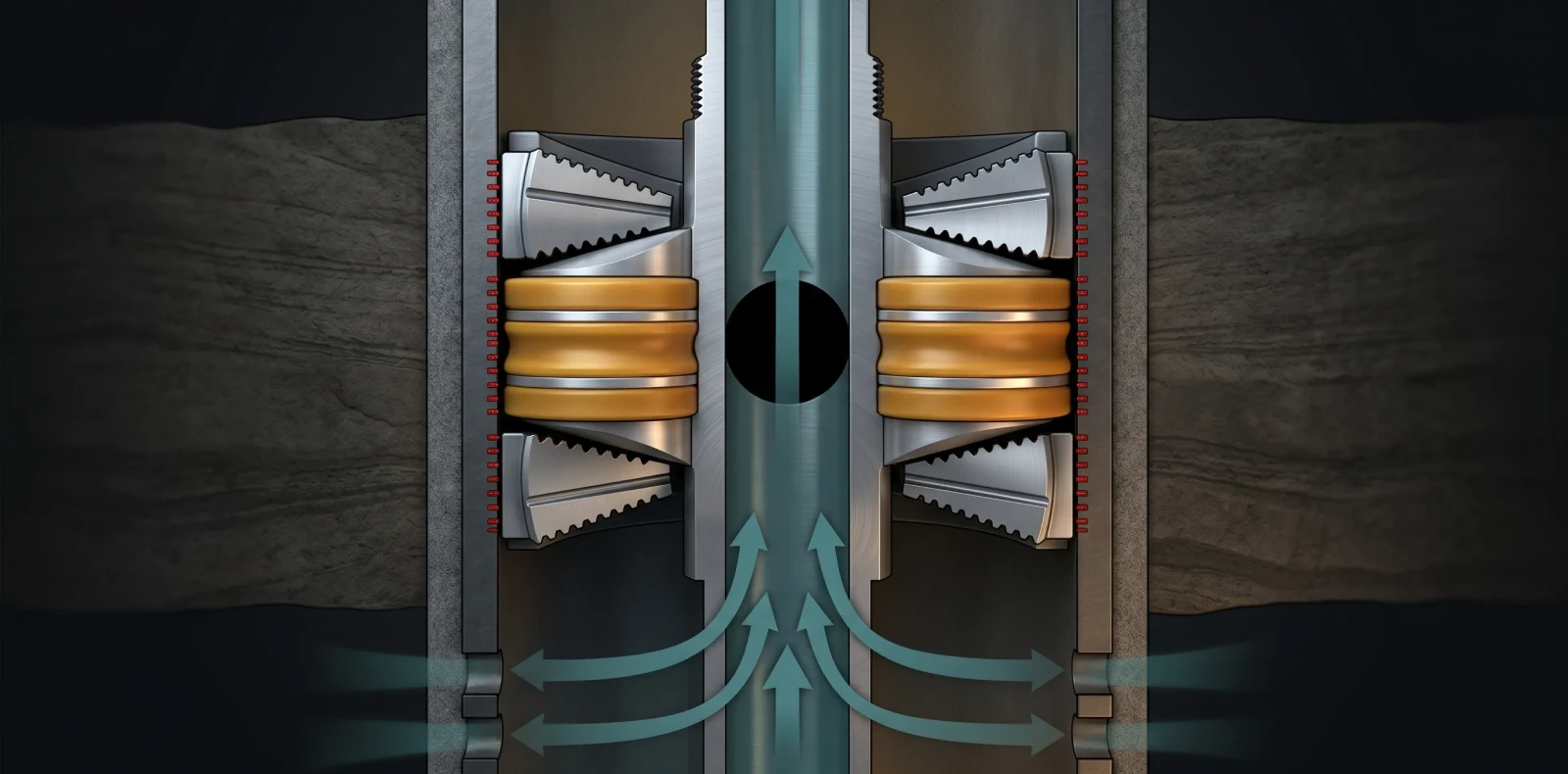
Packer in Well Completion- Functions & How to Select the Right One
Packers are installed in nearly every cased-hole completion worldwide, yet the packer in well completion remains one of the most consequential pieces of downhole hardware to understand. For anyone just trying to understand the basics, the packer is the component that makes controlled production possible by sealing the space between the tubing and the casing.
June 6, 2026
Swellable Packer Applications- Open Hole, HPHT & Water Shutoff Guide
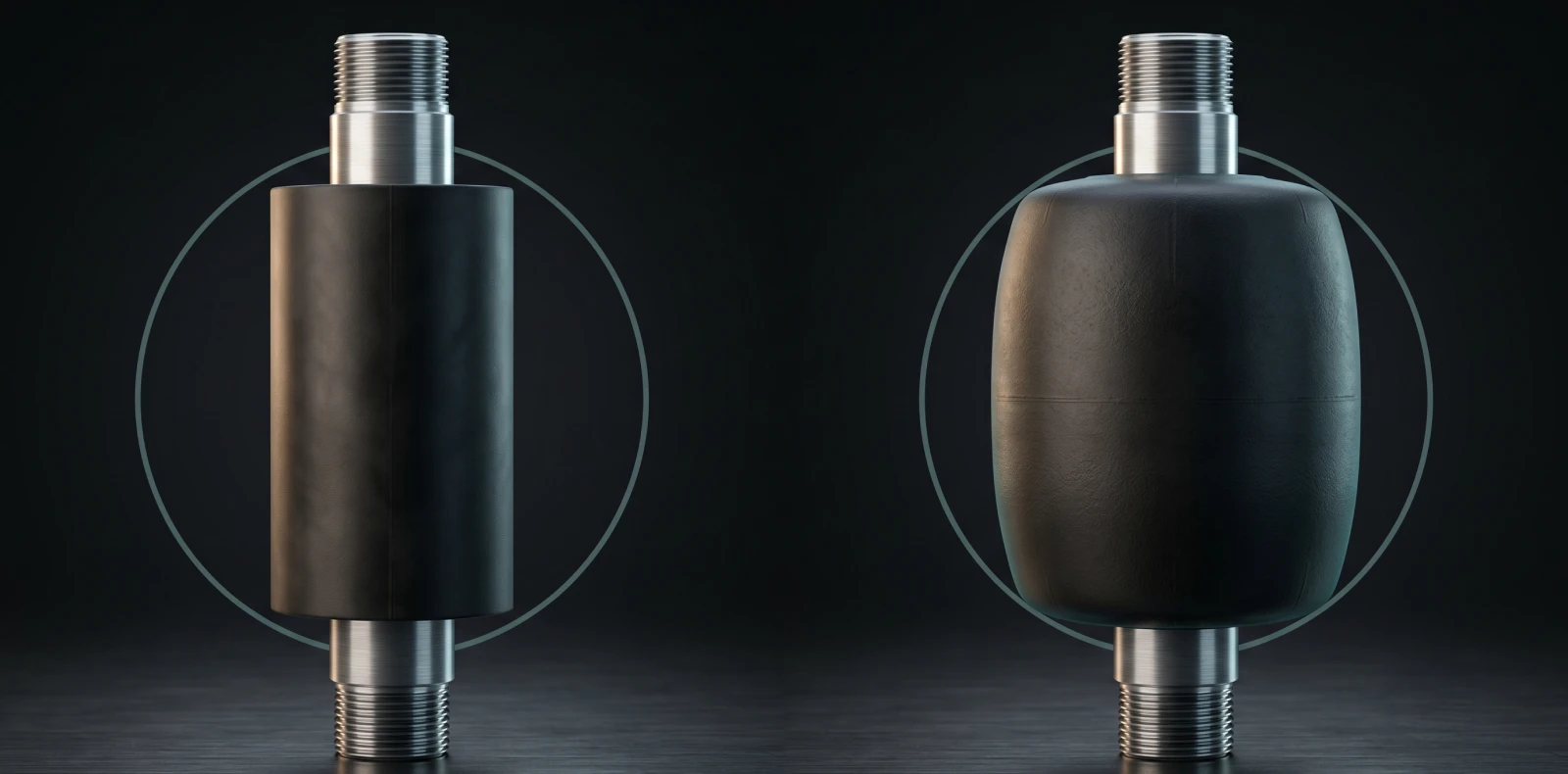
When an operator needs to isolate an open hole section in a horizontal well without cementing, swellable packer applications offer the most direct route to a reliable annular seal. Across open hole zonal isolation, multistage fracturing, and water shutoff, the swellable packer has become the interventionless tool completion engineers reach for when running cement or mechanical packers is impractical or costly
June 6, 2026
How to Choose an Oilfield Equipment Supplier A Procurement Guide
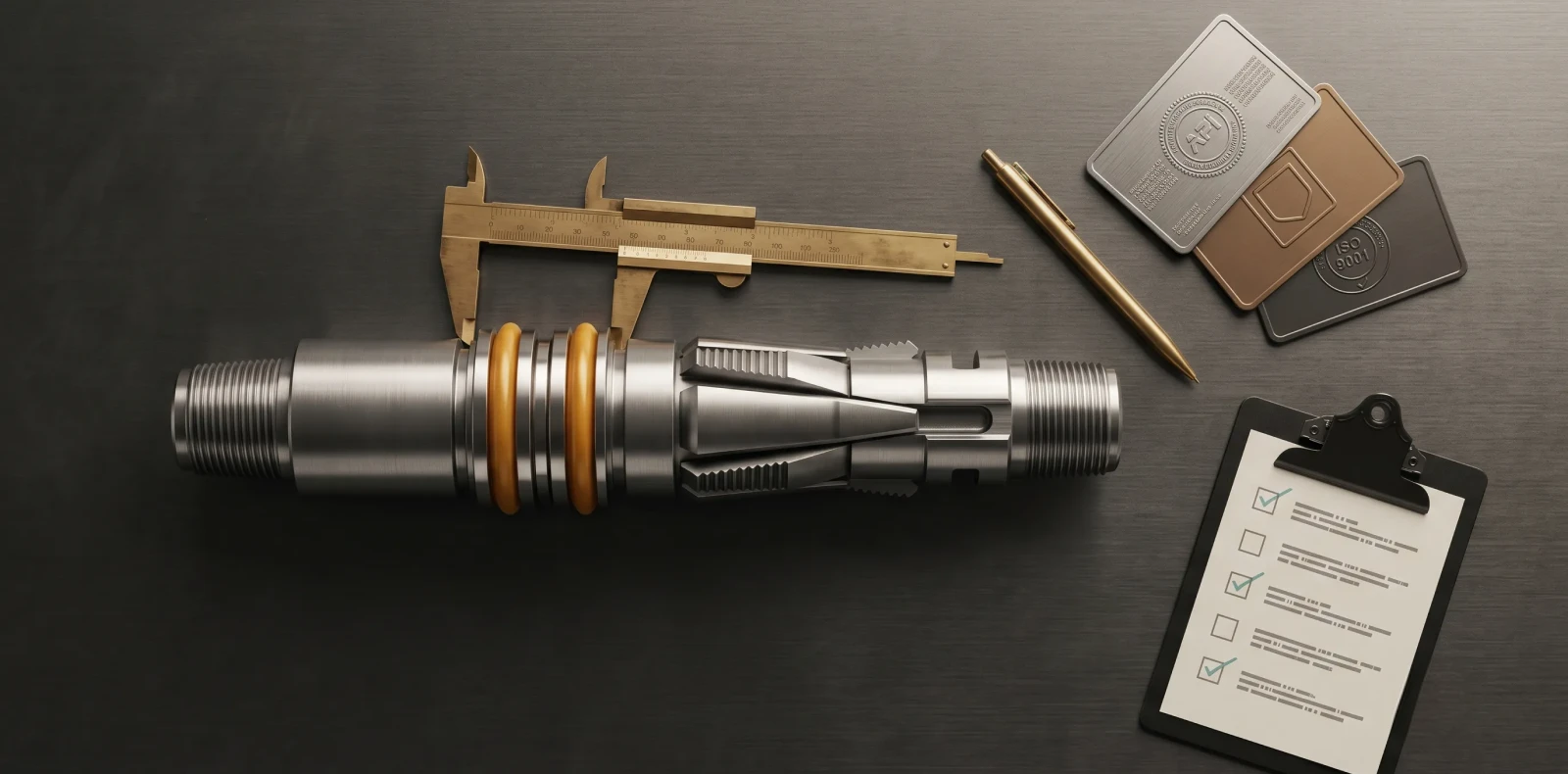
Choosing the wrong oilfield equipment supplier does not just waste procurement budget; it risks downhole failures that cost ten times the equipment price. Knowing how to choose an oilfield equipment supplier means looking past the catalog and the quotation to the evidence that a vendor can actually deliver safety-critical completion equipment. Procurement engineers who get this right treat the decision as risk management, not purchasing
June 6, 2026
Top Downhole Tool Manufacturers & Suppliers 2026 Global Guide
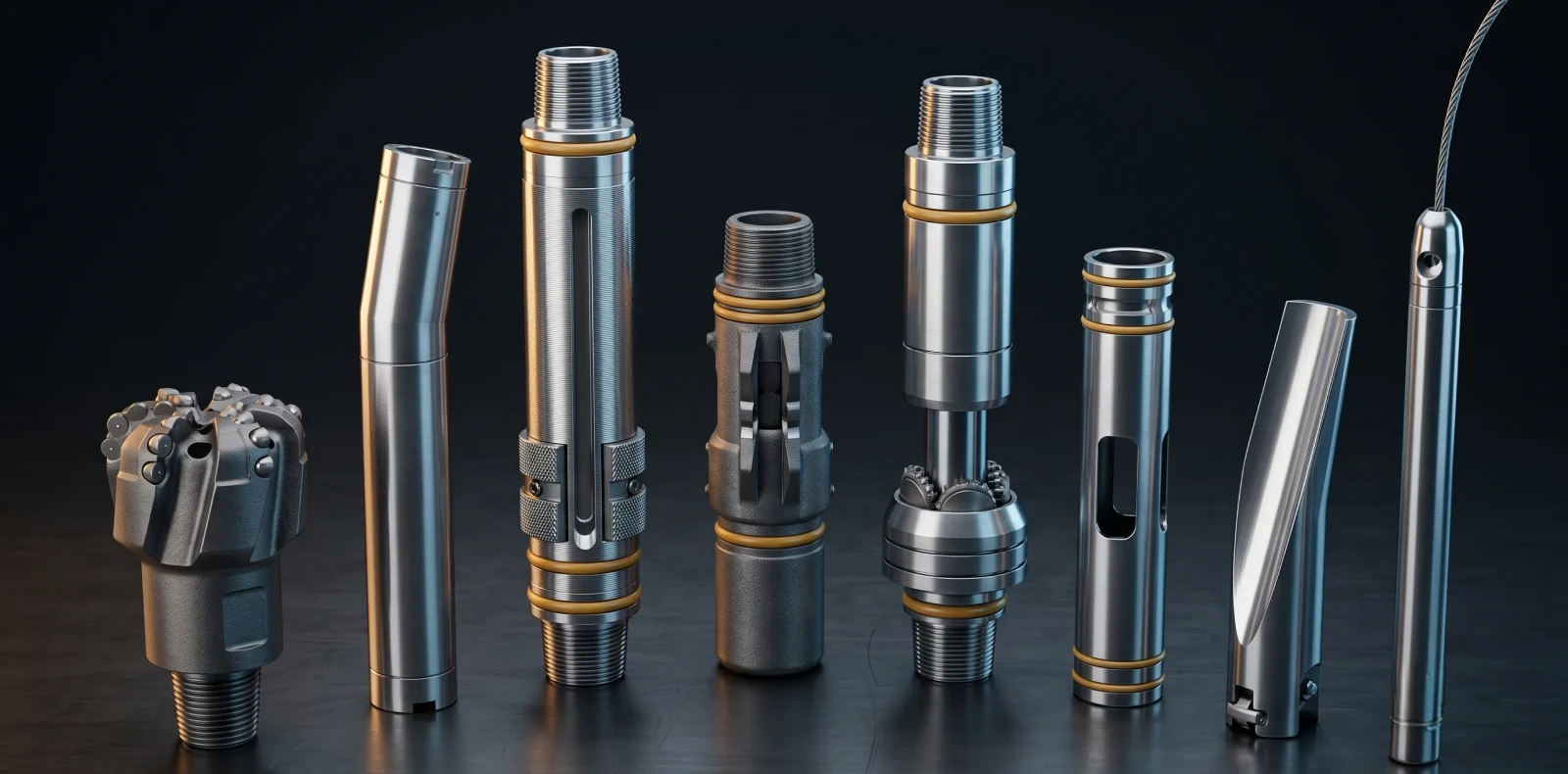
The global downhole tools market exceeds 5 billion US dollars annually, and the list of companies claiming to serve it is far longer than any procurement team has time to vet. This guide narrows the field: it covers how to evaluate a downhole tool manufacturer, then profiles the global majors, the India-based OEMs, and Maximus OIGA — fairly, with real pros and cons, so you can build an RFQ shortlist without months of vendor research.
June 6, 2026