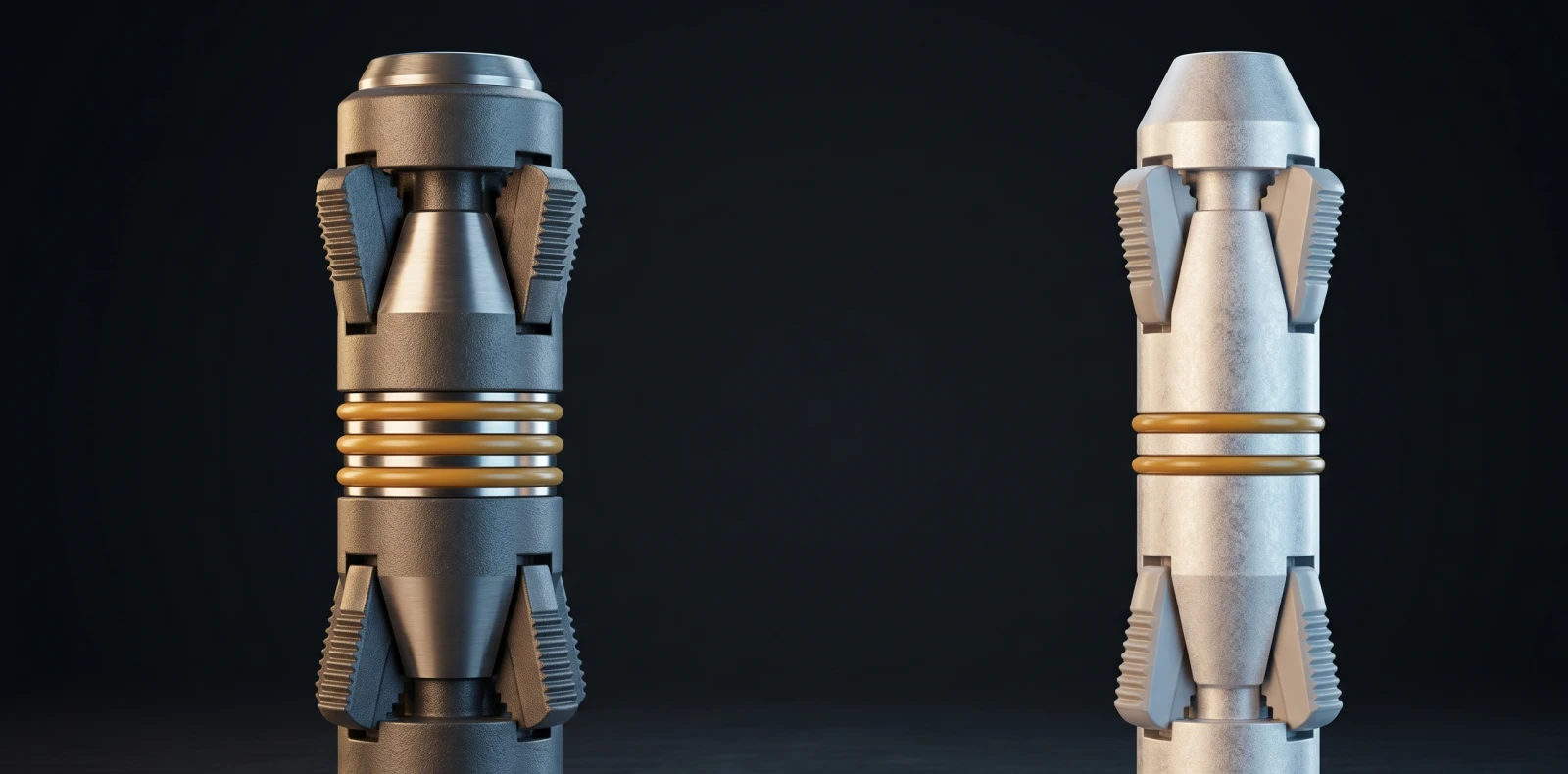
Dissolvable vs Cast Iron Bridge Plug: Future of Well Completion
Published:
Dissolvable frac plugs eliminate the milling pass entirely. Cast iron bridge plugs remain the proven standard for permanent isolation. The right choice for a dissolvable vs cast iron bridge plug decision depends on completion timeline, casing size, pressure-temperature envelope, and whether the well will be permanently abandoned or returned to production. Both technologies have a defensible engineering case — and the wrong assumption can cost rig days or compromise long-term seal integrity.
Dissolvable frac plugs eliminate the milling pass entirely. Cast iron bridge plugs remain the proven standard for permanent isolation. The right choice for a dissolvable vs cast iron bridge plug decision depends on completion timeline, casing size, pressure-temperature envelope, and whether the well will be permanently abandoned or returned to production. Both technologies have a defensible engineering case — and the wrong assumption can cost rig days or compromise long-term seal integrity..
Trust badge bar — API Q1 │ ISO 14310 │ ISO 9001 │ API 11D1 V0
Cast Iron vs Dissolvable Bridge Plug: At-a-Glance Comparison
Cast iron and dissolvable bridge plugs serve different mission profiles. Cast iron plugs sustain 10,000 psi differential with V0 gas-tight validation under API 11D1 — ideal for permanent P&A and HPHT wells. Dissolvable plugs, built from magnesium alloys, sustain 60–90 MPa (8,700–13,000 psi) at 50–180°C and dissolve in formation brine within 9–11 days, removing the milling step.
The table below summarises the engineering trade-offs across eleven criteria a completion engineer evaluates when specifying an isolation tool for a hydraulic fracturing or permanent isolation programme.
| Criterion | Cast Iron Bridge Plug | Dissolvable Bridge Plug |
|---|---|---|
| Material | Cast iron (grey / ductile) with elastomer element | Magnesium alloy (Mg with Al, Zn, rare-earth) with dissolvable elastomer |
| Standard | API 11D1 / ISO 14310, V6–V0 validation grades | No API 11D1 dissolvability standard yet; pressure tested 60–90 MPa |
| Pressure Rating | Up to 10,000 psi differential; V0 gas-tight available | 60–90 MPa (≈8,700–13,000 psi) at rated temperature |
| Temperature Rating | To 300°F+ standard; custom elastomers extend further | 50–180°C (122–356°F) working range; HPHT variants to 120°C+ |
| Casing Size Range | 2-3/8" to 20" | Typically 4-1/2" to 7" (horizontal multi-stage frac) |
| Removal Method | Mill out with rotary or coiled tubing (hours per plug) | Self-dissolution in KCl / formation brine (9–11 days at 90°C) |
| Application Fit | Permanent isolation, P&A, squeeze cementing, HPHT, large bore | Multi-stage hydraulic fracturing (plug-and-perf), extended-reach laterals, time-sensitive completions |
| Debris | Iron cuttings — must be circulated out | Zero debris (full dissolution); negligible residue |
| Cost | Lower per-unit (legacy supply chain) | Higher per-unit (historically 5–10× composite; gap narrowing as Mg-alloy scales) |
| Environmental | Iron debris management; conventional carbon footprint | Up to 91% lower per-well CO₂-equivalent emissions (Stratview Research) |
Cast Iron Bridge Plug: How It Works, Specifications and Where It Wins
How It Works
Full-circle slips grip the casing wall under set force, while pinned cones prevent premature setting in-run. The elastomer element compresses to seal the annulus, and the cast iron body holds differential pressure across the isolated zone. An optional top vent permits drillout pressure equalisation.
Specifications
| Parameter | Cast Iron Bridge Plug |
|---|---|
| Pressure rating | Up to 10,000 psi differential |
| Temperature rating | 300°F+ with standard nitrile (HNBR / FFKM extends range) |
| Casing size range | 2-3/8" to 20" |
| Setting method | Wireline, tubing, or coiled tubing with hydraulic setting tool |
| Standards | API 11D1 4th Ed., ISO 14310, V6–V0 validation grades |
Validation grades range from V6, where no pressure test is required, to V0, the highest gas-tight zero-leak grade. V0 testing under API 11D1 uses gas (not liquid) as the test medium, with two pressure reversals and a minimum 15-minute hold each. This is the documented standard for permanent abandonment.
Pros
Cast iron bridge plugs deliver the highest pressure integrity across the widest casing range, at the lowest per-unit cost, and are convertible to a cement retainer (PCR configuration) for squeeze cementing. Decades of field-verified reliability have established cast iron as the regulatory-accepted standard for lifetime seal integrity.
Cons
Drillout requires hours of milling time per plug. Iron cuttings accumulate in horizontal sections and must be circulated out. The plug is non-retrievable, and intervention typically requires coiled tubing — a significant portion of the completion budget.
Ideal Applications
Permanent well abandonment (P&A); squeeze cementing; HPHT wells; large-bore installations above 9-5/8 inch casing; zonal isolation in vertical wells; long-term wells where retrievability is not required.
GA's cast iron bridge plug solutions are manufactured to API 11D1 V0 in standard configurations across the full 2-3/8 inch to 20 inch casing range.
Dissolvable Bridge Plug: How It Works, Specifications and Where It Wins
Dissolvable bridge plugs are built from magnesium alloys engineered with controlled aluminum, zinc, and rare-earth additions. They hold up to 70 MPa (10,150 psi) at 120°C during fracturing and then fully dissolve in 1–3% KCl brine within 9–11 days — eliminating the milling pass and reducing per-well CO₂-equivalent emissions by up to 91% versus conventional cast iron plugs.
How It Works
The plug body and seal element are manufactured from a magnesium alloy engineered with controlled additions of aluminum, zinc, nickel, copper, and rare-earth elements. The tool is set on wireline or coiled tubing and holds frac pressure during the stimulation stage.
After fracturing, formation brine (KCl or NaCl) acts as an electrolyte and the Mg-alloy dissolves galvanically at a designed rate, controlled by alloy chemistry and downhole temperature. Higher temperature, higher chloride concentration, and lower pH all accelerate dissolution.
Specifications
| Parameter | Dissolvable Bridge Plug (representative) |
|---|---|
| Working pressure | 60–90 MPa (~8,700–13,000 psi) |
| Working temperature | 50–180°C (122–356°F) |
| Dissolution profile | Fully dissolves in 1–3% KCl at 90°C in 9–11 days |
| Tensile strength (soluble material) | Up to 342 MPa (Wiley 2022) |
| Residue | 0.19–0.23 kg cast-iron / ceramic from non-dissolvable internal components |
| Setting method | Wireline or coiled tubing |
Pros
Dissolvable bridge plugs eliminate milling completely. Operators have documented up to 24 days saved per six-well pad in drillout time, enabling extended-reach laterals beyond coiled-tubing milling reach. Zero debris remains in the wellbore.
Environmental performance has become a procurement criterion in itself. Independent industry data shows up to 91% lower CO₂-equivalent emissions per well when dissolvable plugs replace conventional cast iron in multi-stage frac programmes.
Cons
Higher per-unit cost (historically 5–10× composite per Hart Energy 2016, narrowing as Mg-alloy production scales). Dissolution rate is sensitive to actual versus design downhole conditions — risk of premature breakdown if hotter or saltier than designed, or incomplete dissolution if cooler or fresher. No API 11D1 equivalent standard yet exists for dissolvability QC. Temperature and salinity range remain narrower than cast iron's envelope.
Ideal Applications
Multi-stage hydraulic fracturing (plug-and-perf); extended-reach horizontal wells where milling reach is constrained; multiwell pad operations where flowback-to-production speed has economic priority; unconventional shale completions; time-sensitive completions on rate contracts.
Maximus OIGA is the rare dissolvable plug manufacturer that also produces the full cast iron bridge plug range — engineers can specify the right tool for the job from a single qualified source, with batch-tested material test reports shipped with every unit.
Need expert guidance on the right solution?
Talk to our engineers about your project requirements.
Which Is Right for Your Well? A Decision Framework
The seven scenarios below map well-condition signals to a clear recommendation, with the engineering justification a completion engineer needs to defend the choice in a procurement review.
| If Your Well Needs… | Choose | Engineering Justification |
|---|---|---|
| Permanent abandonment (P&A) | Cast Iron | V0 gas-tight validation under API 11D1; regulatory-accepted lifetime seal integrity |
| HPHT operation above 10,000 psi or 300°F | Cast Iron | Pressure-temperature envelope exceeds current Mg-alloy dissolvable capability |
| Large-bore casing above 9-5/8 inch | Cast Iron | Dissolvable products are typically available only up to 7 inch casing |
| Multi-stage horizontal frac, extended laterals | Dissolvable | Eliminates milling pass beyond coiled-tubing reach |
| Multiwell pad — flowback-to-production speed priority | Dissolvable | Up to 24-day pad-level drillout savings |
| Squeeze cementing or zonal abandonment | Cast Iron (PCR variant) | Drillable body plus integrated cementing port; no equivalent dissolvable design |
| Unconventional shale, KCl frac fluid programme | Dissolvable | Formation brine completes dissolution naturally within the post-frac window |
India Market Context
For Indian operators, the choice currently leans toward cast iron. Indian shale gas basins — Cambay, Krishna-Godavari, Cauvery, and the Damodar onland basins — remain at the exploration stage. Conventional E&P (ONGC offshore KG-D6, onshore Cambay) still dominates, and conventional E&P continues to specify cast iron bridge plugs for P&A and HPHT zones. Dissolvable demand is emerging on horizontal unconventional pads as the basin matures.
Frequently Asked Questions
What is the difference between a dissolvable and a cast iron bridge plug?
A cast iron bridge plug is a metal-bodied isolation tool that holds differential pressure permanently or until milled out, manufactured to API 11D1 with V6–V0 validation grades. A dissolvable bridge plug is a magnesium-alloy isolation tool that holds frac pressure during stimulation, then dissolves in formation brine within 9–11 days at 90°C - no milling required. The core trade-off: cast iron is proven, drillable, lower per-unit cost, with a wider pressure-temperature envelope. Dissolvable requires no intervention, enables faster flowback, and is ideal for extended-reach laterals. Maximus OIGA manufactures both, so engineers can specify the right tool from a single qualified source.
Are dissolvable bridge plugs reliable for high-pressure operations?
Yes, within their rated envelope. Modern Mg-alloy dissolvable plugs hold 60–90 MPa (8,700–13,000 psi) at temperatures up to 180°C during the frac stage, with field validation documented at 70 MPa and 120°C (Wiley 2022). Reliability hinges on matching downhole conditions to design conditions - alloy chemistry is engineered to dissolve only after frac completion, not during. Above 10,000 psi differential or above 180°C, cast iron remains the documented choice. No API 11D1 standard for dissolvability QC currently exists, so buyers rely on manufacturer field validation. Maximus OIGA dissolvable bridge plugs are batch-tested and shipped with material test reports for every unit.
What material is a dissolvable frac plug made of?
The body and slips are manufactured from a magnesium alloy engineered with controlled additions of aluminum, zinc, nickel, copper, and rare-earth elements. Some manufacturers use a Mg-Al base with Ni-Cu cladding. Sealing elements are dissolvable elastomer or composite (PGA polyglycolic acid, HNBR variants), sometimes paired with dissolvable ceramic buttons. The dissolution mechanism is galvanic corrosion in chloride brine (KCl or NaCl from formation water or frac fluid), with the rate controlled by alloy composition, heat treatment, temperature, and chloride concentration. Tensile strength of the soluble material reaches 342 MPa (Wiley 2022) - engineered to hold pressure before dissolving.
When should I choose a cast iron bridge plug over a dissolvable plug?
Choose cast iron for permanent well abandonment (P&A) — V0 gas-tight validation is the regulatory-accepted standard for lifetime seal integrity. Choose cast iron for HPHT wells above 10,000 psi or 300°F (149°C), where the pressure-temperature envelope exceeds current dissolvable Mg-alloy capability. Choose cast iron for large-bore installations above 9-5/8 inch casing, where dissolvable products typically max out at 7 inch. Choose cast iron for squeeze cementing operations — the PCR (Pinned Cement Retainer) variant integrates a cementing port, with no equivalent dissolvable design available. Maximus OIGA cast iron bridge plugs are API 11D1 qualified to V0 in standard configurations.
Can dissolvable bridge plugs and cast iron bridge plugs be used in the same well?
Yes — and it is common practice in modern unconventional completions. The typical sequence: dissolvable plugs isolate each frac stage in the horizontal lateral, eliminating per-stage milling, while a cast iron bridge plug is then set as the permanent abandonment barrier at the bottom of the production zone or at top-of-cement. This hybrid approach gives the operator the time savings of dissolvable per-stage and the documented long-term integrity of cast iron at the abandonment depth. Maximus OIGA supplies both technologies, so the full completion stack can be sourced from a single qualified manufacturer.
Discuss Your Well Conditions with a Completion Engineer
For permanent abandonment, HPHT, large-bore, or squeeze cementing applications, specify cast iron. For multi-stage horizontal fracs, extended-reach laterals, and time-sensitive multiwell pads, specify dissolvable. For hybrid completions, specify both.
Maximus OIGA manufactures both cast iron and dissolvable bridge plugs in Vadodara, Gujarat, under API Q1, ISO 9001, and API 11D1 / ISO 14310 certified manufacturing — with 200+ installations across India, the Middle East, and Southeast Asia. We will send specs you can attach directly to your tender.
Related Blogs
More Information
Related News & Insights
Best bridge plug manufacturers in Asia
Thirteen bridge plug manufacturers in Asia — China, India and the UAE — compared on seven points, across drillable, retrievable, composite and dissolvable plug types.
October 20, 2026
Best downhole tool manufacturers in Asia
Fourteen downhole tool makers in Asia — China, India, Indonesia and the UAE — compared on seven points and on which of the six completion-tool families each one builds.
October 20, 2026
API 11D1 vs ISO 14310 - what a V0 rating actually certifies
What a V0 rating really means under API 11D1 and ISO 14310 — and ten checks that take a packer or bridge plug claim from the brochure line to the validation record behind it.
October 20, 2026
Indian downhole completion tool manufacturers compared: API status, plants, catalogue and lead times
Most Indian suppliers list packers, bridge plugs and liner hangers. The harder question is who actually makes the goods, where, and what documents arrive with the order. This comparison puts six Indian downhole tool manufacturers side by side on manufacture, plant location, catalogue breadth, published lead times and the documentation pack, using only what each company publishes about itself.
September 25, 2026
Zonal isolation systems
A bridge plug, a packer, a cement retainer, a straddle packer or a stage cementing collar can each be the right way to isolate an interval in a cased well. Which one depends on where the zone sits, how long the isolation must hold, and whether cement goes through the tool. This guide maps each isolation job to its tool class and its named SpectraMax models, then covers what to specify, how each tool sets and seals, and where each option stops working. It also sets out the records that ship with the order and the lead-time bands by product class, so you can plan the run before the quotation arrives.
September 25, 2026
Casing scrapers
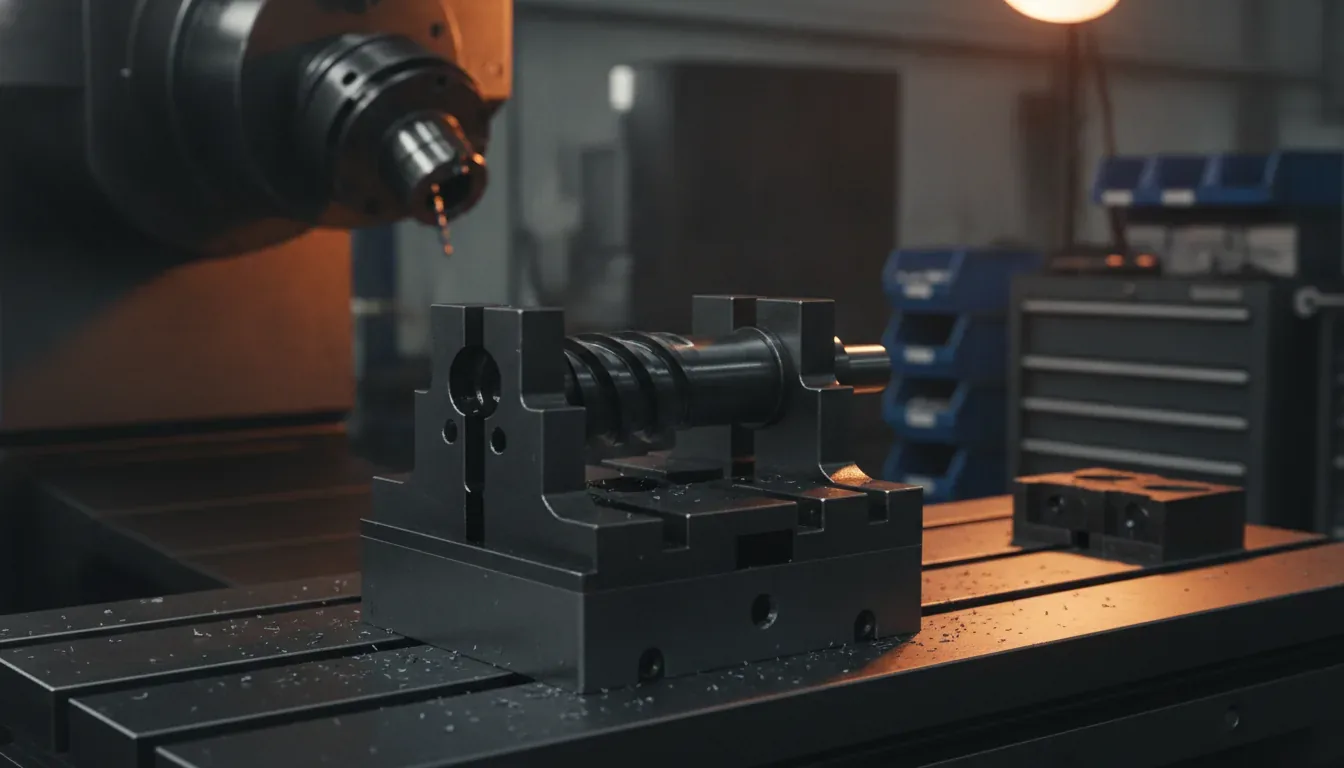
A packer, bridge plug or cement retainer only grips and seals on a clean casing wall, and the scraper that cleans it has to fit your casing on the way down and at depth. This guide covers how a casing scraper cleans, the three main configurations, and how to size one to your casing OD and weight range, with worked ID and drift figures for 5-1/2 in, 7 in and 9-5/8 in casing. It then matches each configuration to its well condition, sets out where every option stops working, and lists the records that should ship with the order.
September 25, 2026
Gas anchors
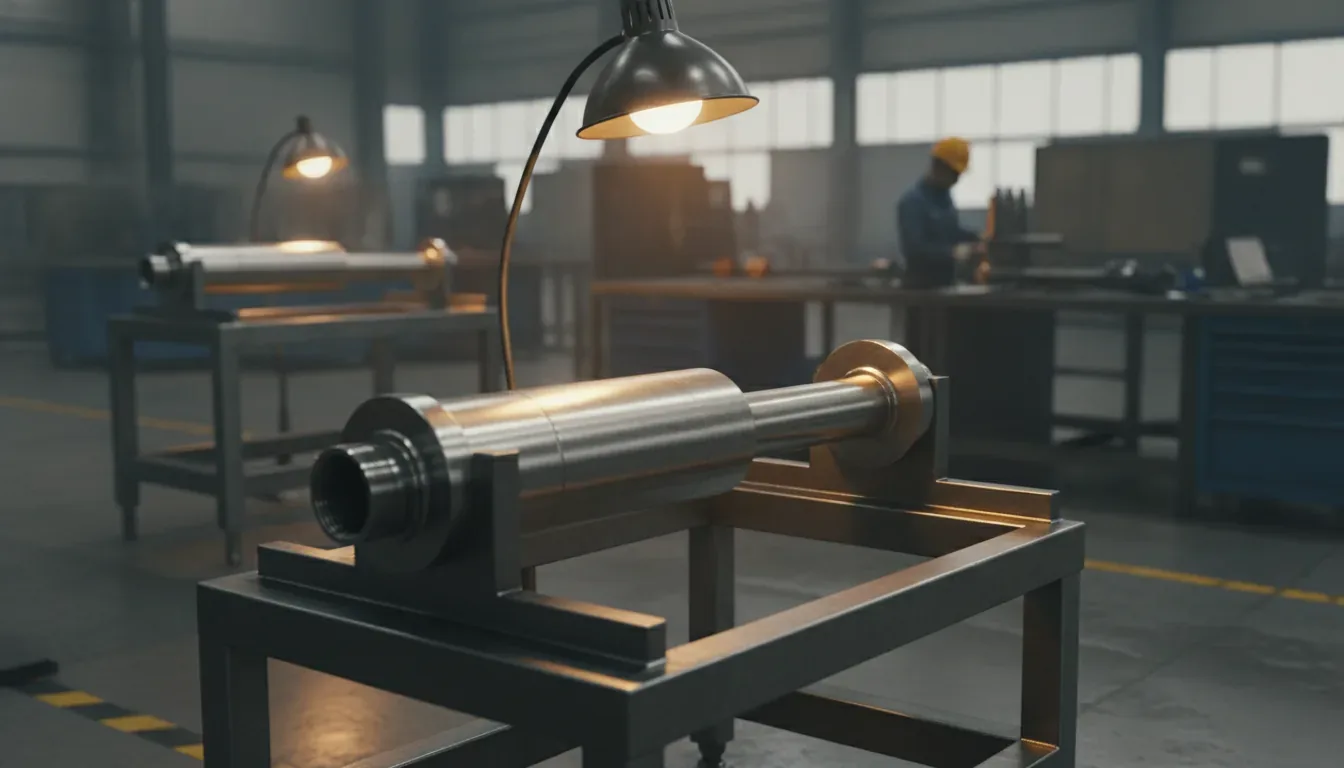
Low fillage, fluid pound or a gas-locked rod pump usually points to the same tool below the pump: a gas anchor. Which configuration fits depends on whether the pump can sit below the perforations, how much liquid it displaces, and whether solids or deviation are in play. This guide works through the four configurations by well condition, then covers the sizing rule, the specifications a quotation has to fix, and where each option stops working. It also sets out the records that should ship with the part and the SpectraMax lead-time bands by product class.
September 25, 2026
Coiled tubing tools
"Coiled tubing tools" covers three different things: the surface spread, the intervention bottom-hole assembly, and the completion tools coiled tubing conveys and sets. Only the third group is manufactured completion equipment, and it is the group this page is about. It covers what conveyance changes about the tool itself, which of the three families (bridge plug, cement retainer, packer) suits which job, and the six inputs a supplier needs to quote one. It also sets out where each option stops, the records to ask any supplier for, and the lead-time bands by product class.
September 21, 2026
Saudi Aramco vendor registration for completion equipment suppliers
Saudi Aramco vendor registration is a prequalification on Aramco's e-Marketplace that ends in a Vendor ID, and being registered is not the same as being qualified. This guide walks the out-of-Kingdom route for a completion equipment manufacturer: how Aramco weighs financial strength, technical qualification and IKTVA local content, and which documents an international supplier actually files instead of the Saudi statutory set. It also sets out what a manufacturer can carry for your submission, what stays with you, and the records to ask any supplier for before a purchase order.
September 21, 2026
ONGC vendor registration for downhole tool suppliers: the actual sequence
Selling downhole tools to ONGC starts with a commercial gate, not the technical bid: you complete supplier self-registration on ONGC e-Procurement, get a bidder User-ID, then finish vendor enlistment before you can bid on a single tender. This guide walks the actual sequence, the documents an Indian or overseas applicant submits, how ONGC weighs a bid once local content is applied, and a realistic timeline. It is honest about what a manufacturer can and cannot do for your bid, and what to ask any supplier for in writing.
September 21, 2026