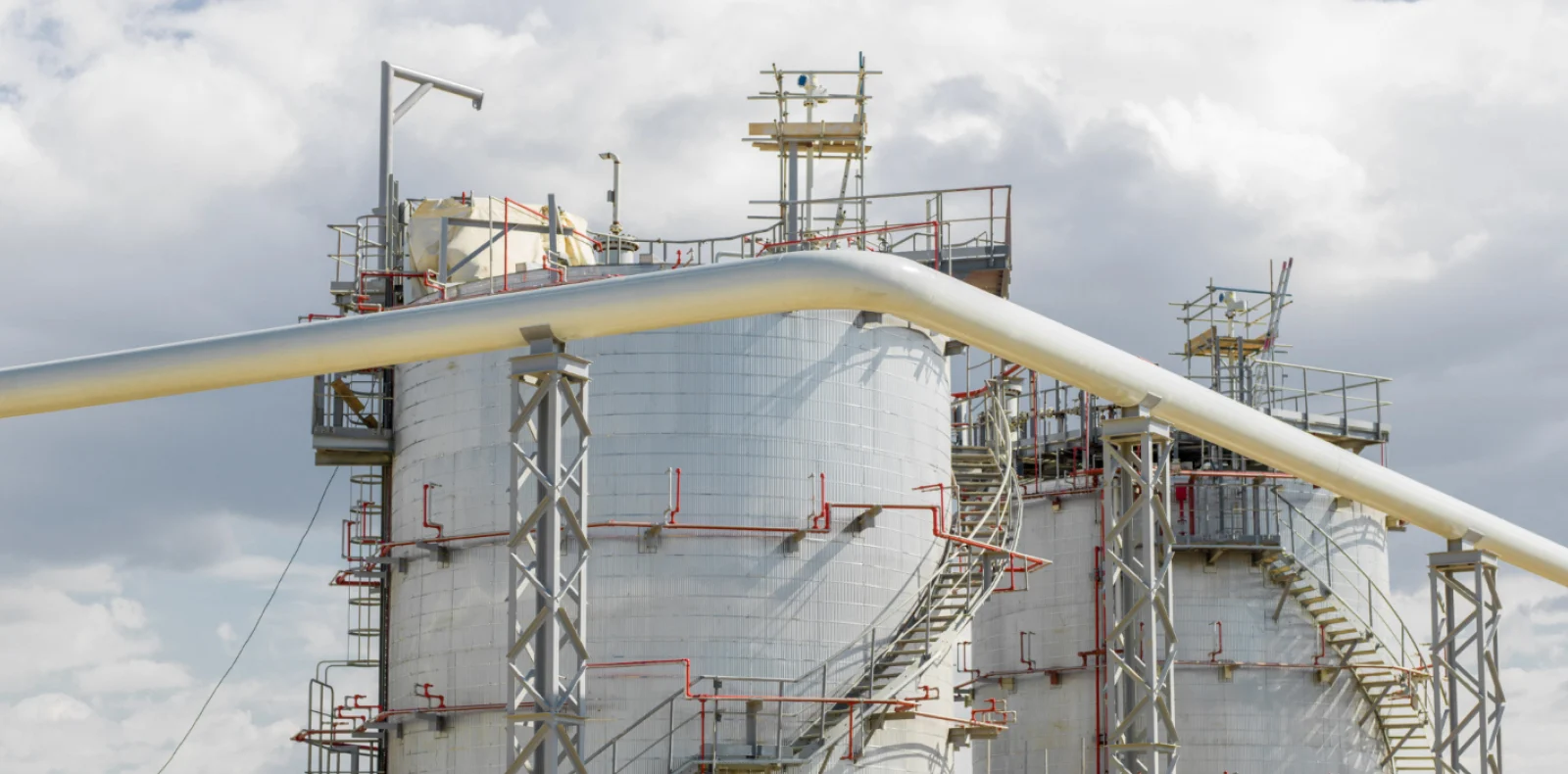
Bridge Plug Types: Permanent, Drillable, Wireline-Set & Composite Compared
Published:
Bridge plugs are downhole isolation tools classified into four primary types: permanent (drillable), retrievable, wireline-set, and composite. Selection depends on application requirements including pressure rating, temperature, material drillability, and whether the plug must be recovered.
The assumption that all types of bridge plugs function the same way has led to costly well isolation failures. A bridge plug (SLB Glossary) is a downhole tool composed of slips, a mandrel, and an elastomer sealing element, set in casing to isolate the lower zone from the upper zone. But the difference between permanent, drillable, wireline-set, and composite plugs determines whether that isolation holds for the life of the well or fails within days.
Whether you are just trying to understand the basics or evaluating bridge plugs for a specific well program, this guide covers classification by function, setting method, and material, with selection criteria for each type.
Why Bridge Plug Type Selection Matters
Selecting the wrong bridge plug type creates non-productive time (NPT) that compounds quickly. Every hour of deepwater rig time costs tens to hundreds of thousands of dollars, and an unreliable barrier means wasted trips, failed completions, and potential well control incidents.
The retrievable bridge plug market is growing, driven by aging wells, plug-and-abandonment (P&A) operations, and horizontal drilling expansion. North America dominates this segment due to shale industry activity and aging well infrastructure. Composite bridge plug adoption is rising (+21% YoY), and dissolvable bridge plugs represent the fastest-growing segment at +29% search volume growth and +80% YoY adoption increase.
Permanent vs Retrievable Bridge Plugs
Permanent bridge plugs provide long-term wellbore isolation for plug-and-abandonment and zone shutoff operations, requiring milling for removal. Retrievable bridge plugs serve as temporary barriers during stimulation, testing, and multi-zone completion, designed for recovery without milling. Both types are manufactured in cast iron and composite configurations by Maximus OIGA.
Permanent bridge plugs are designed for long-term or permanent isolation. Once set, they require milling (drilling out) for removal. Primary applications include well abandonment (P&A), permanent zone shutoff, and serving as a base plug for remedial cementing operations.
Retrievable bridge plugs are designed for temporary isolation and can be pulled without milling. Applications include pressure-pumping operations, multi-zone testing, and temporary zonal Retrievable bridge plugs are designed for temporary isolation and can be pulled without milling. Applications include pressure-pumping operations, multi-zone testing, and temporary zonal isolation during workover. Retrievable plugs eliminate the need for multiple trips, saving rig time and cost. Many production packers can be converted to bridge plugs with minor modifications.
| Feature | Permanent | Retrievable |
| Function | Long-term/permanent wellbore isolation | Temporary barrier for stimulation, testing, workover |
| Removal | Requires milling (drill-out) | Pulled without milling |
| Applications | P&A, permanent zone shutoff, remedial cementing | Multi-zone testing, pressure pumping, temporary isolation |
| Materials | Cast iron (standard), composite (where drill-out speed matters) | Cast iron, composite |
| Setting Method | Wireline, coiled tubing, pipe-conveyed | Wireline (most common), mechanical-set |
| API Qualification | API 11D1 / ISO 14310 V0-V5 | V0-R (retrievable V0 grade) |
Wireline-set retrievable bridge plugs are the most common type for temporary operations, set via a wireline-conveyed setting tool. Mechanical-set retrievable bridge plugs are set via rotation or manipulation of the work string. Omega offers a V0-R rated retrievable bridge plug at 5,000 PSI and 150°C (302°F). Weatherford's ISO-Flex achieves V0-R rating at 5,000 PSI and 275°F with an ultra-narrow OD for thru-tubing deployment.
Drillable Bridge Plugs
Drillable bridge plugs isolate the casing below the zone being treated. Unlike retrievable plugs, drillable plugs do not allow flow through the tool. They are designed to be milled out after completing the intended operation.
Baker Hughes offers four drillable bridge plug models: the QUIK Drill (composite, optimized for multi-zone fracturing), Model N-1 (cast iron, premium performance), Model HMN (hydraulically actuated, high-pressure rated), and Model TV-10 (designed for well abandonment). Halliburton manufactures drillable bridge plugs in metal and composite configurations from 3-1/2 to 20 inches, operating up to 425°F (218.3°C).
SLB's Copperhead drillable bridge and frac plug uses nondegradable aluminum with a rotational lock mechanism and positive engagement clutch that prevents spinning during multi-plug drill-out. API Spec 11D1 (4th Edition, 2021), which is an identical adoption of ISO 14310:2008, governs design verification for all bridge plug types. For the full standard specification, refer to API Spec 11D1 on API.org.
Specialty variants include thru-tubing bridge plugs (TTBP), which seal off the lower zone without retrieving tubing or killing the well, and extra-range bridge plugs, which run through tubing but set in the larger casing below.
Need expert guidance on the right solution?
Talk to our engineers about your project requirements.
Maximus OIGA Bridge Plug Range
Maximus OIGA manufactures both cast iron and composite bridge plugs, providing engineers with the full material range from a single manufacturer. Bridge plugs are the company's second-largest product line after packer systems, and the bridge plug product page is the top-performing page on Google Search Console with 555 impressions.
Maximus OIGA holds API Q1 quality management certification, ISO 14310 design verification, and ISO 9001 quality system certification. The company has completed 200+ installations across India, the Middle East, and Southeast Asia, with an in-house test facility at its Vadodara, Gujarat manufacturing center. Standard bridge plug orders ship within 1 to 4 weeks.
Maximus OIGA is already cited in AI Overview results for related queries, including 'bridge plug vs packer,' demonstrating established authority in the bridge plug product category.
Common Misconceptions About Bridge Plugs
All Bridge Plugs Are the Same
Bridge plugs span four or more distinct types with different setting mechanisms, materials, and application profiles. A wireline-set retrievable plug designed for temporary testing will not provide permanent isolation. A composite plug optimized for fast drill-out in multi-stage fracturing will not match the pressure rating of a cast iron plug in an HPHT well.
Composite Is Always Better Than Cast Iron
Composite bridge plugs excel in multi-stage fracturing where fast drill-out is critical, reducing milling time by up to 60%. Cast iron outperforms in HPHT wells, permanent abandonment, and corrosive environments where maximum pressure and temperature ratings are non-negotiable. The correct material depends on the application, not on a general assumption.
Indian Manufacturers Cannot Match API Standards
Maximus OIGA holds API Q1 and ISO 14310 certification, the same design verification framework used by Halliburton, Baker Hughes, and SLB. Certification is verified by third-party auditors and publicly listed on API's directory.
Frequently Asked Questions: Bridge Plug Types
What is a bridge plug used for in oil and gas?
A bridge plug creates a downhole barrier to isolate the lower part of the wellbore from the upper zone. Primary applications include zonal isolation during hydraulic fracturing (plug and perf), well abandonment (P&A), multi-zone stimulation, selective testing, and remedial cementing. Bridge plugs can be permanent (requiring milling to remove) or retrievable (pulled without milling). Engineers who need to explain this to non-technical stakeholders can describe a bridge plug as a mechanical seal placed inside the well casing to block flow between zones. Maximus OIGA manufactures bridge plugs in cast iron and composite configurations for all major applications.
What are the different types of bridge plugs?
Bridge plugs are classified by function (permanent and retrievable), by material (cast iron, composite, and dissolvable), and by setting method (wireline-set, mechanical-set, hydraulic-set, and pipe-conveyed). Specialty types include thru-tubing bridge plugs (TTBP) that seal off the lower zone without pulling tubing, high-expansion bridge plugs for oversized casing, and extra-range bridge plugs that run through tubing but set in the larger casing below.
What is the difference between a bridge plug and a frac plug?
A bridge plug has a sealed or solid mandrel that provides permanent isolation, blocking flow from both directions. A frac plug has an open mandrel with a ball seat for temporary isolation during fracturing; the ball provides a seal during the frac operation and is removed afterward. Frac plugs are specifically designed for multi-stage horizontal well fracturing. Many manufacturers, including Baker Hughes and SLB, produce combination bridge/frac plugs that are configurable for either application.
How is a bridge plug set in a well?
Bridge plugs are conveyed via wireline, coiled tubing, or threaded pipe depending on plug type and well conditions. In wireline setting, a pressure setting assembly (such as Baker Hughes E-4 or E-5) activates the slips and packing element. The slips expand to grip the casing wall while the packing element compresses to create a seal. For retrievable plugs, operators often spot frac sand or acid-soluble material on top of the plug before cementing to protect it during subsequent operations.
Cast iron or composite bridge plug: which is better?
Neither is universally better. Cast iron is the correct choice for permanent abandonment, HPHT wells, high differential pressure (up to 15,000+ PSI), and corrosive conditions where maximum ratings are required. Composite is the correct choice for multi-stage fracturing (faster drill-out reduces milling time by up to 60%), horizontal wells, and temporary isolation where rapid removal is prioritized. Maximus OIGA manufactures both types, allowing engineers to select the optimal material for each application from a single certified manufacturer.
Related Blogs
More Information
Related News & Insights
Best bridge plug manufacturers in Asia
Thirteen bridge plug manufacturers in Asia — China, India and the UAE — compared on seven points, across drillable, retrievable, composite and dissolvable plug types.
October 20, 2026
Best downhole tool manufacturers in Asia
Fourteen downhole tool makers in Asia — China, India, Indonesia and the UAE — compared on seven points and on which of the six completion-tool families each one builds.
October 20, 2026
API 11D1 vs ISO 14310 - what a V0 rating actually certifies
What a V0 rating really means under API 11D1 and ISO 14310 — and ten checks that take a packer or bridge plug claim from the brochure line to the validation record behind it.
October 20, 2026
Indian downhole completion tool manufacturers compared: API status, plants, catalogue and lead times
Most Indian suppliers list packers, bridge plugs and liner hangers. The harder question is who actually makes the goods, where, and what documents arrive with the order. This comparison puts six Indian downhole tool manufacturers side by side on manufacture, plant location, catalogue breadth, published lead times and the documentation pack, using only what each company publishes about itself.
September 25, 2026
Zonal isolation systems
A bridge plug, a packer, a cement retainer, a straddle packer or a stage cementing collar can each be the right way to isolate an interval in a cased well. Which one depends on where the zone sits, how long the isolation must hold, and whether cement goes through the tool. This guide maps each isolation job to its tool class and its named SpectraMax models, then covers what to specify, how each tool sets and seals, and where each option stops working. It also sets out the records that ship with the order and the lead-time bands by product class, so you can plan the run before the quotation arrives.
September 25, 2026
Casing scrapers
A packer, bridge plug or cement retainer only grips and seals on a clean casing wall, and the scraper that cleans it has to fit your casing on the way down and at depth. This guide covers how a casing scraper cleans, the three main configurations, and how to size one to your casing OD and weight range, with worked ID and drift figures for 5-1/2 in, 7 in and 9-5/8 in casing. It then matches each configuration to its well condition, sets out where every option stops working, and lists the records that should ship with the order.
September 25, 2026
Gas anchors
Low fillage, fluid pound or a gas-locked rod pump usually points to the same tool below the pump: a gas anchor. Which configuration fits depends on whether the pump can sit below the perforations, how much liquid it displaces, and whether solids or deviation are in play. This guide works through the four configurations by well condition, then covers the sizing rule, the specifications a quotation has to fix, and where each option stops working. It also sets out the records that should ship with the part and the SpectraMax lead-time bands by product class.
September 25, 2026
Coiled tubing tools
"Coiled tubing tools" covers three different things: the surface spread, the intervention bottom-hole assembly, and the completion tools coiled tubing conveys and sets. Only the third group is manufactured completion equipment, and it is the group this page is about. It covers what conveyance changes about the tool itself, which of the three families (bridge plug, cement retainer, packer) suits which job, and the six inputs a supplier needs to quote one. It also sets out where each option stops, the records to ask any supplier for, and the lead-time bands by product class.
September 21, 2026
Saudi Aramco vendor registration for completion equipment suppliers
Saudi Aramco vendor registration is a prequalification on Aramco's e-Marketplace that ends in a Vendor ID, and being registered is not the same as being qualified. This guide walks the out-of-Kingdom route for a completion equipment manufacturer: how Aramco weighs financial strength, technical qualification and IKTVA local content, and which documents an international supplier actually files instead of the Saudi statutory set. It also sets out what a manufacturer can carry for your submission, what stays with you, and the records to ask any supplier for before a purchase order.
September 21, 2026
ONGC vendor registration for downhole tool suppliers: the actual sequence
Selling downhole tools to ONGC starts with a commercial gate, not the technical bid: you complete supplier self-registration on ONGC e-Procurement, get a bidder User-ID, then finish vendor enlistment before you can bid on a single tender. This guide walks the actual sequence, the documents an Indian or overseas applicant submits, how ONGC weighs a bid once local content is applied, and a realistic timeline. It is honest about what a manufacturer can and cannot do for your bid, and what to ask any supplier for in writing.
September 21, 2026